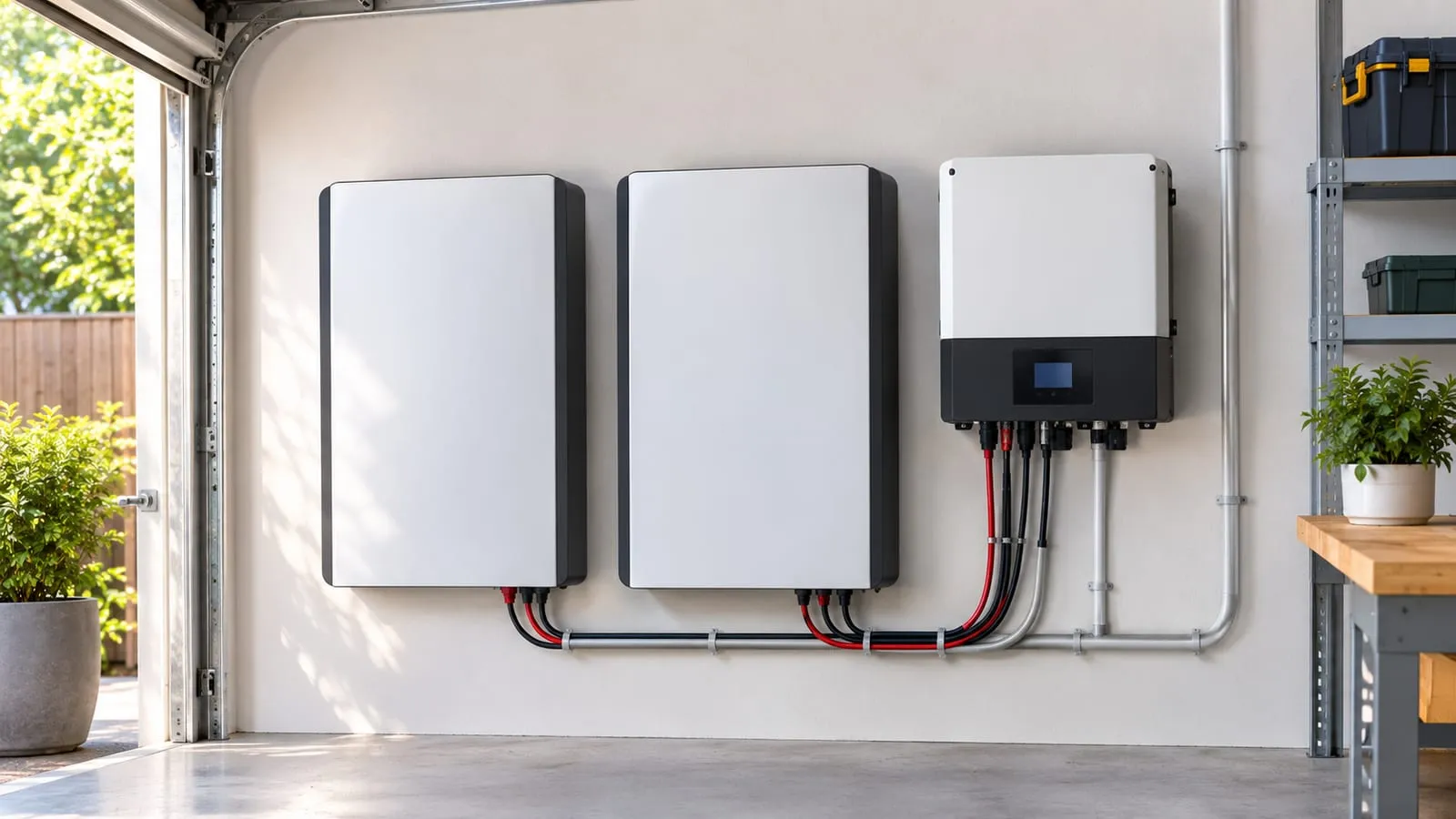
Short answer: There is no fixed number. A 5 kVA inverter can run on one battery or twenty — what decides it is the energy you need (kWh), not the inverter. Use: battery kWh = average load (kW) × backup hours ÷ usable depth of discharge ÷ inverter efficiency. For a 1.5 kW average load over 6 hours that is about 10 kWh, i.e. two 5.12 kWh LiFePO4 batteries.
Step 1 — know what the inverter can really deliver
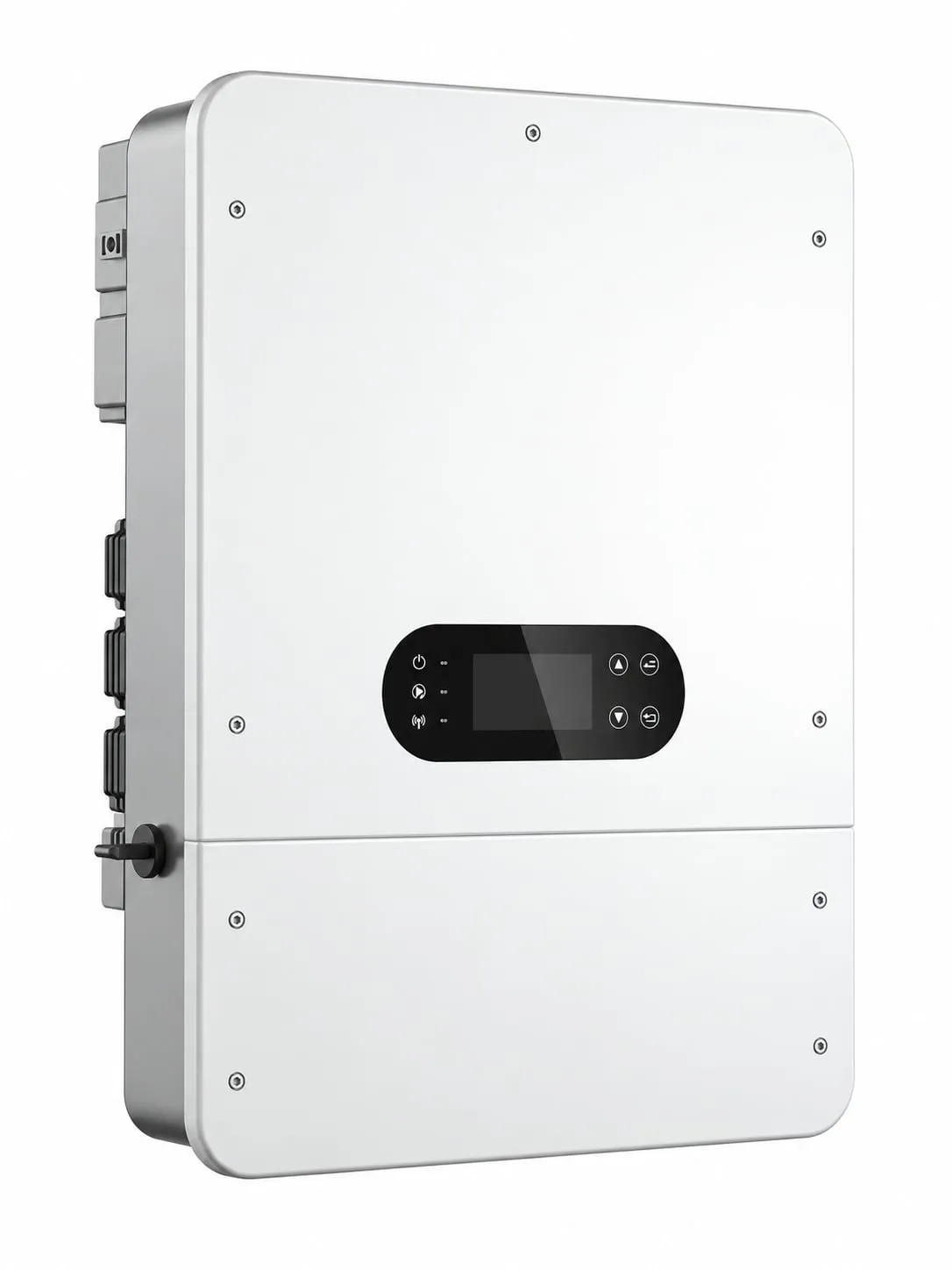
kVA is apparent power. A 5 kVA inverter at a power factor of 0.8 delivers about 4 kW. Many hybrid inverters are rated directly in kW — read the datasheet for the continuous rating and the surge rating.
Step 2 — work out your energy need
| Load | Power (typical) | Hours | Energy |
|---|---|---|---|
| Lights (LED, 10 pcs) | 0.1 kW | 6 | 0.6 kWh |
| Fridge | 0.15 kW average | 6 | 0.9 kWh |
| TV + router | 0.15 kW | 6 | 0.9 kWh |
| Fans (4) | 0.2 kW | 6 | 1.2 kWh |
| Washing machine / pump (short) | 1 kW | 1 | 1 kWh |
| Total | about 4.6 kWh |
Replace these with the labels on your own appliances.
Step 3 — convert to battery size
Example: 4.6 kWh needed, 90 % usable depth of discharge (LiFePO4), 95 % inverter efficiency.
4.6 ÷ 0.9 ÷ 0.95 ≈ 5.4 kWh → one 5.12 kWh battery is slightly short; two give margin and a longer life.
Lithium vs lead-acid for the same job
| LiFePO4 (48 V / 51.2 V) | Lead-acid (4 × 12 V in series) | |
|---|---|---|
| Usable depth of discharge | about 80–95 % | about 50 % for a long life |
| Nominal kWh needed for 4.6 kWh usable | about 5.4 kWh | about 9–10 kWh |
| Example bank | 1–2 × 5.12 kWh | 4 × 12 V 200 Ah = 9.6 kWh nominal |
Example B: an overnight shop load
A small shop must run lights, two fridges, a TV and a router overnight (12 hours), and wants the inverter to handle a 1 kW pump in the morning.
| Item | Power | Hours | Energy |
|---|---|---|---|
| LED lights | 0.15 kW | 12 | 1.8 kWh |
| Two fridges (average) | 0.3 kW | 12 | 3.6 kWh |
| TV + router | 0.15 kW | 12 | 1.8 kWh |
| Total | 7.2 kWh |
Battery needed (LiFePO4): 7.2 ÷ 0.9 ÷ 0.95 ≈ 8.4 kWh → two 5.12 kWh batteries in parallel (10.24 kWh) give margin for ageing.
The same job with lead-acid
Lead-acid should not be discharged below about 50 % if you want it to last, so the nominal capacity must be roughly double: 7.2 ÷ 0.5 ÷ 0.95 ≈ 15 kWh.
- Using 12 V 200 Ah batteries (2.4 kWh nominal each) you need about six or seven of them, in a 48 V arrangement of series strings put in parallel.
- Add space, ventilation and watering for flooded types, and plan for replacement within a few years of daily cycling.
How many can I put in parallel?
Parallel connection raises capacity but also current. Before planning a big bank check:
- The battery maker’s limit for parallel units (often a number such as 8 or 16 for low-voltage batteries).
- The inverter’s maximum charge and discharge current: a 5 kVA, 48 V inverter can draw around 100 A.
- Cable length and cross-section: equal-length cables to each battery keep them sharing current evenly.
- Mixed ages: do not put an old battery in parallel with a new one.
Recharging: do the panels match?
A bank is only useful if the sun can refill it. For the 8.4 kWh example you need roughly 8.4 ÷ 0.9 ≈ 9.3 kWh of solar into the battery per day, on top of the daytime loads. With around 4–5 peak sun hours that is about 2.5–3.5 kW of panels, more if the shop also runs loads in the daytime.
Common mistakes
- Using nominal battery kWh for a lead-acid bank as if it were usable.
- Adding a second battery of a different model or age to “just add capacity”.
- Forgetting that a 5 kVA inverter is about 4 kW, then adding a heavy load such as an air conditioner on top.
- Not checking the inverter’s maximum battery charge current: a very large bank will charge slowly if it is limited.
Related reading: 3 kVA vs 5 kVA vs 10 kVA: which size and how to size a battery bank.
Do not forget
- Surge: a pump or air conditioner can draw several times its running power for a moment. Check the inverter surge rating.
- Charging: panels must be able to refill the battery. 5 kWh per day needs roughly 1.5–2 kW of PV in good sun.
- Voltage: the inverter’s battery voltage (usually 48 V) decides how batteries connect.
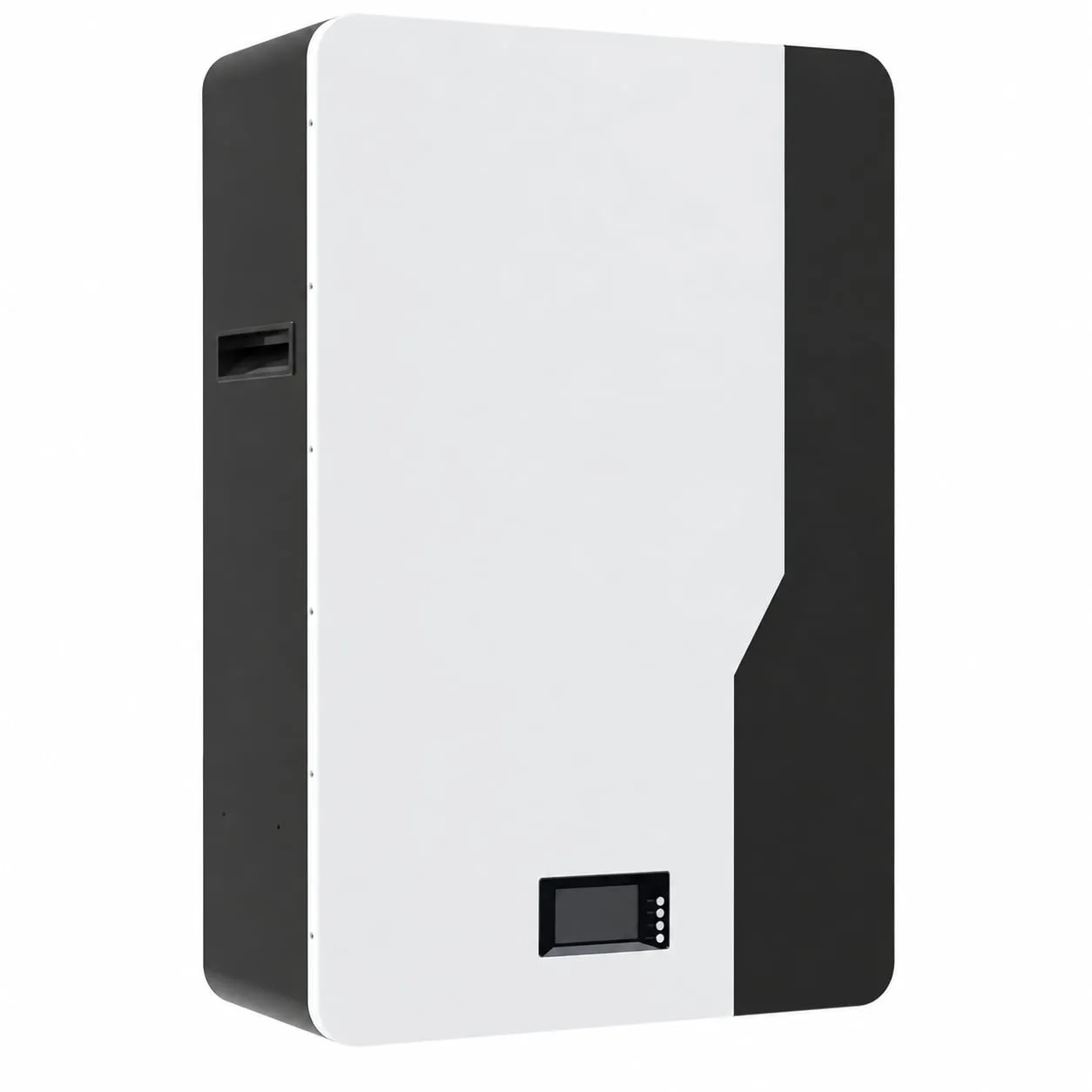
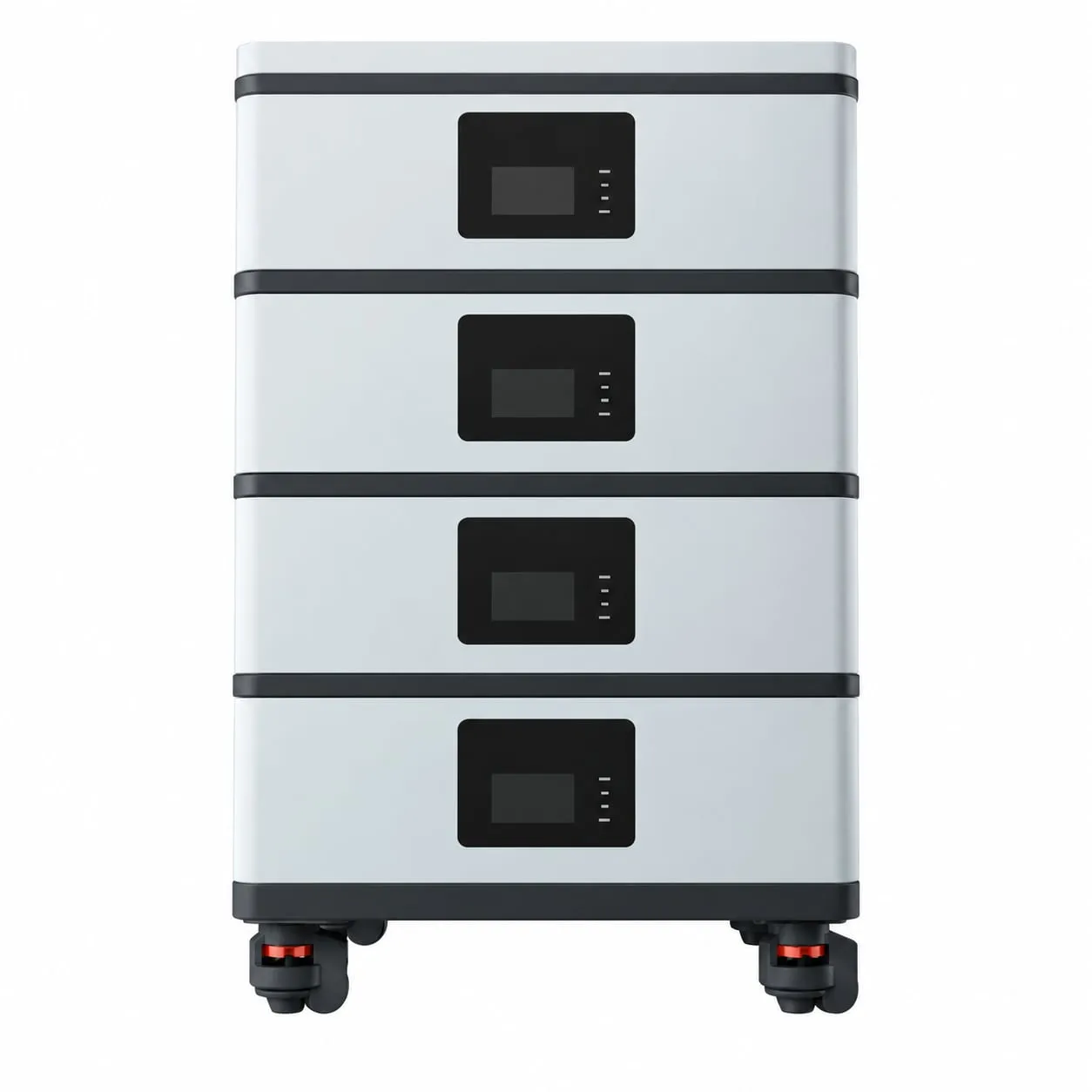
See our wall-mounted and stackable 48 V batteries, or use the battery backup calculator.