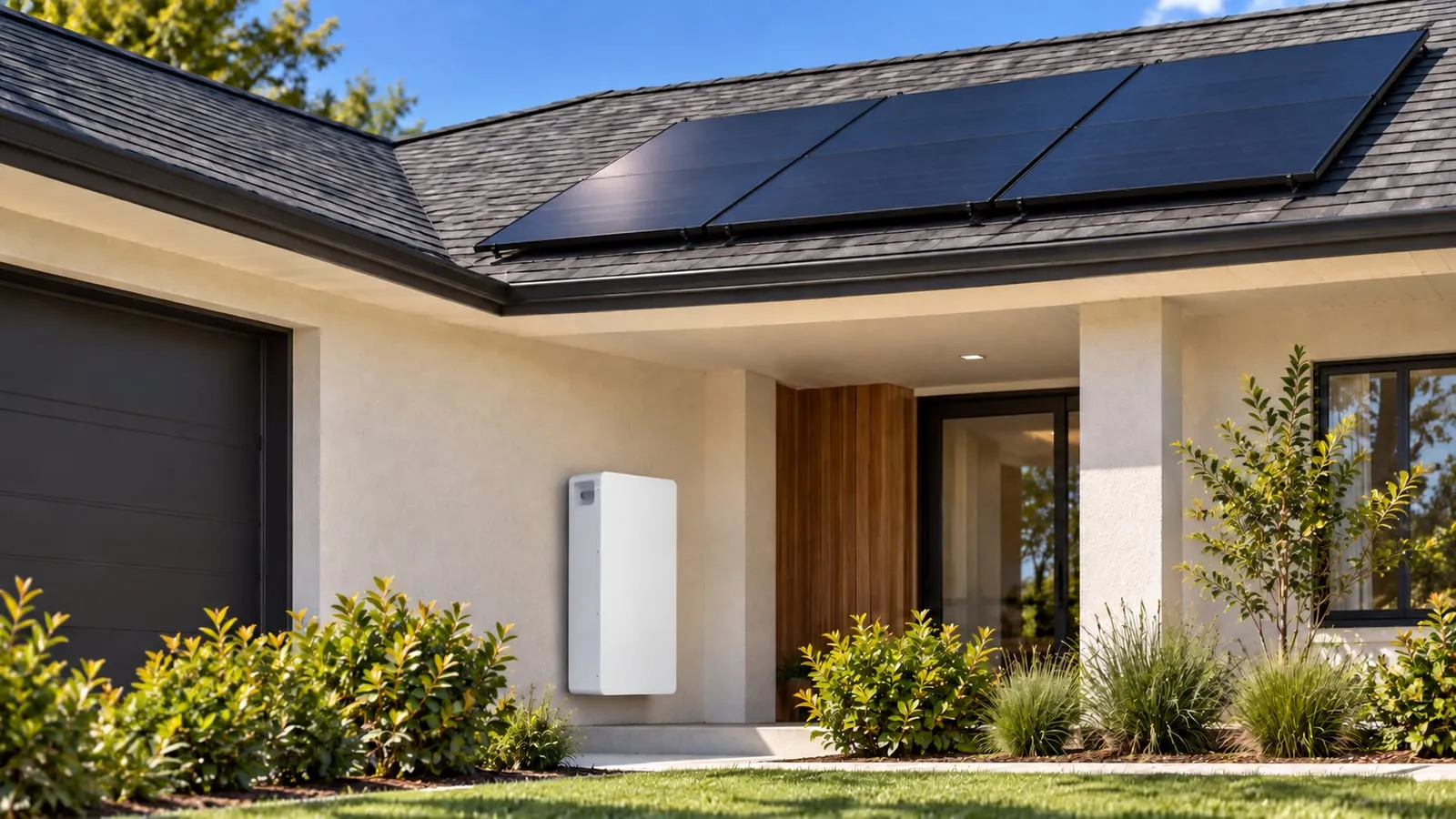
Short answer: A home solar battery system pairs PV modules, a hybrid inverter and a LiFePO4 battery. The inverter is sized from the loads you need during an outage, the battery from how long outages last, and the solar array from your daily consumption. We supply all three as a matched set with wiring diagrams for your local installer.
Who this is for
Households and small shops that lose power regularly — load shedding in Southern Africa, unreliable feeders in West Africa and parts of Southeast Asia — or that pay high evening tariffs. The goal is usually one of two things: keep essential loads running through outages, or use more of your own solar after sunset. Most homes want both.
The three parts
| Part | What it does | What sets its size |
|---|---|---|
| PV modules | Generate DC power on the roof | Daily kWh use and roof area |
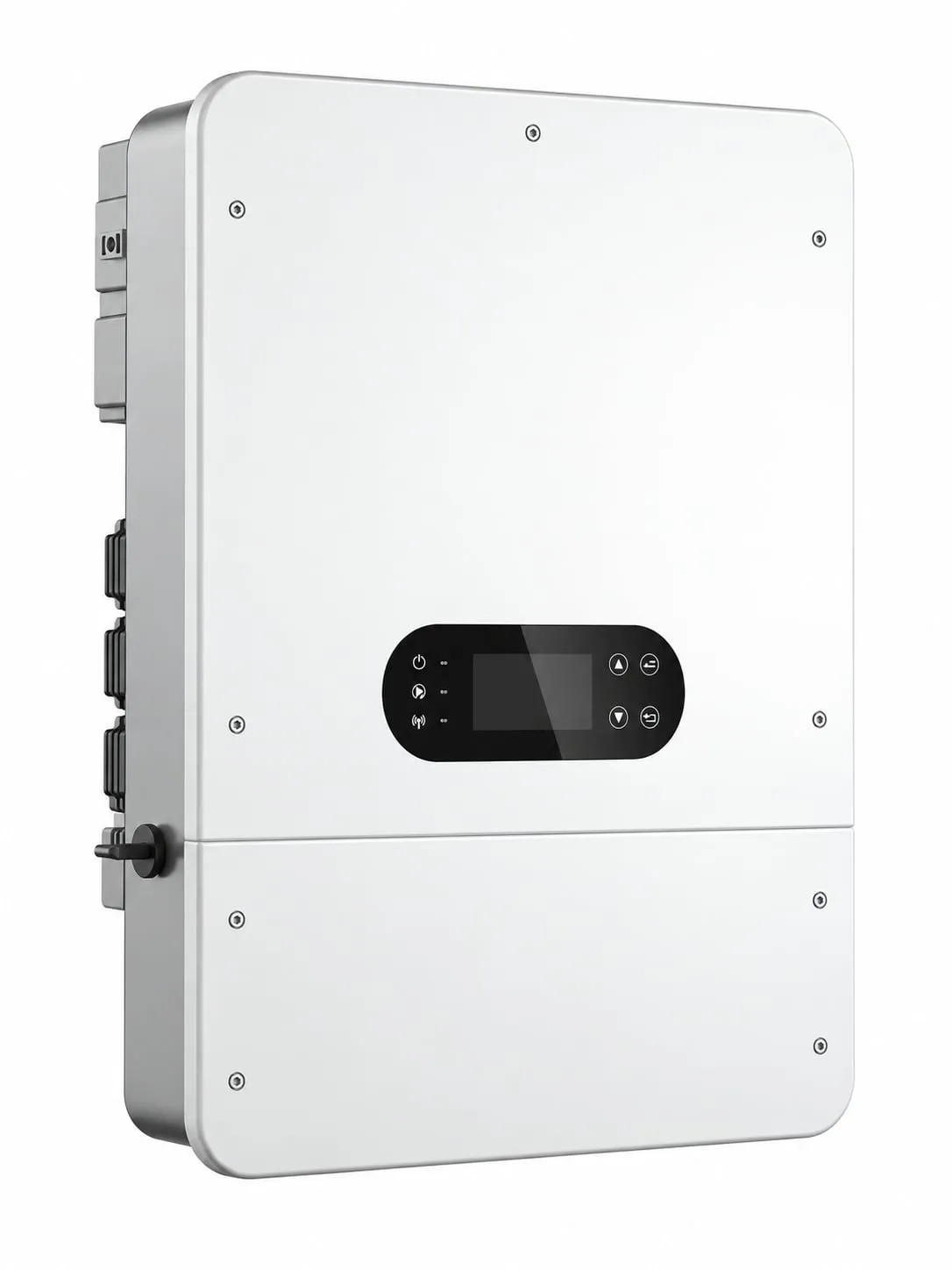
| Hybrid inverter | Manages solar, battery, grid and loads; switches to backup | Peak power of backup loads |
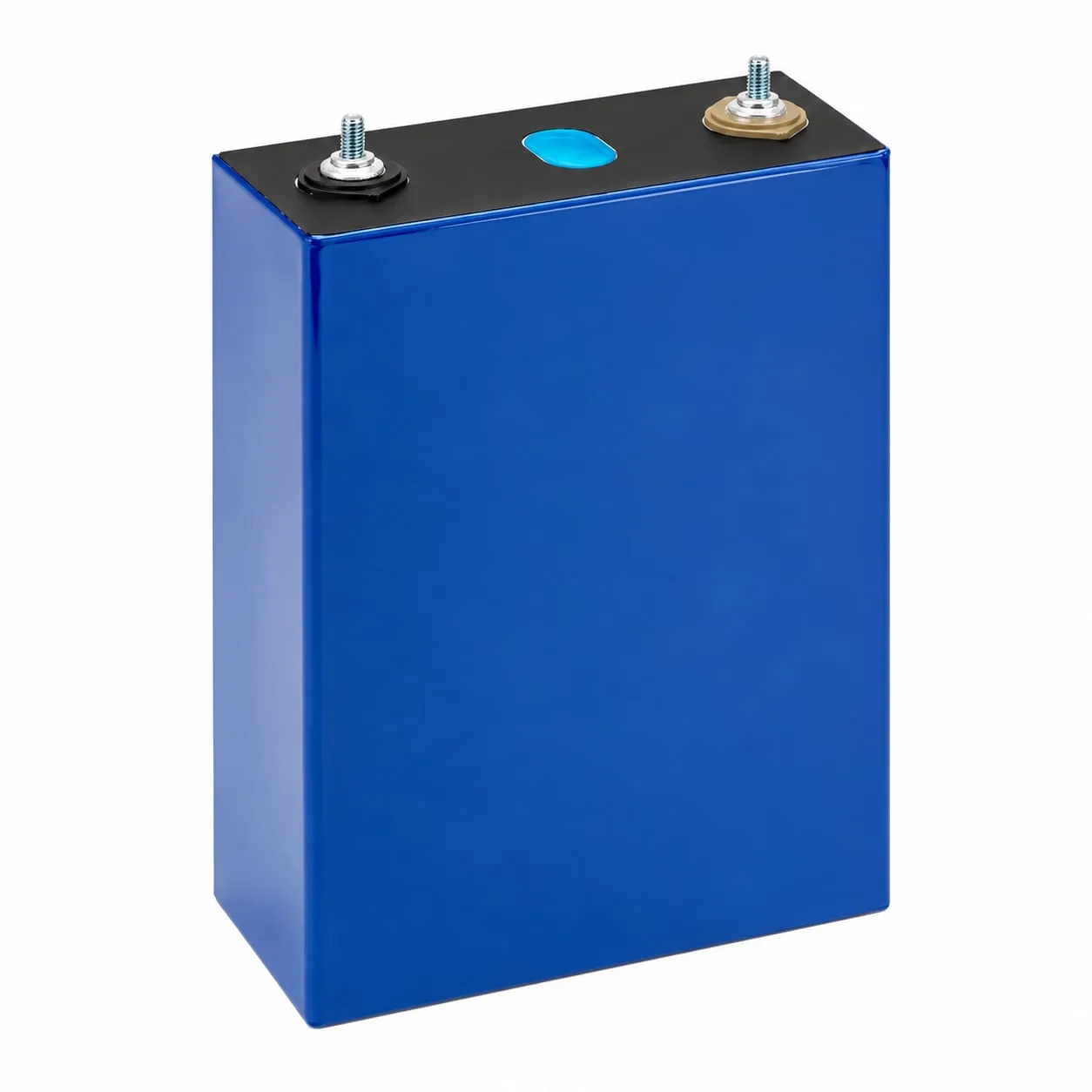
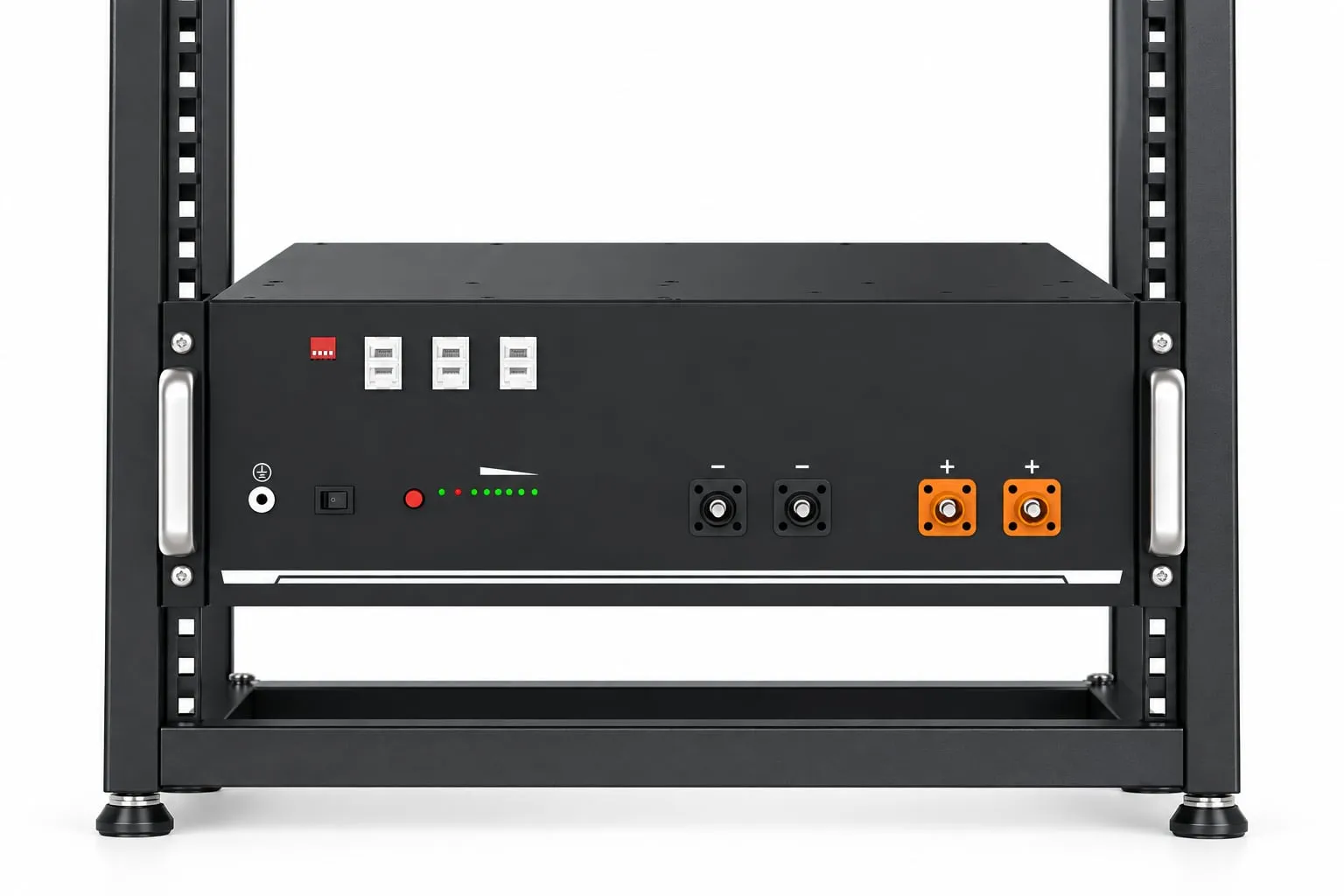
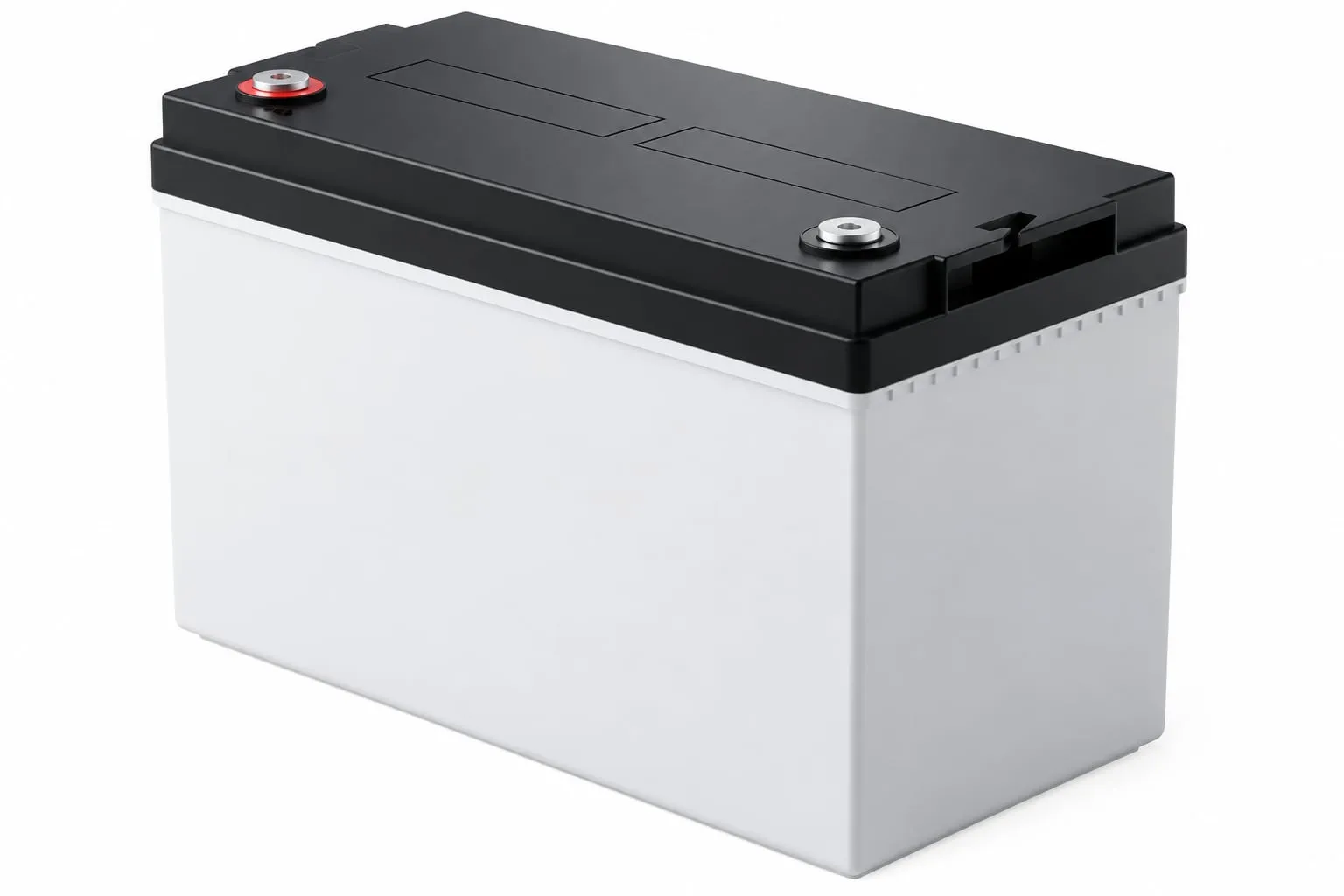
| LiFePO4 battery | Stores energy for evening and outages | Backup hours × load |
Step by step: sizing a home system
- List the backup loads. Lights, fridge, router, TV and fans are easy; pumps, air conditioners and electric water heaters change everything.
- Add up their power. That sets the inverter’s continuous rating; motors also need surge capacity.
- Decide the backup time. Two hours of load shedding and two days without grid need very different batteries.
- Size the solar array from your monthly bills, so the battery is recharged every day.
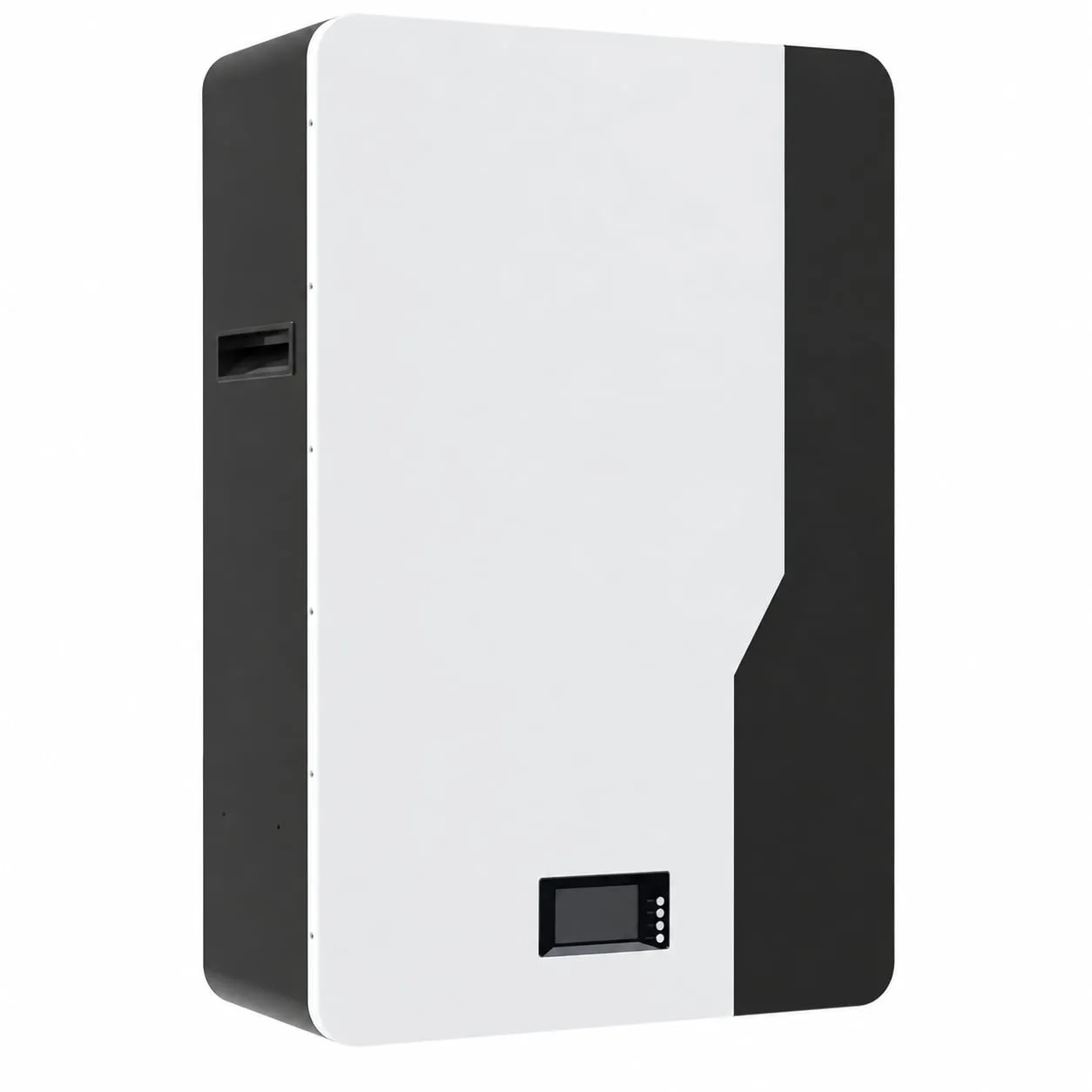
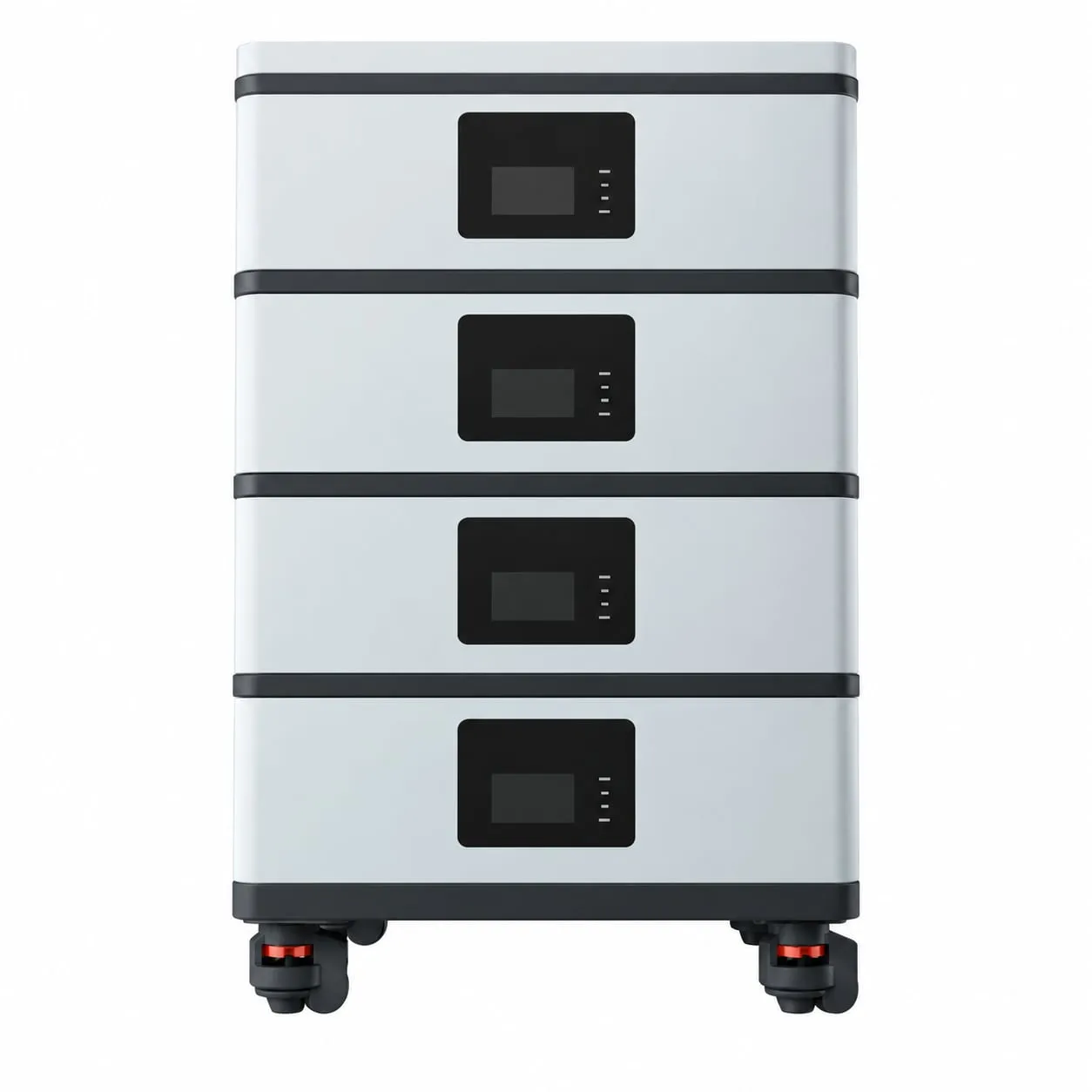
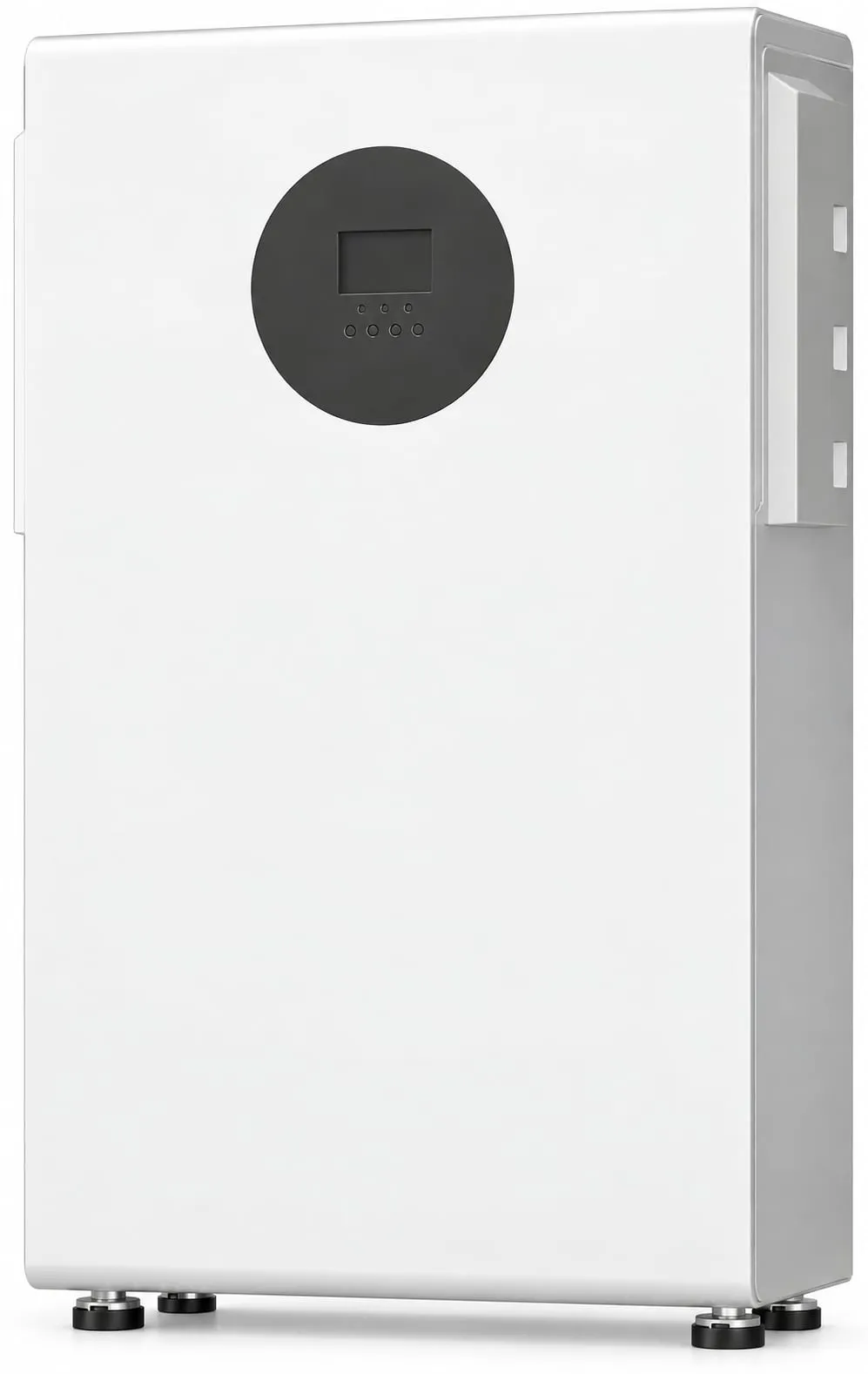
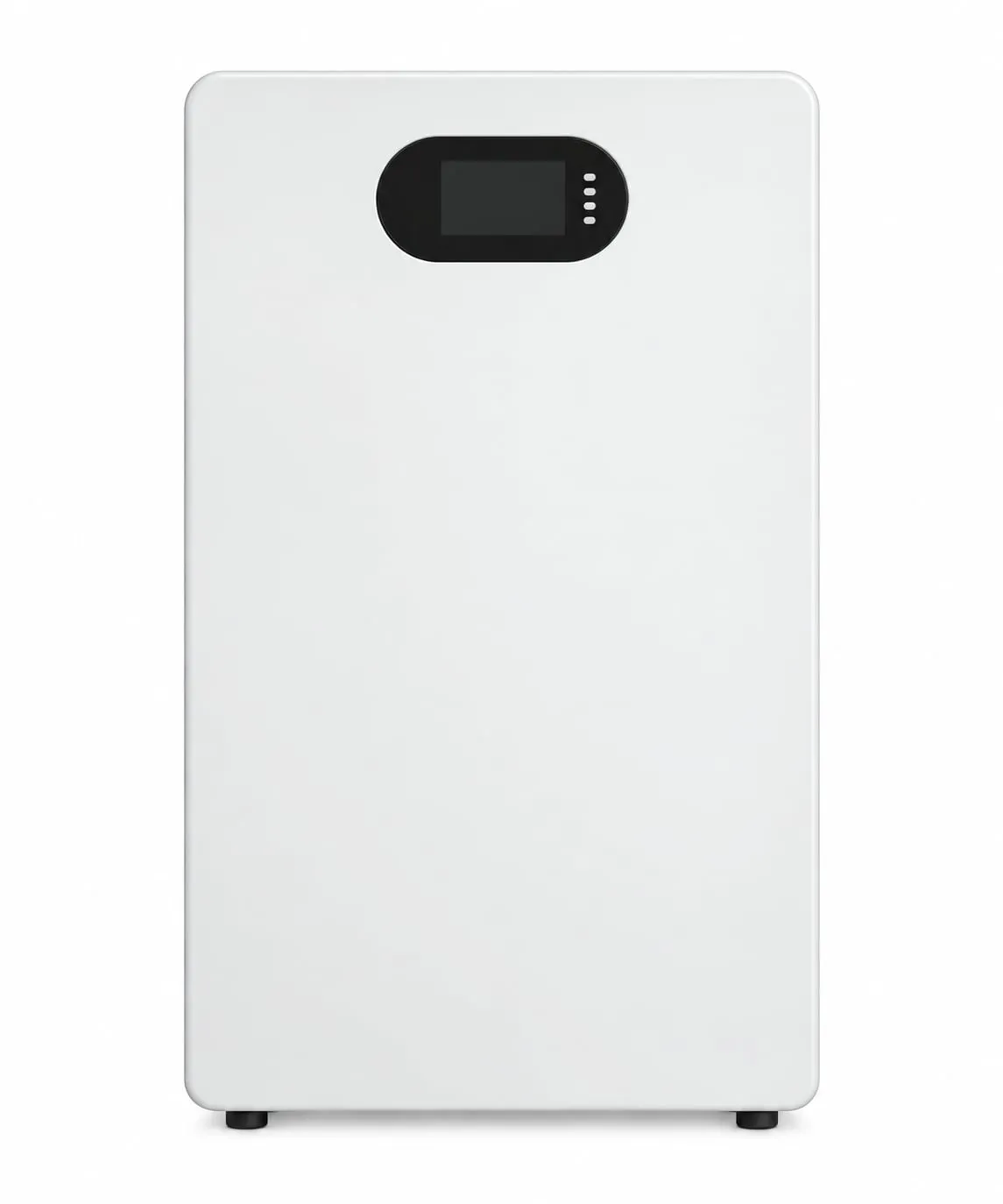
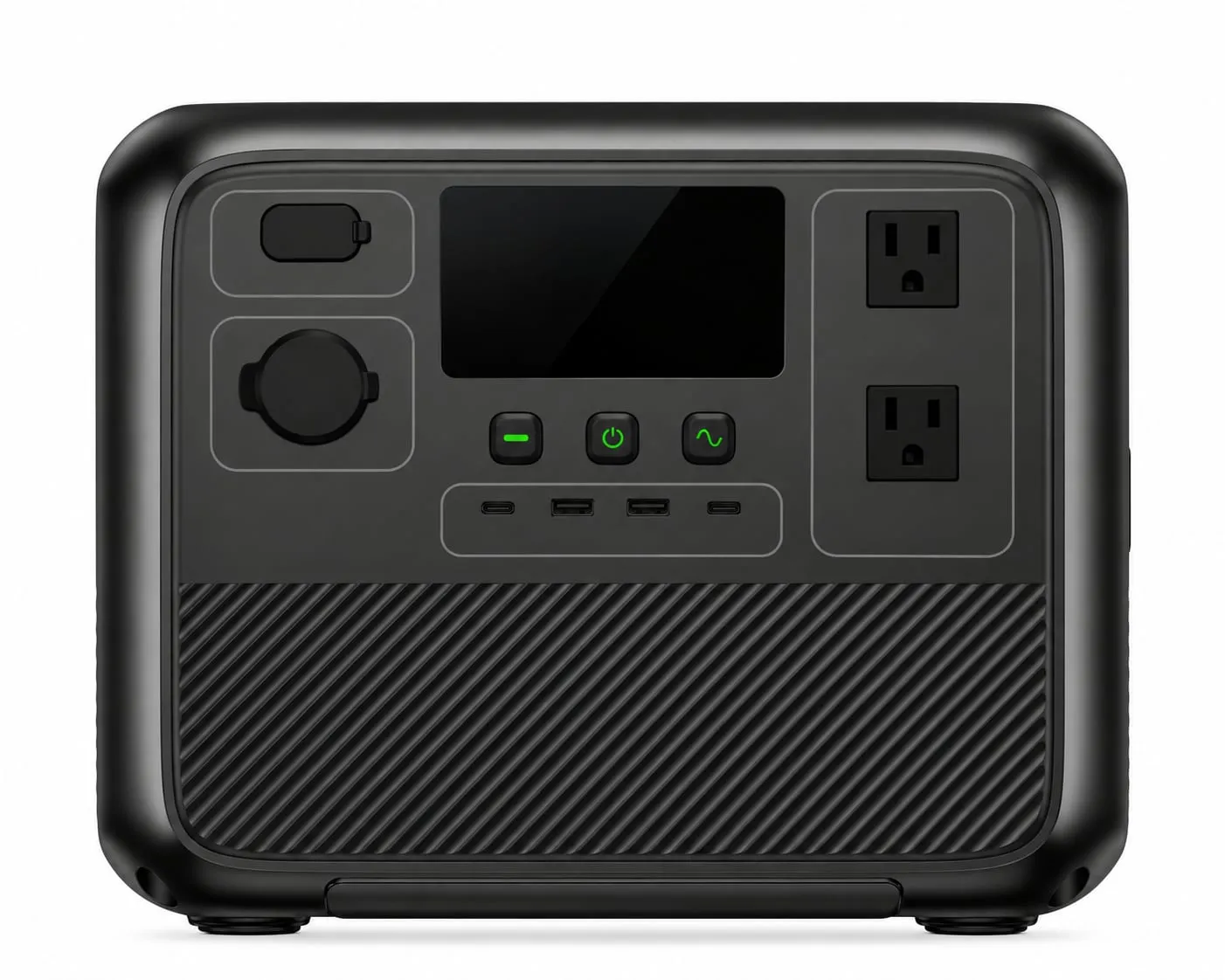
- Choose the battery format: wall-mounted, stackable, floor-standing or an all-in-one unit with the inverter built in.
What we need from you
Recent electricity bills, the list of backup loads, your outage pattern, roof photos with orientation, and the grid type (single-phase, split-phase or three-phase). With these we return a configuration, single-line diagram and price.