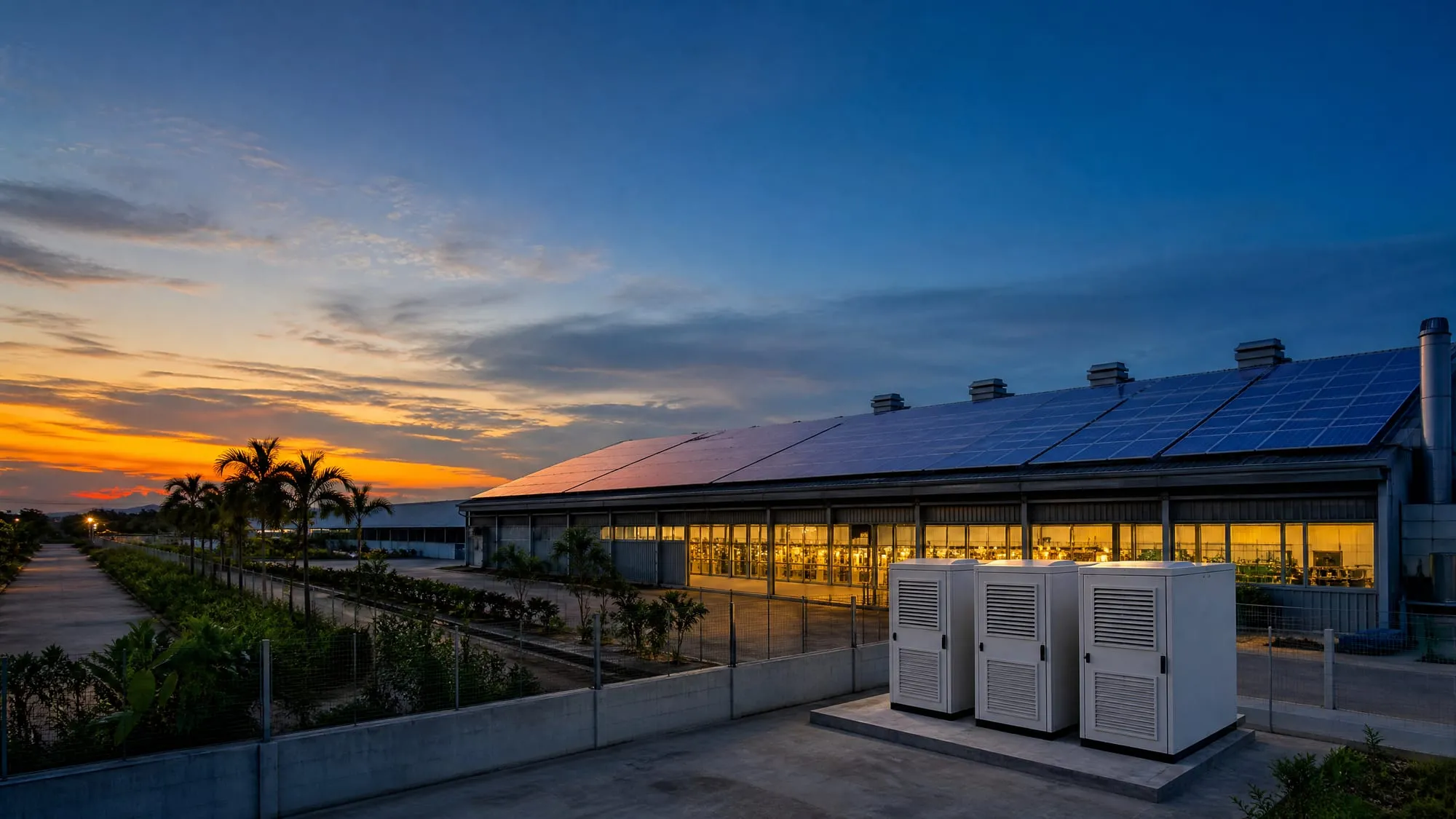
Short answer: Commercial and industrial (C&I) energy storage combines battery cabinets, a power conversion system and an energy management system — usually with rooftop or ground solar — to cut demand charges, shift energy to cheaper hours, use more of your own solar and keep critical production lines running in an outage. It is sized from a 12-month load profile, not from the floor area.
Where the savings come from
| Value stream | How storage creates it | Data we need |
|---|---|---|
| Demand-charge reduction | Battery discharges during the site’s peaks | Interval load data, demand tariff |
| Time-of-use shifting | Charge in cheap hours, discharge in expensive hours | Tariff schedule |
| Solar self-consumption | Store midday surplus for the evening | PV output or roof layout |
| Backup | Carry critical loads through outages | Critical load list, outage history |
| Generator savings | Run diesels less and at better load | Generator size and fuel log |
Typical systems we supply
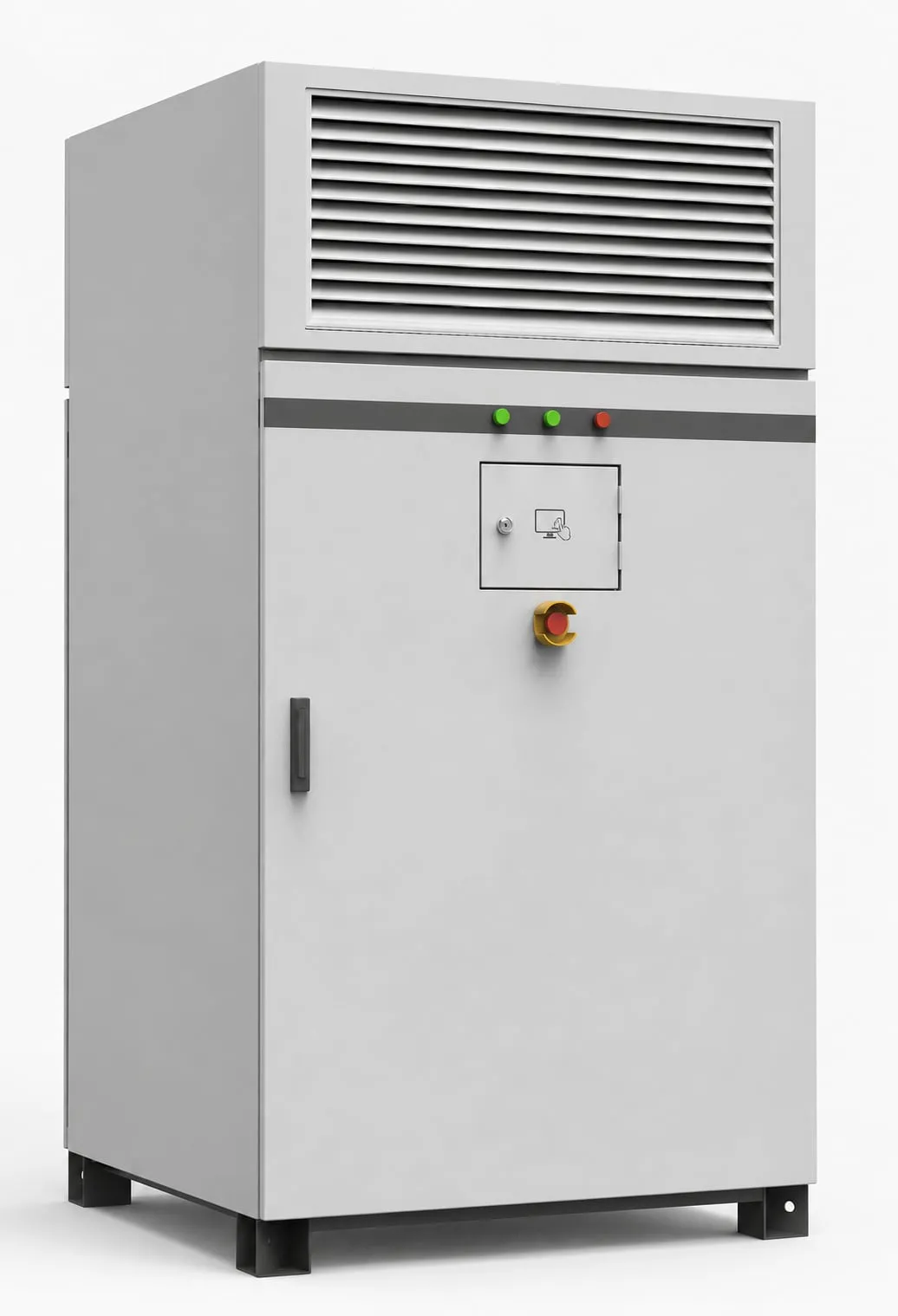
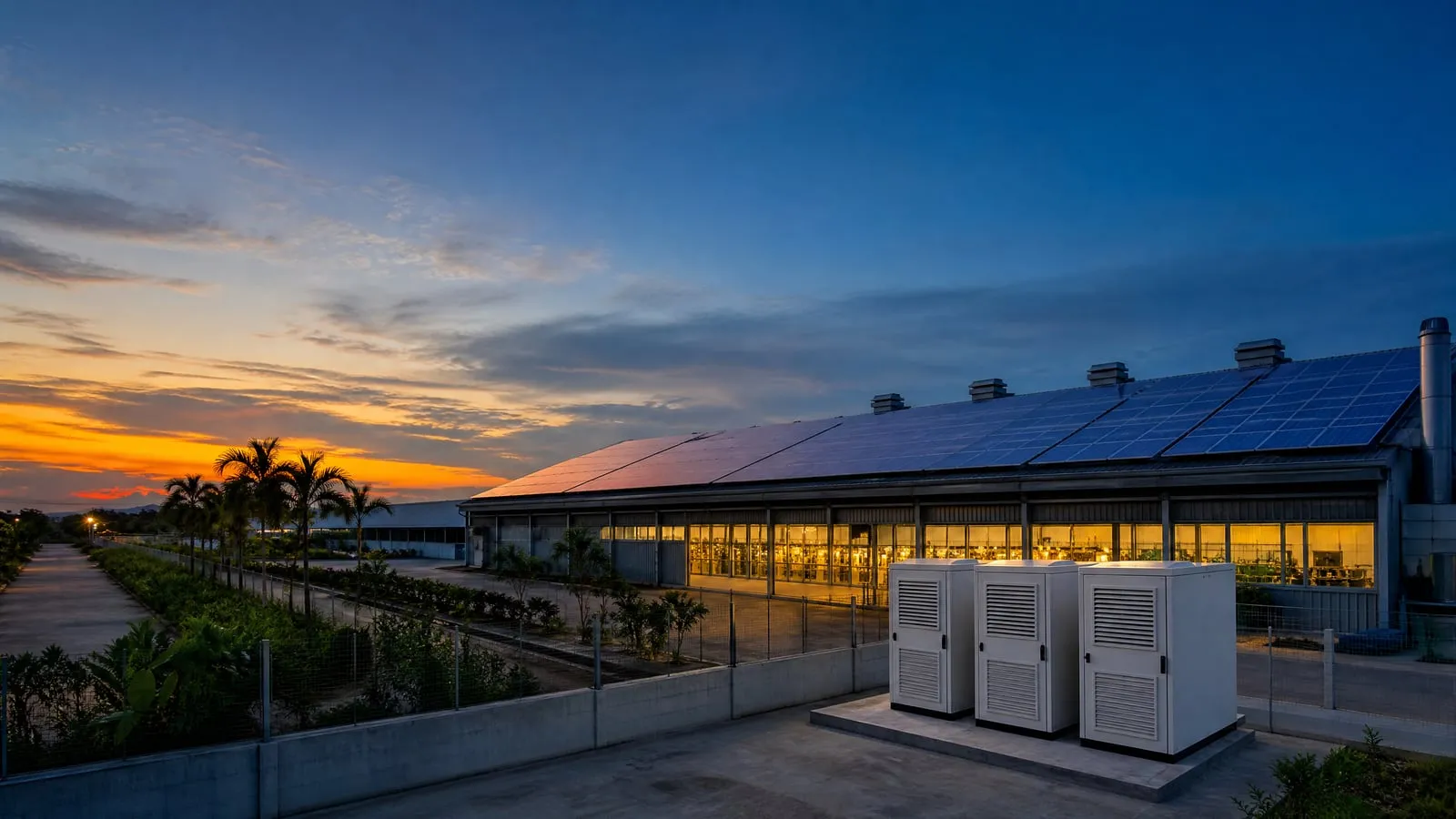
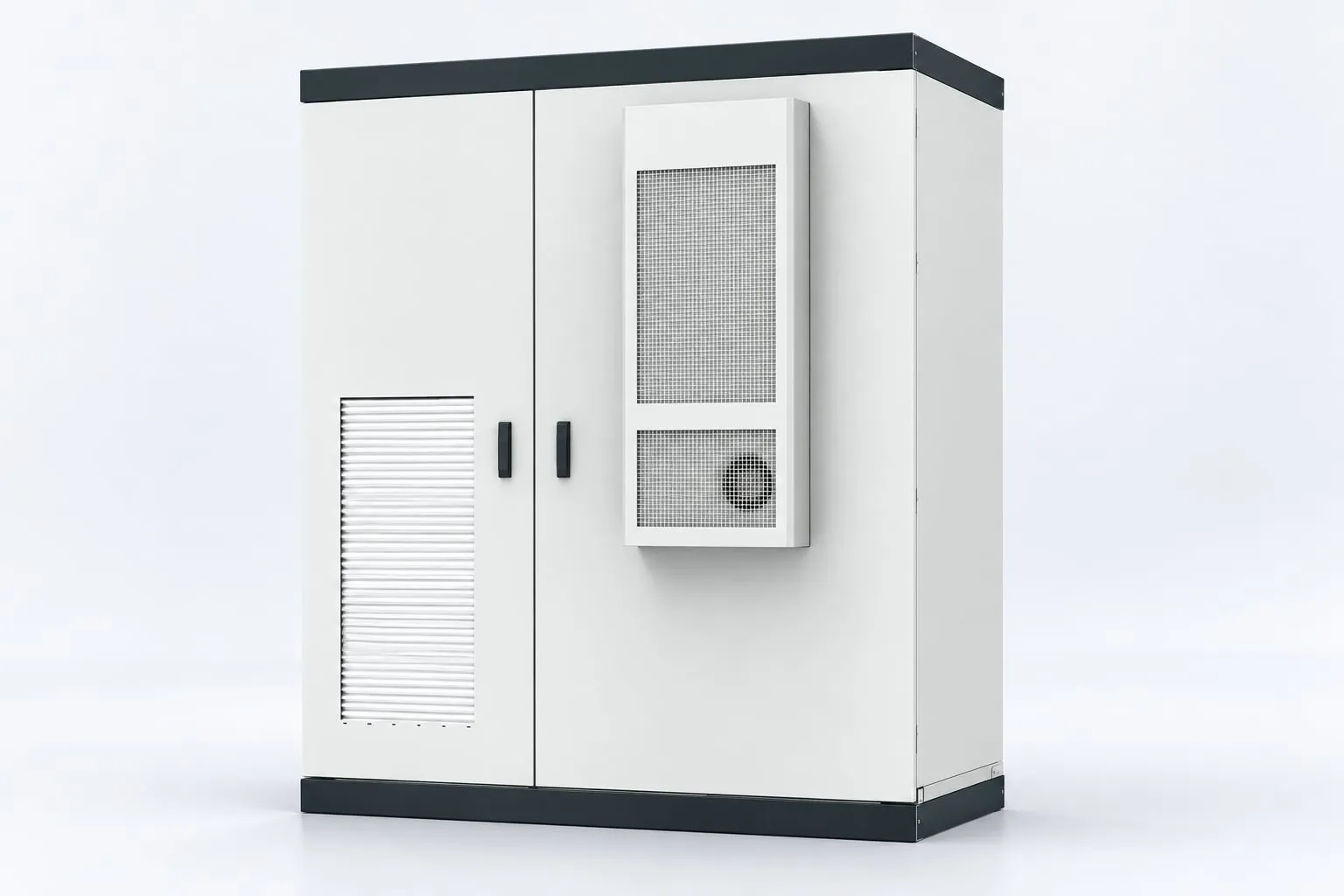
- Outdoor liquid-cooled cabinets around 150 kW each, connected in parallel — see the C&I storage cabinet.
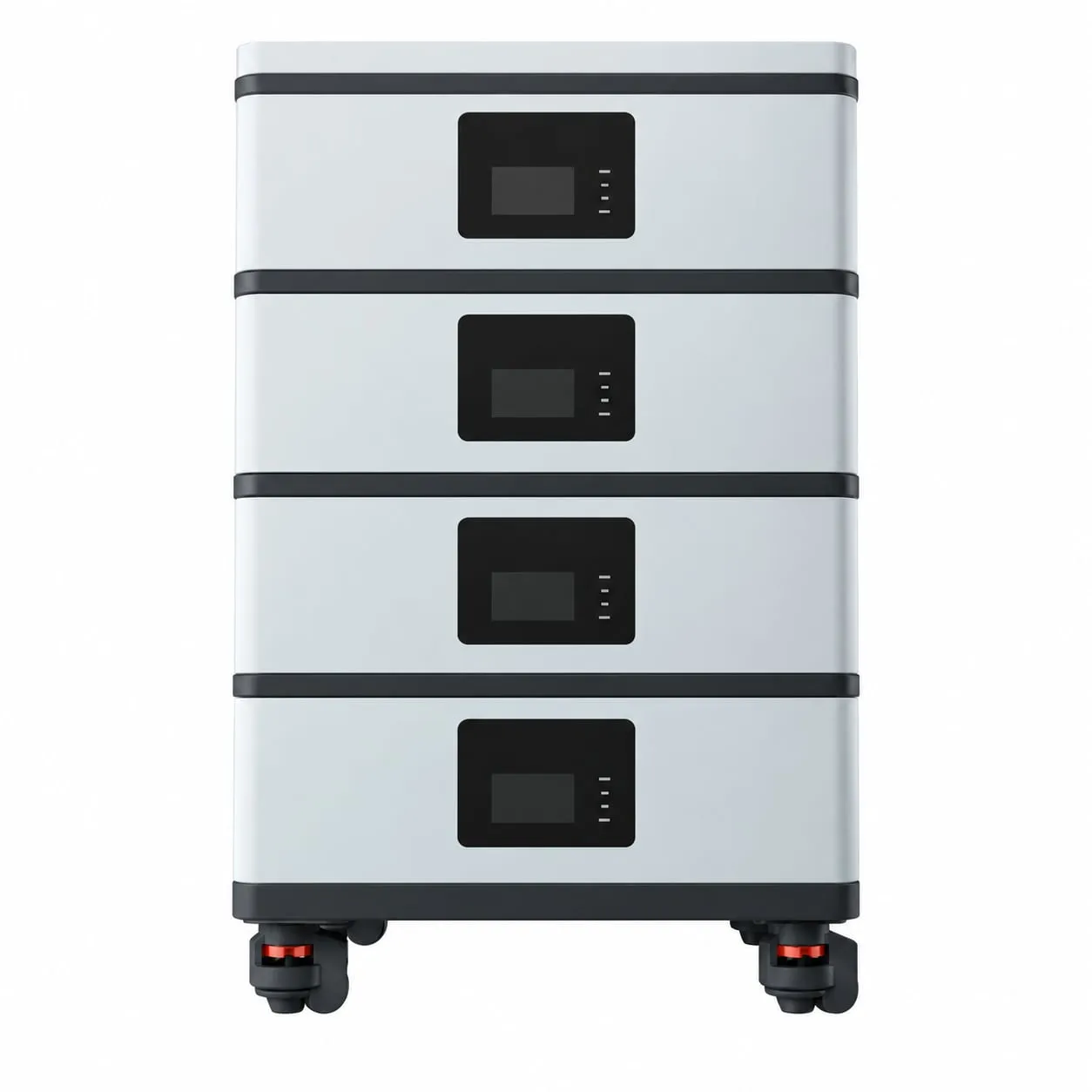
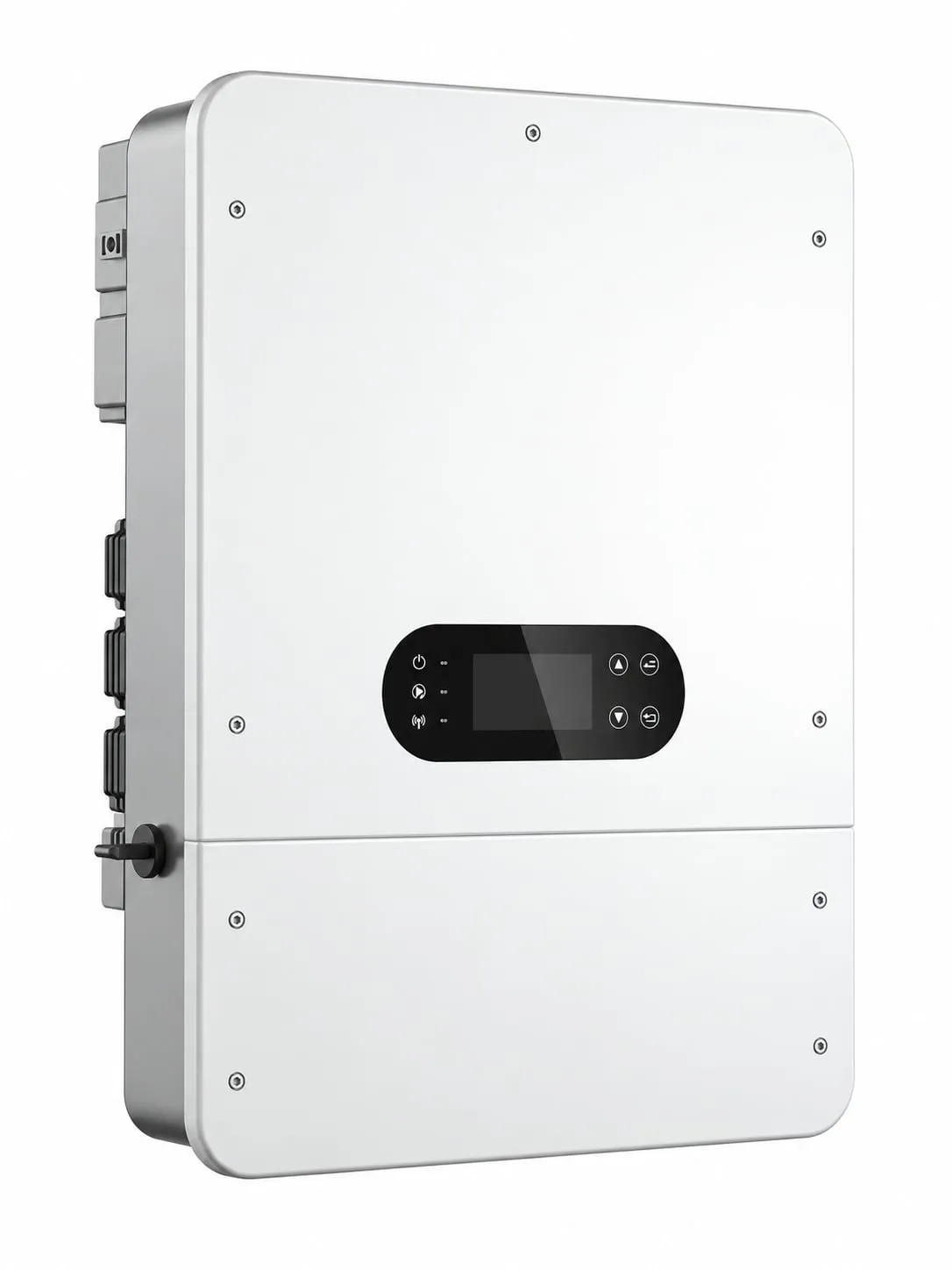
- Complete PV + storage systems such as 50 kW / 100 kWh, or 50–100 kW hybrid systems with around 200 kWh of lithium storage — see C&I solar + storage systems.
- Storage retrofits for sites that already have solar.
How a C&I project runs
- Data review — load profile, tariff, single-line diagram, transformer capacity.
- Simulation — we test battery sizes against your real load and show the savings for each.
- Design — cabinet location, fire distances, cable routes, protection settings.
- Supply and commissioning — factory-tested cabinets, joint commissioning of BMS, PCS and EMS.
Climate matters
Many of our sites see 40 °C afternoons and high humidity. Cabinet cooling, shading and the battery’s operating window are part of the design, because heat shortens battery life faster than anything else.