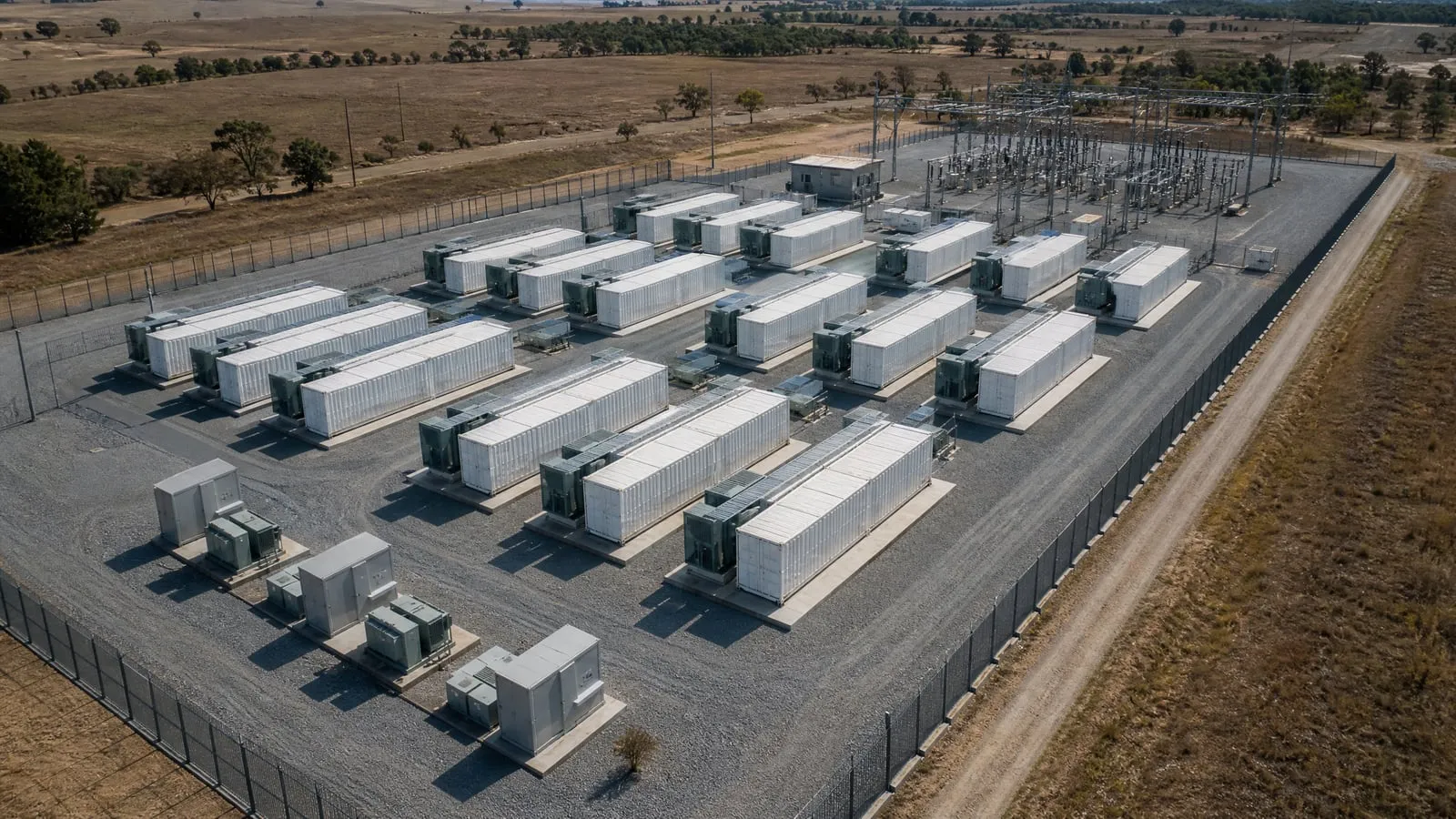
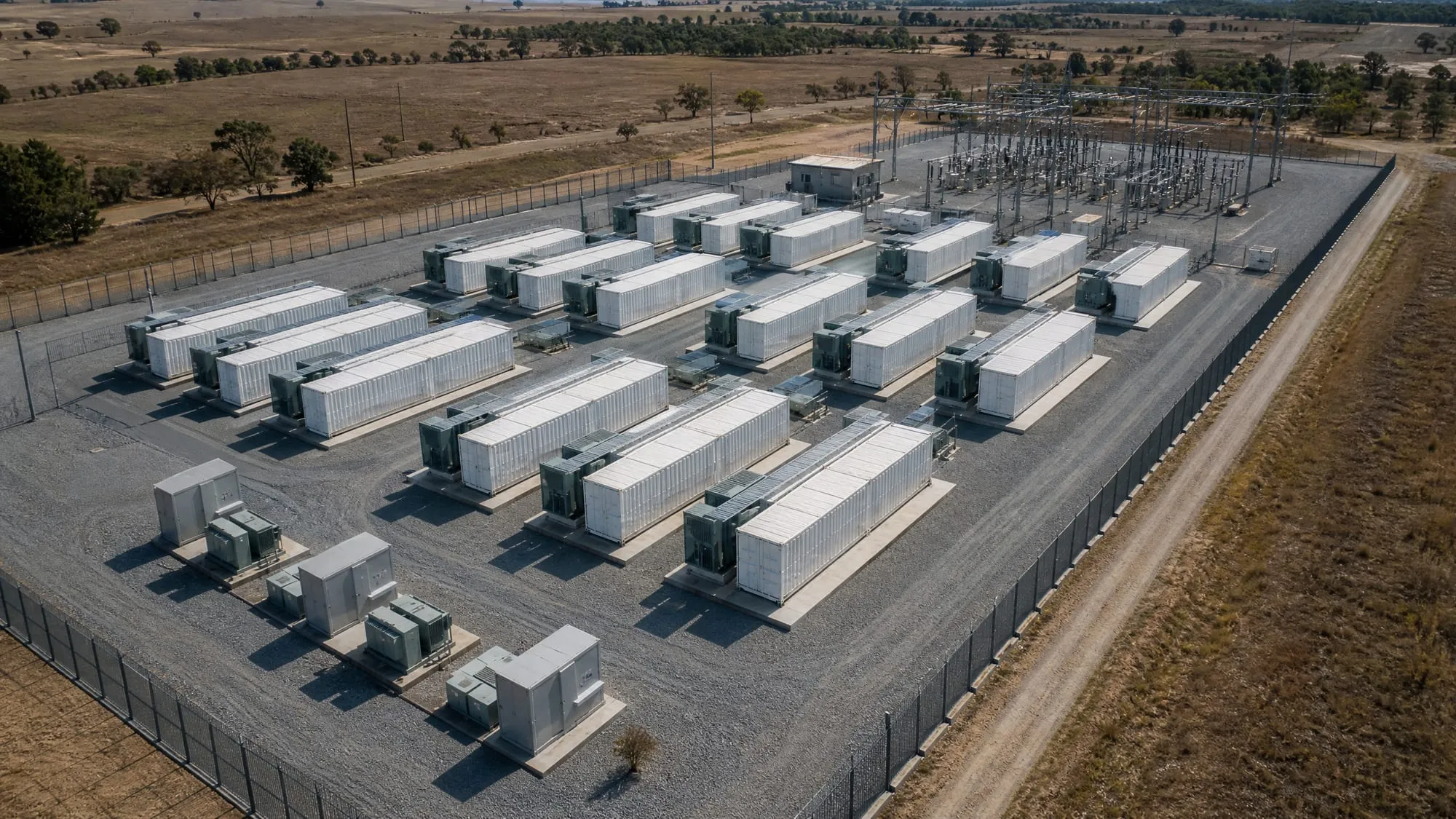
Short answer: Utility-scale battery storage is assembled from battery containers, PCS and medium-voltage transformer skids and a plant controller. It shifts solar energy into evening peaks, supports grid frequency and firms renewable output. The design is driven by power (MW), duration (hours), the grid code and how capacity will be maintained over the project’s life.
What grid-scale storage is used for
- Solar firming and shifting — moving midday solar into the evening peak.
- Frequency and voltage support — fast response that protects weak or island grids.
- Peak capacity — covering demand peaks without new peaking plants.
- Network deferral — relieving congested lines and substations.
The ASEAN Centre for Energy notes that battery storage can help integrate variable renewables in Southeast Asia, with progress tied to policy, procurement and revenue mechanisms — which is why we start every utility design from the market rules.
Building blocks
| Block | Role |
|---|---|
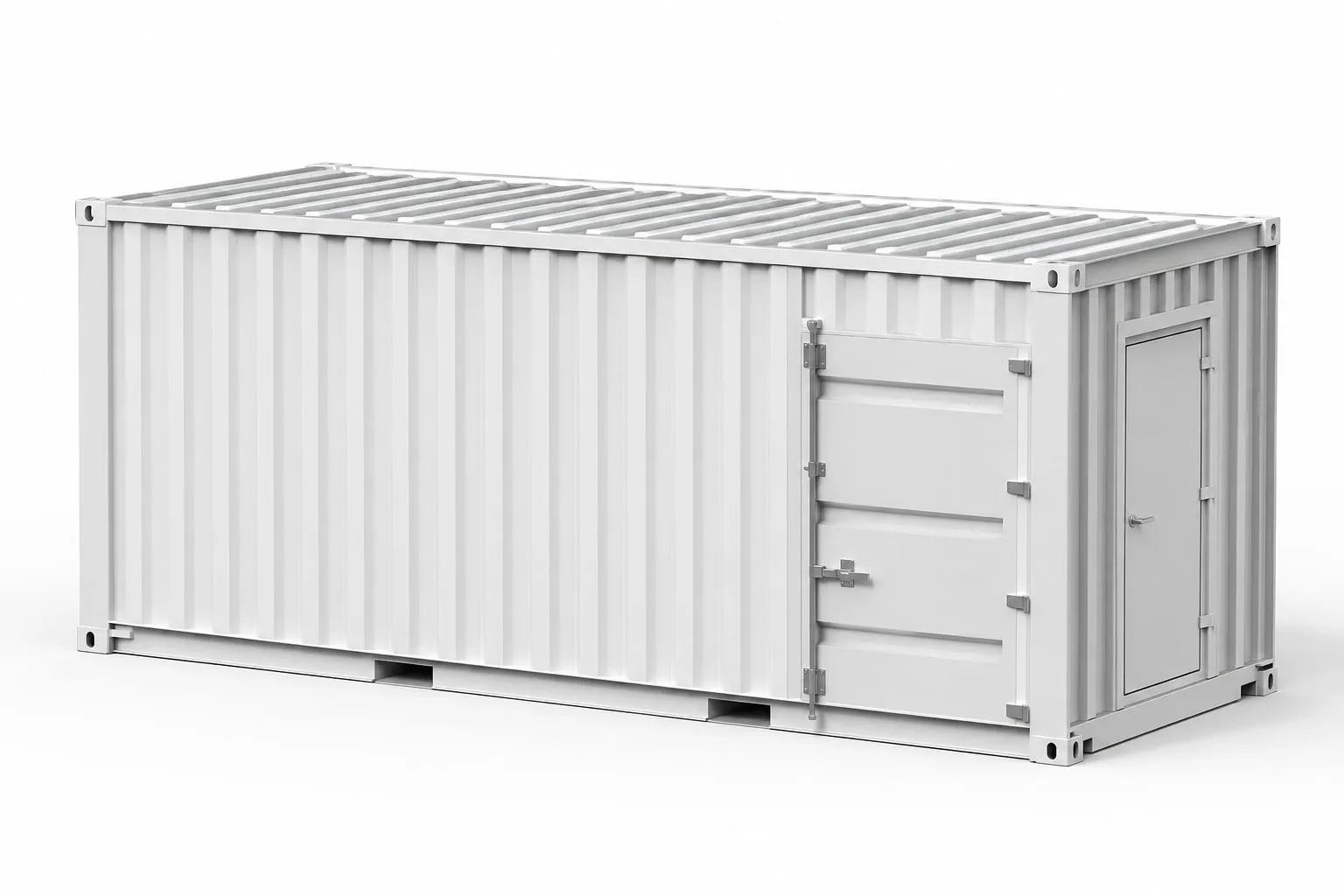
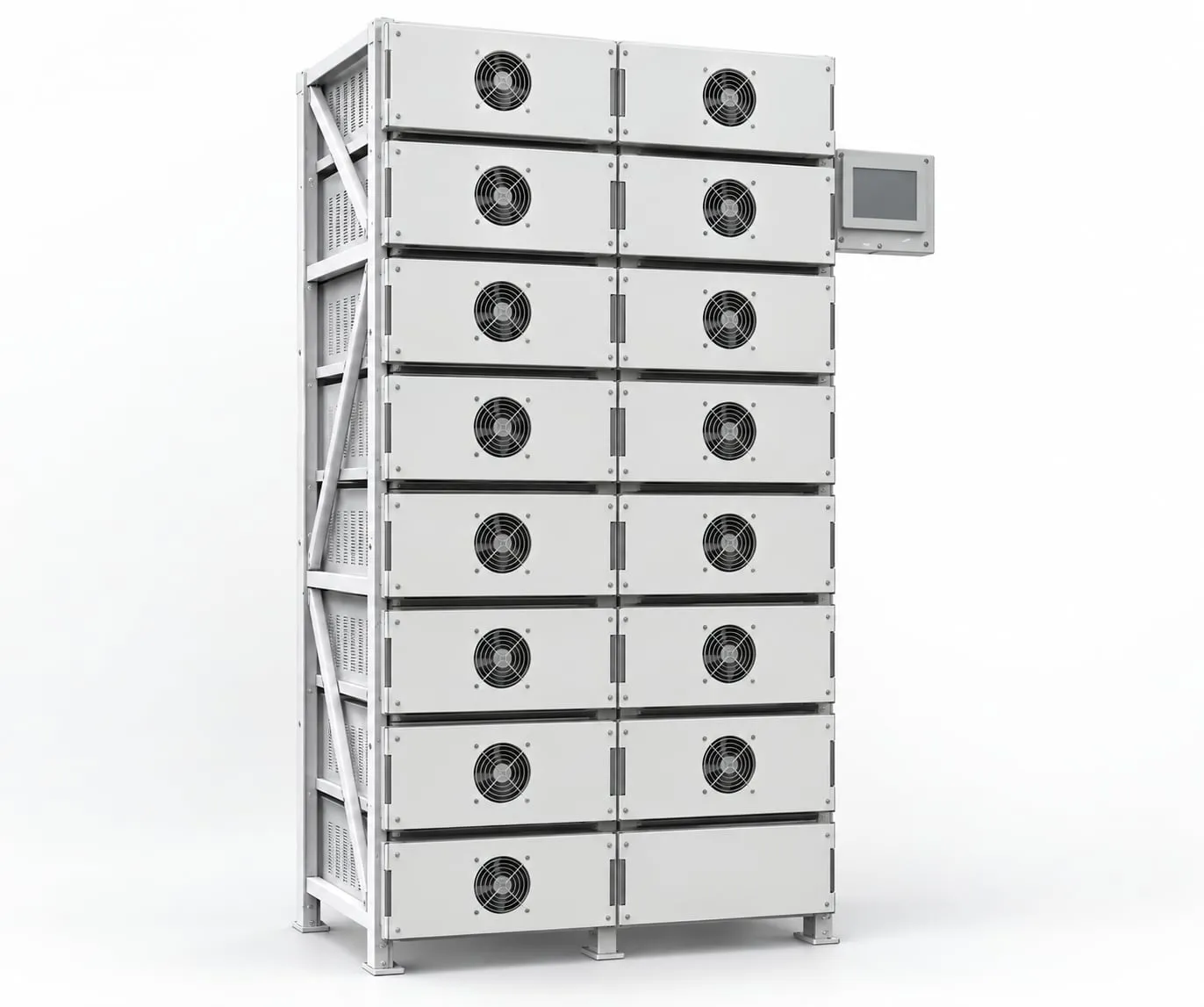
| Battery container | Racks, BMS, HVAC, gas detection, fire suppression |
| Battery racks | Modules in series to the DC voltage |
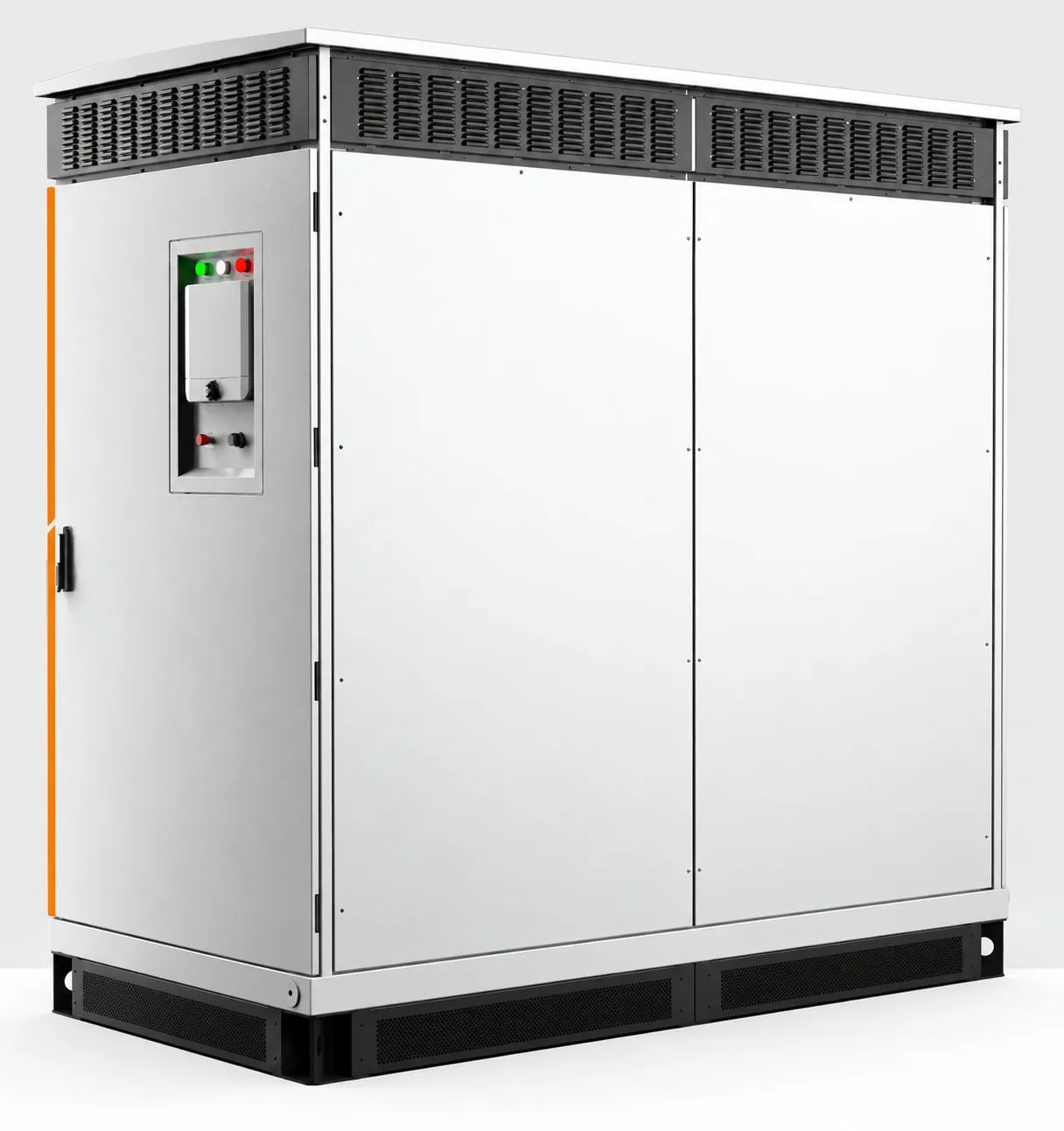
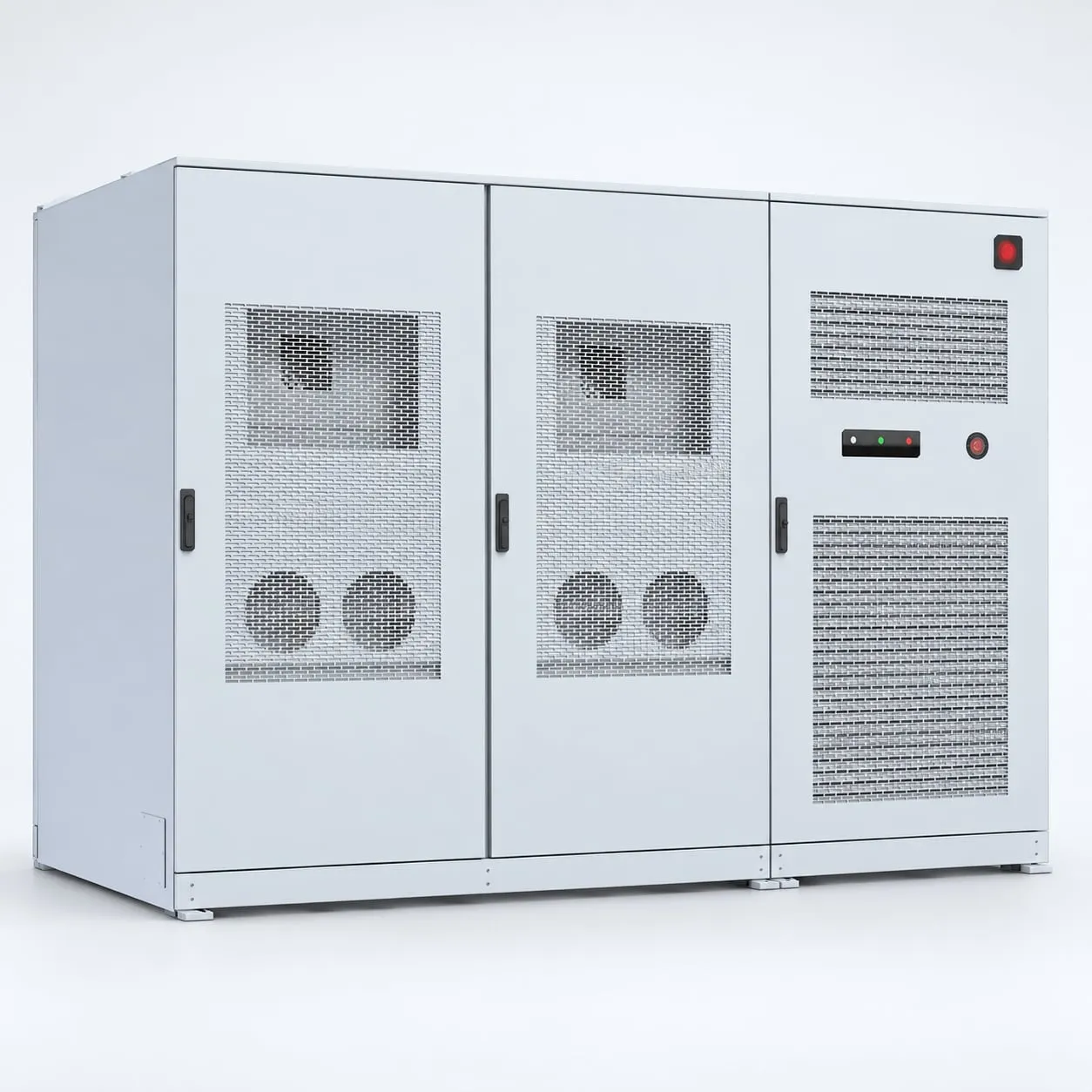
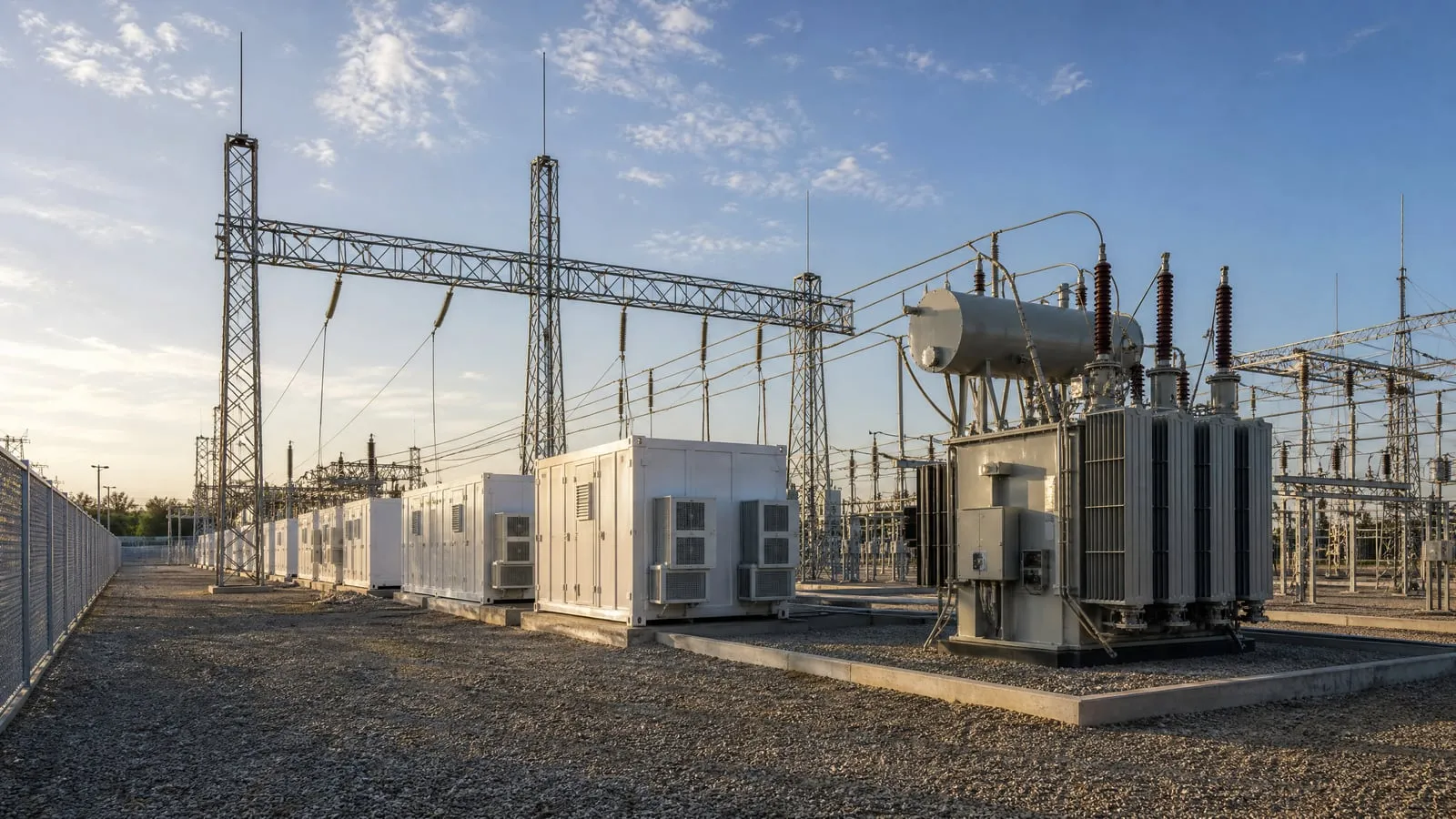
| PCS + transformer skid | DC/AC conversion and step-up to medium voltage |
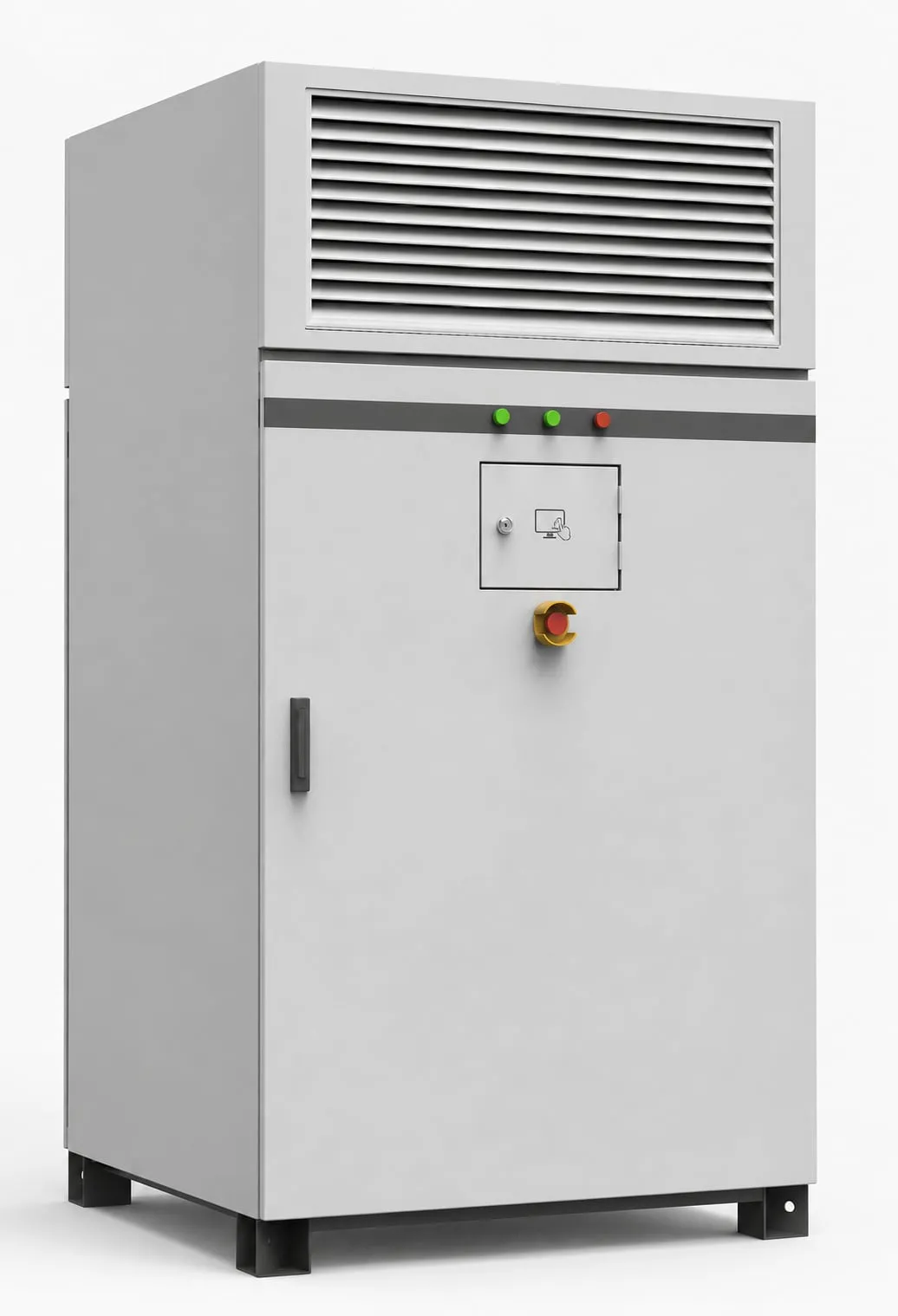
| Plant controller / EMS | Dispatch, grid services, data |
Questions to settle early
- Power and duration — set by the service or contract.
- Point of connection — voltage, short-circuit level, protection.
- Degradation and augmentation — oversize at the start, or add containers later?
- Land and logistics — crane access, foundations, fire spacing.