- Utility BESS
- MW / MWh scale
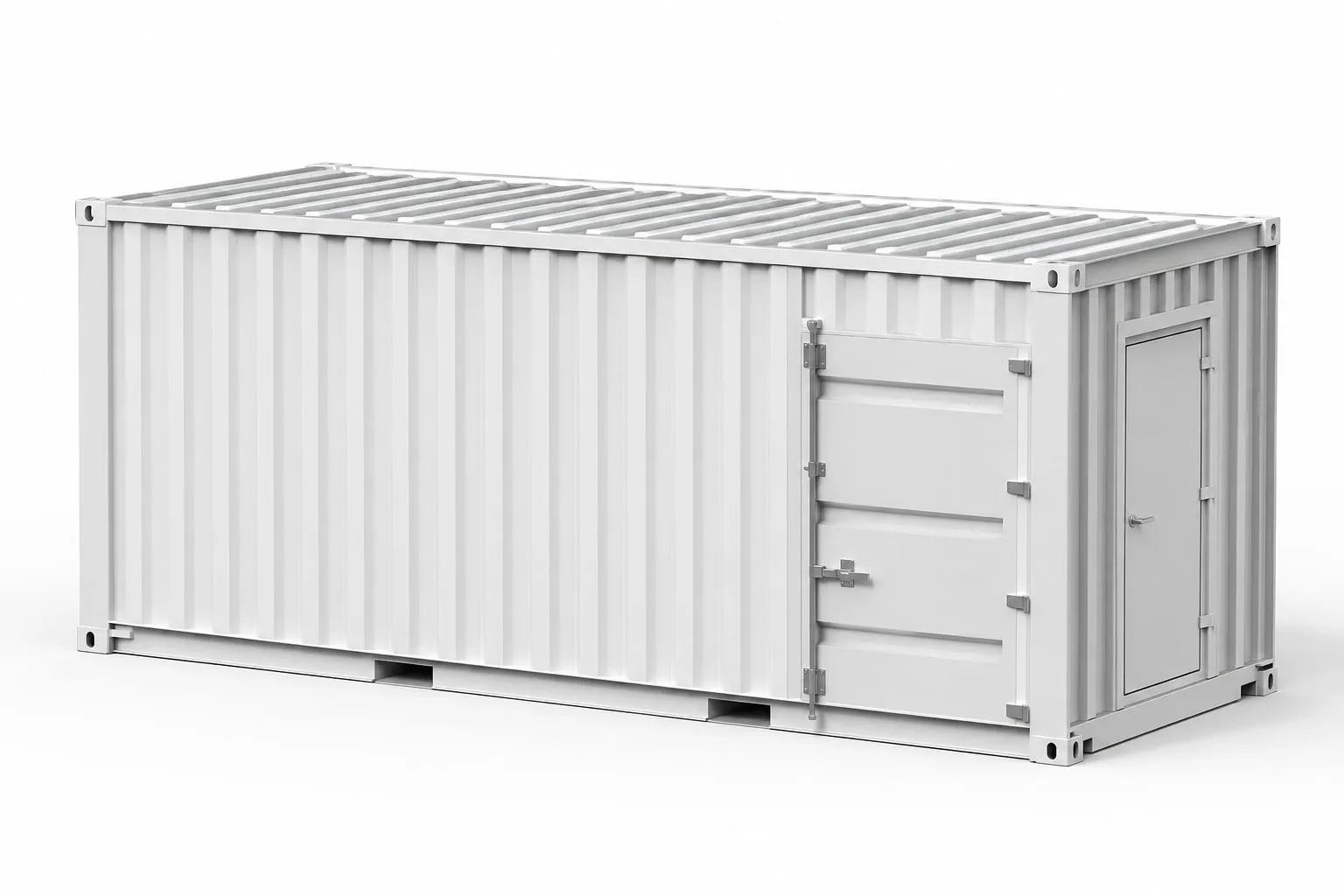
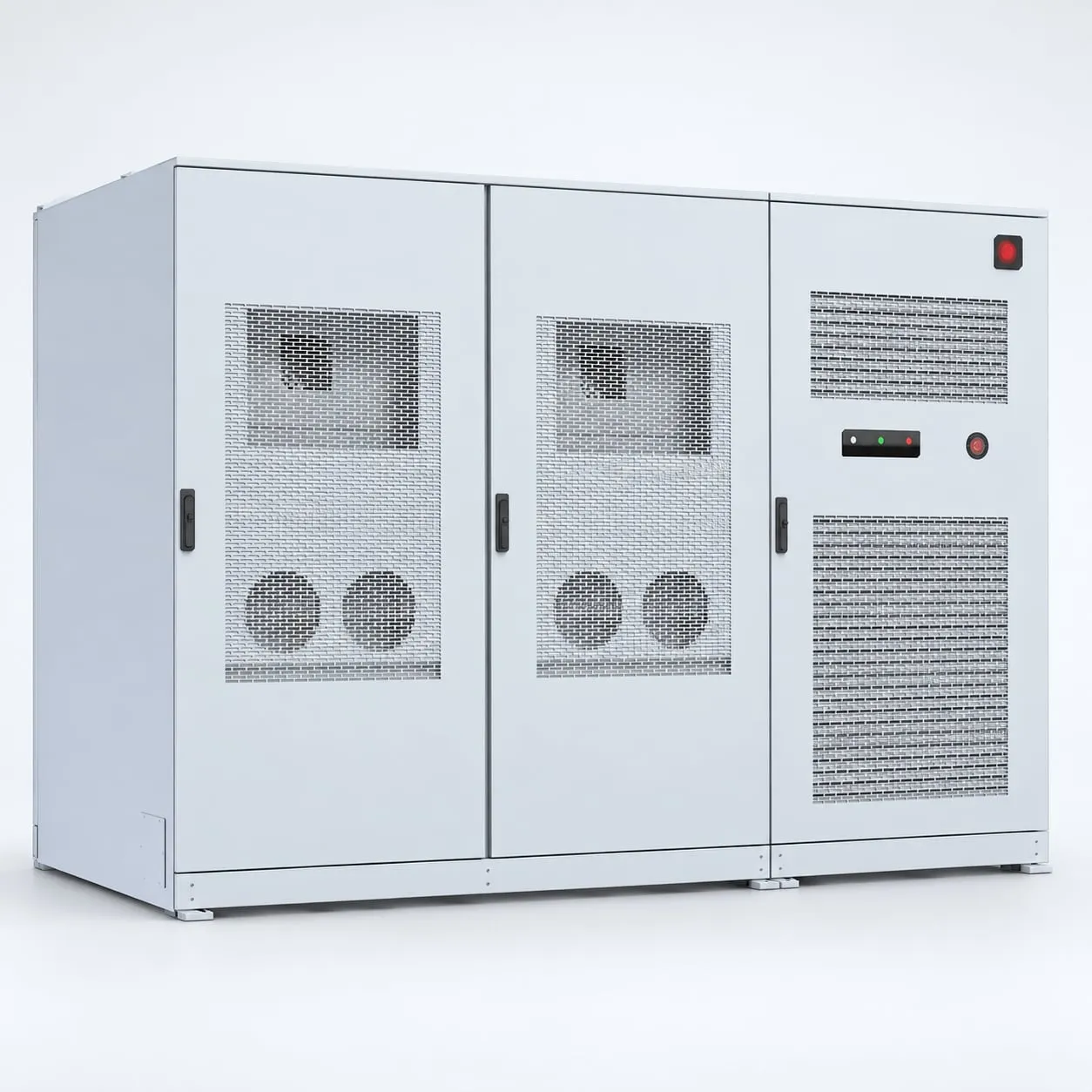
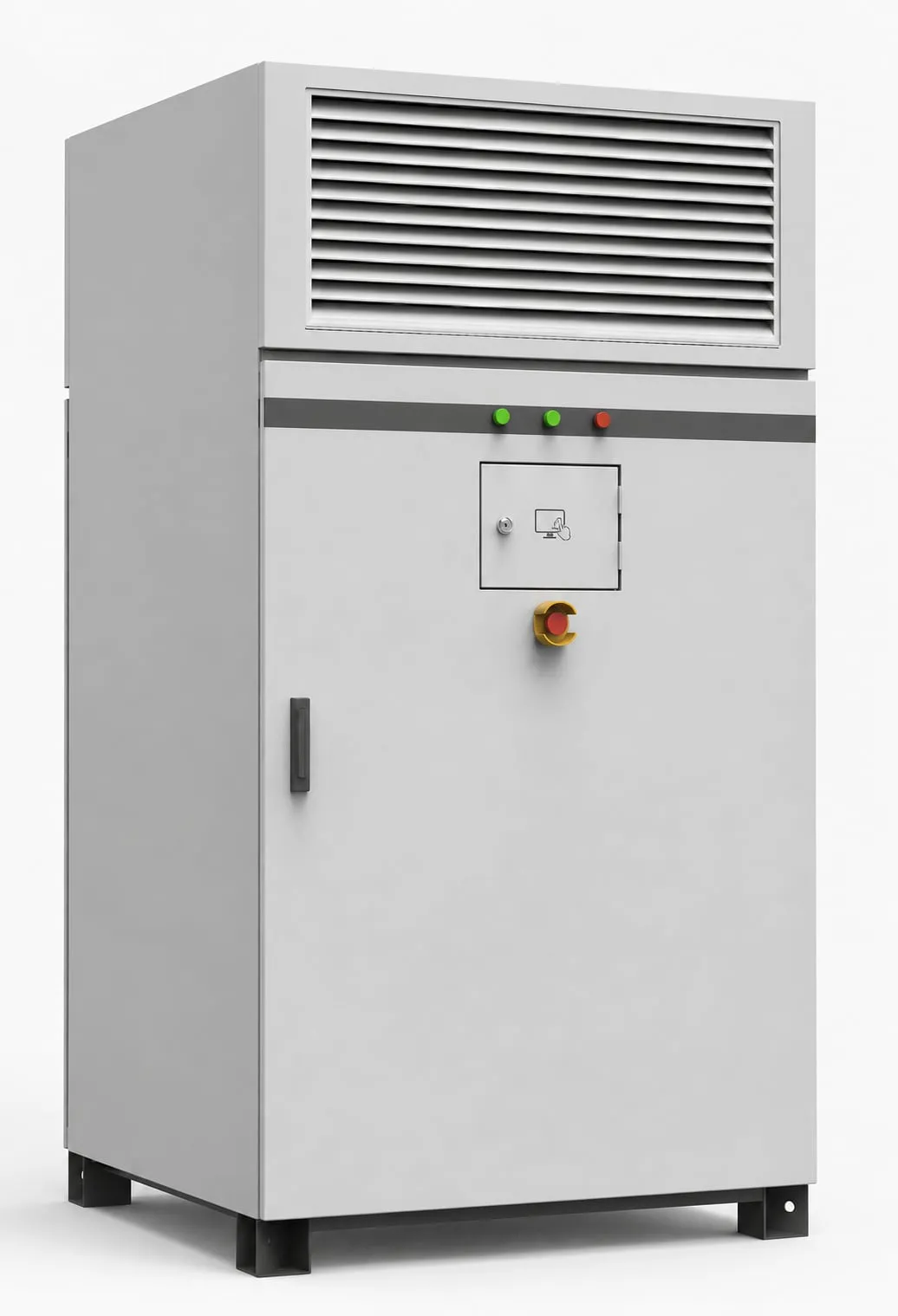
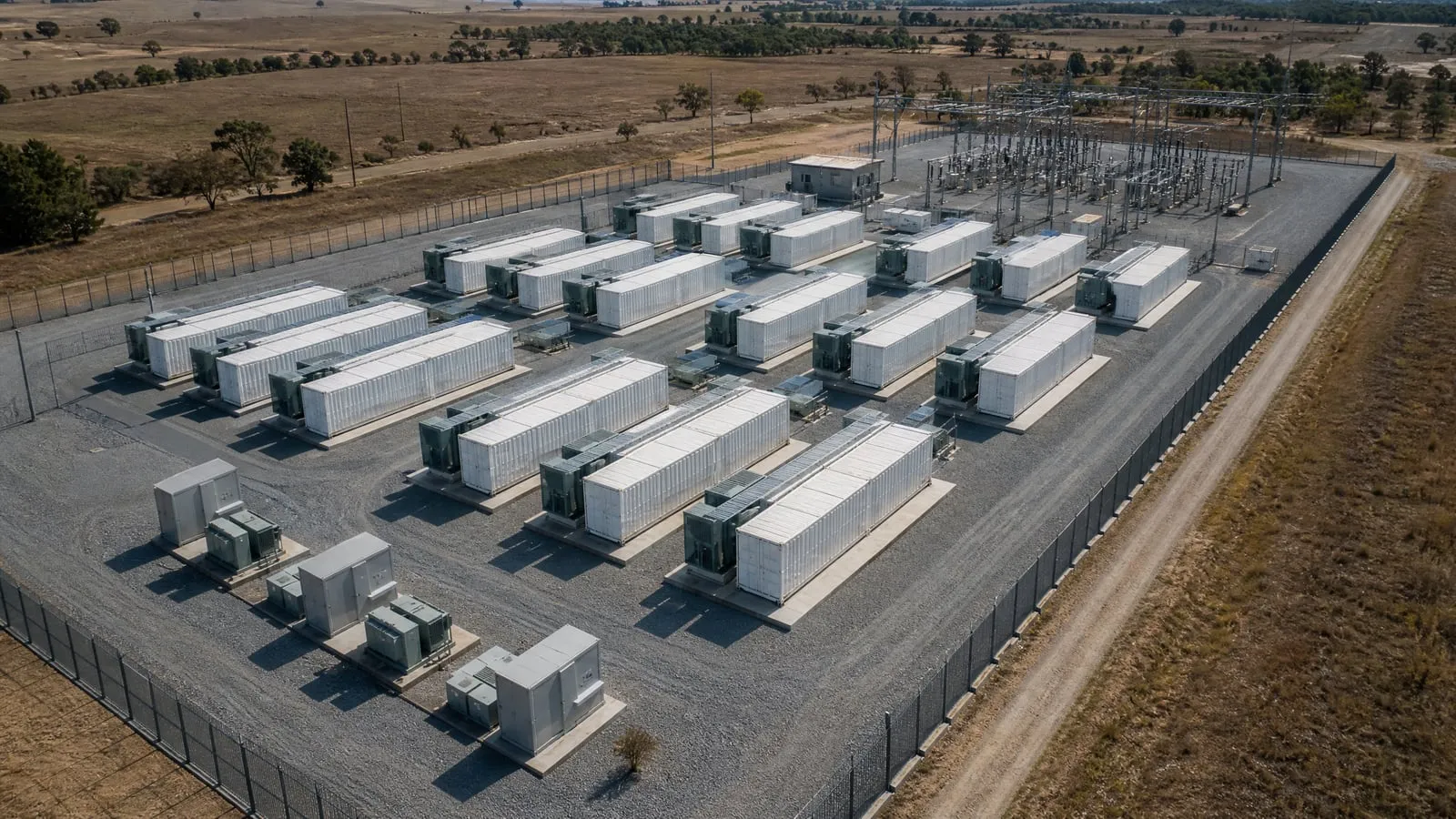
Utility-Scale Battery Energy Storage System
Grid operators, IPPs, and solar plants that must firm their output.
View details of Utility-Scale Battery Energy Storage System →
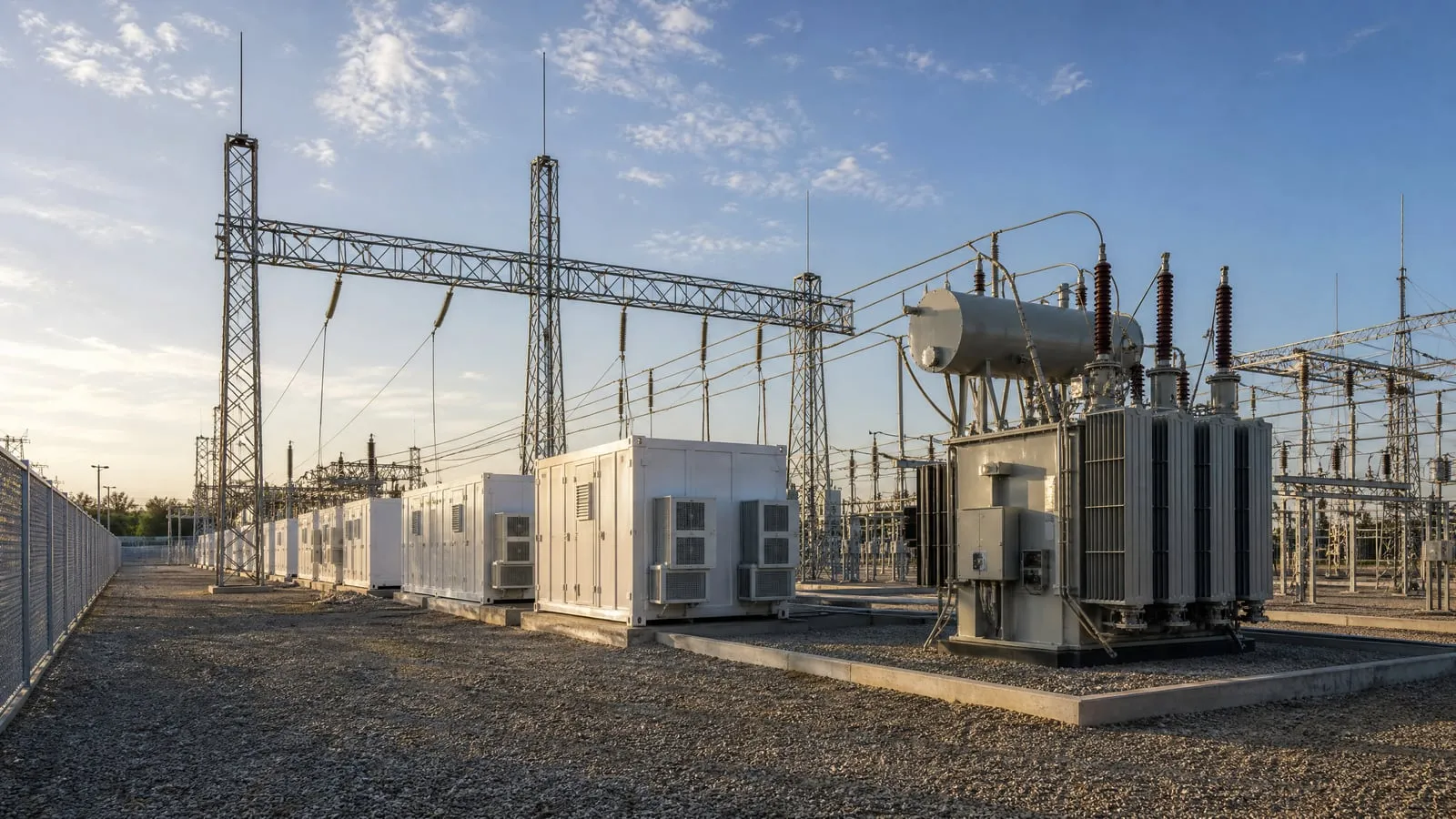
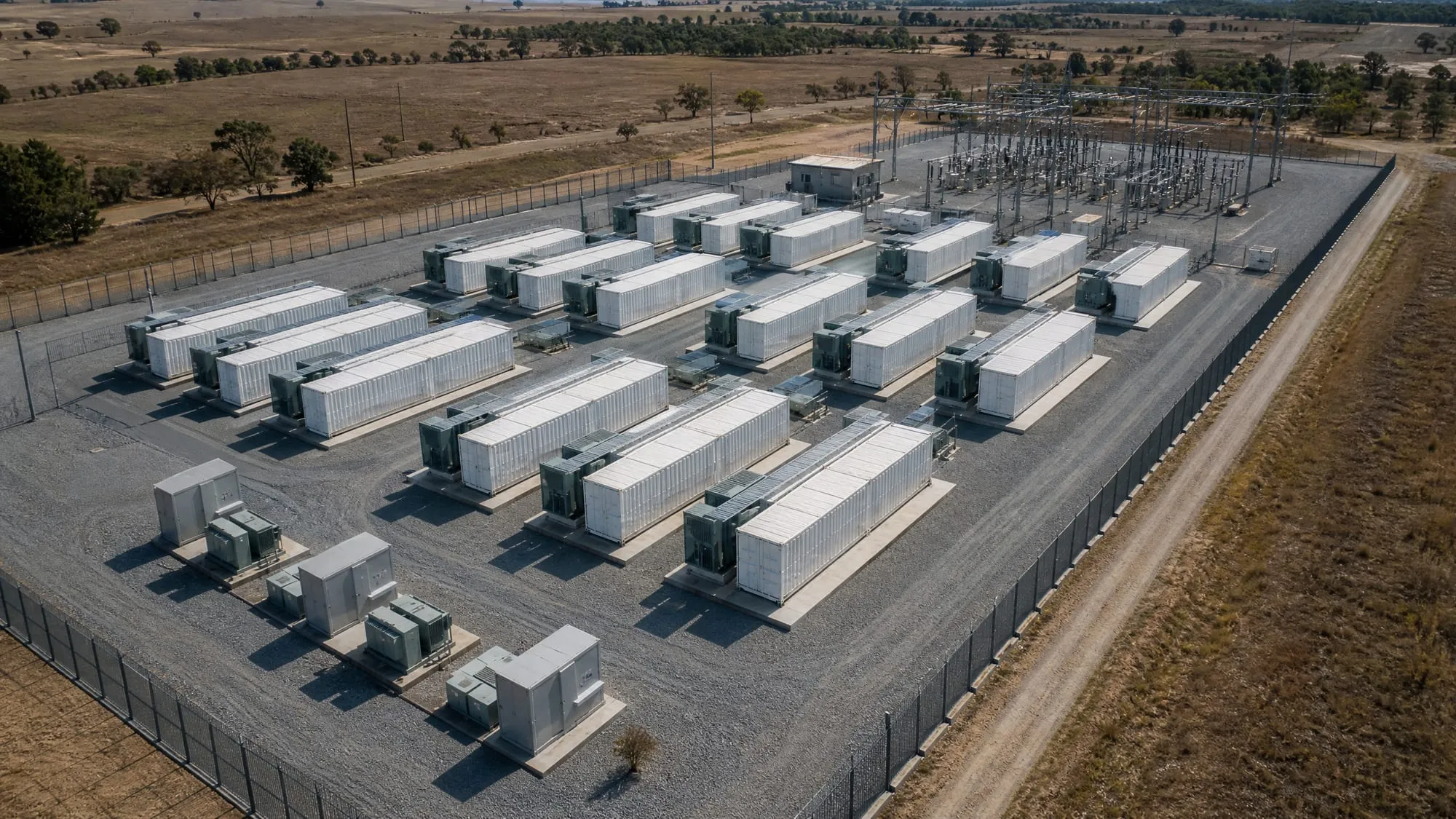
A storage plant connected directly to the grid, operated to the network's needs.
Best for: Utilities, grid operators and renewable developers.
A grid-side storage plant connects at a substation and works for the network — buying energy when it is cheap or plentiful, delivering it at peak, and supporting frequency and voltage.
The revenue or tariff mechanism in your market drives the size and duration more than anything else, so we start the design there, together with the connection agreement and the protection settings of the substation.
Our engineers check these points with you, so the quotation fits your site rather than a catalogue default.
Frequency services need short duration and high power; evening peak shifting usually needs two to four hours. The market rules decide.
In some markets a plant can combine energy shifting with grid services. What is allowed depends on the market rules and contracts, which we use as the starting point of the sizing.
The owner or an operations contractor, following the grid operator's dispatch. We provide training, monitoring access and spare parts support.
Factory acceptance tests on each block — insulation, BMS functions, cooling and fire-system checks, and PCS functional tests where the PCS is integrated. You or a third-party inspector can witness them.
Datasheets, single-line diagrams, protection settings, harmonic and fault-current data, fire-protection descriptions and simulation models where the utility requests them. We provide them for your consultant and the network operator.
Tell us the application, location and target power or energy. Our engineers reply with a matched configuration and quotation.
Grid operators, IPPs, and solar plants that must firm their output.
View details of Utility-Scale Battery Energy Storage System →Utility BESS, large C&I sites, mines and microgrids.
View details of Containerized Battery Storage →Projects that grow in stages or spread storage across several buildings.
View details of Modular Energy Storage Unit →C&I storage, utility BESS and microgrids.
View details of Bidirectional Power Conversion System (PCS) →