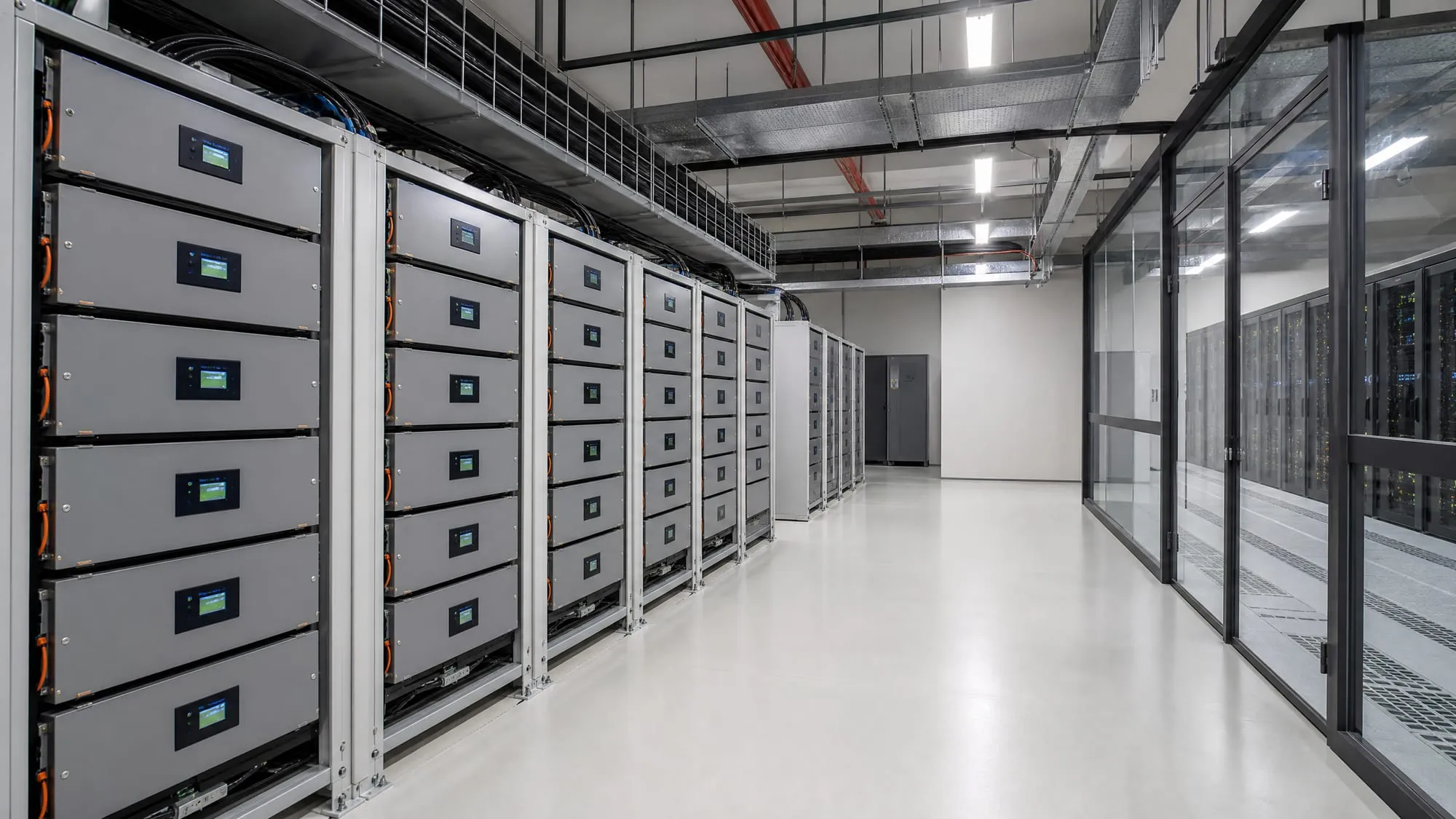
Short answer: In data centers, battery energy storage is used for peak shaving, energy management, integration with on-site solar and extended backup, working alongside the UPS and generators — not as an automatic replacement for them. The design starts from the facility’s redundancy concept, switchover times and load growth.
Why data centers are looking at storage
The International Energy Agency points to fast growth in data center electricity use and to grid-connection constraints as drivers of interest in reliable supply and flexible resources. Where the grid is weak — common in many emerging markets — on-site storage also reduces generator running hours.
What storage can and cannot do
| Role | Storage system can help | Must be coordinated with |
|---|---|---|
| Ride-through of short disturbances | With a suitable design | UPS (primary role) |
| Extended backup time | Yes | Generators, fuel autonomy |
| Peak shaving / demand limits | Yes | Utility contract |
| Solar integration | Yes | PV system, EMS |
| Long-term continuous supply | No, not alone | Grid, generators |
Design approach
- Redundancy concept (N, N+1, 2N) and the facility’s tier target.
- Switchover time each load can tolerate.
- Load growth over the planning horizon.
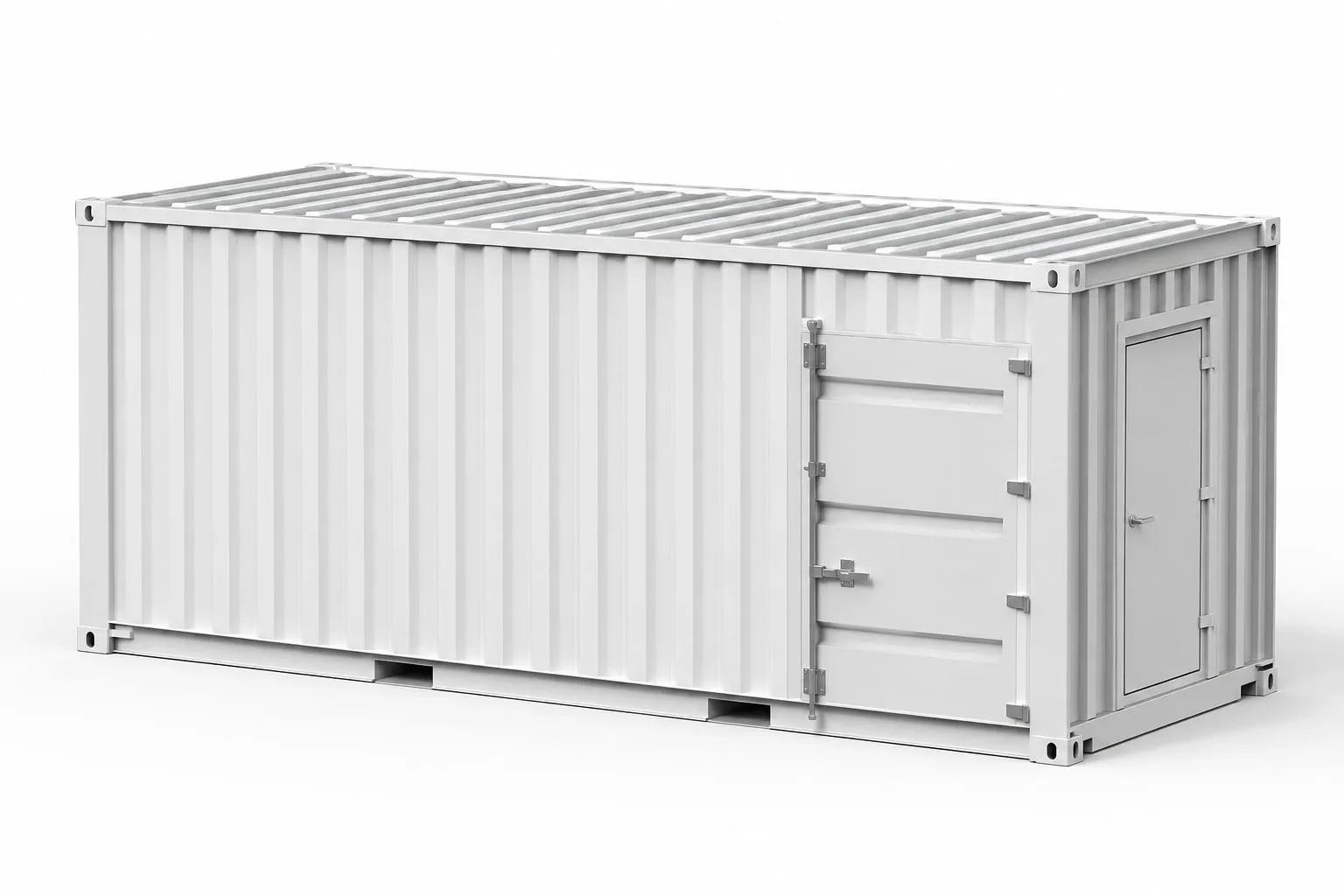
- Battery room or container, fire protection, cooling and maintenance access.
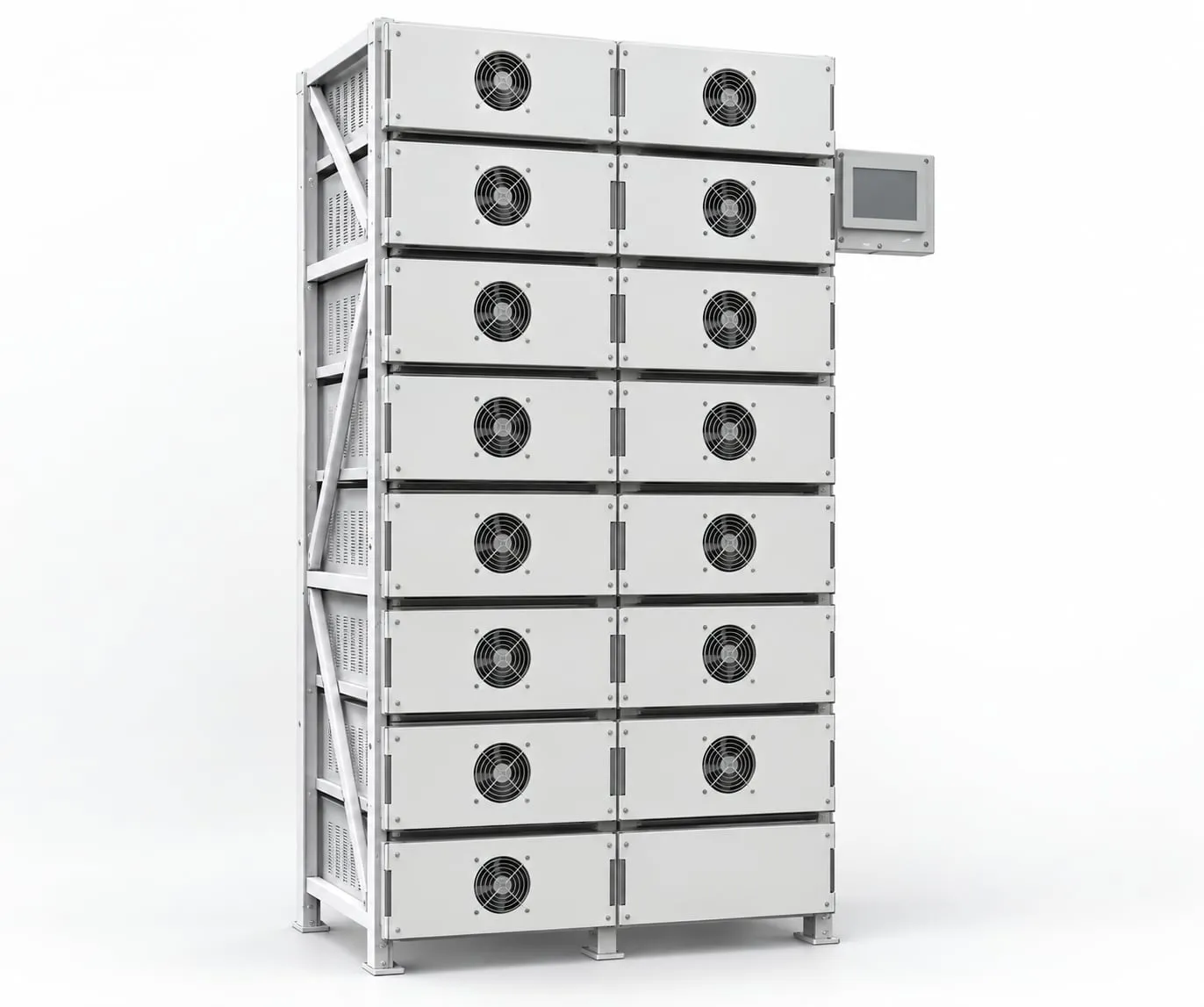
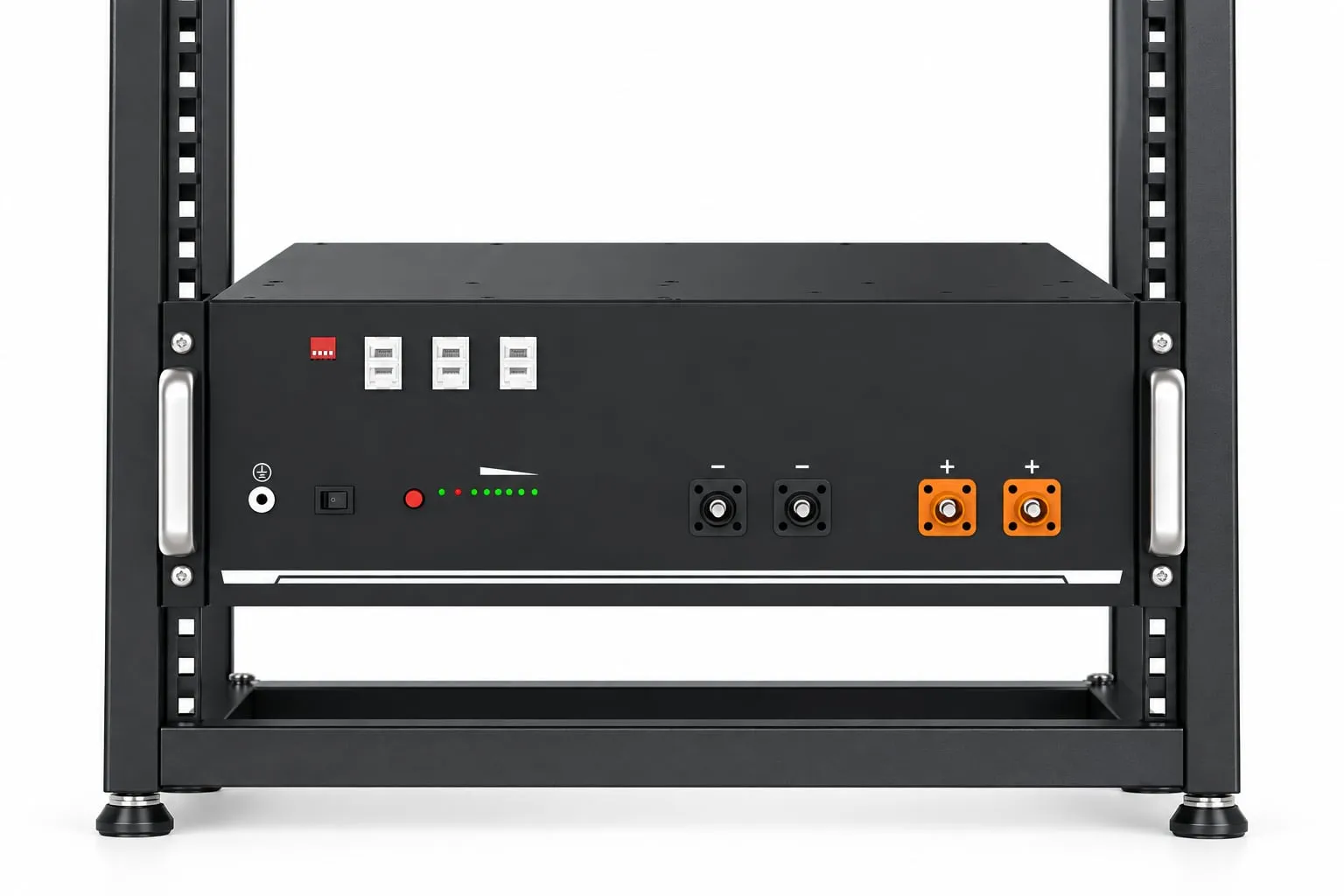
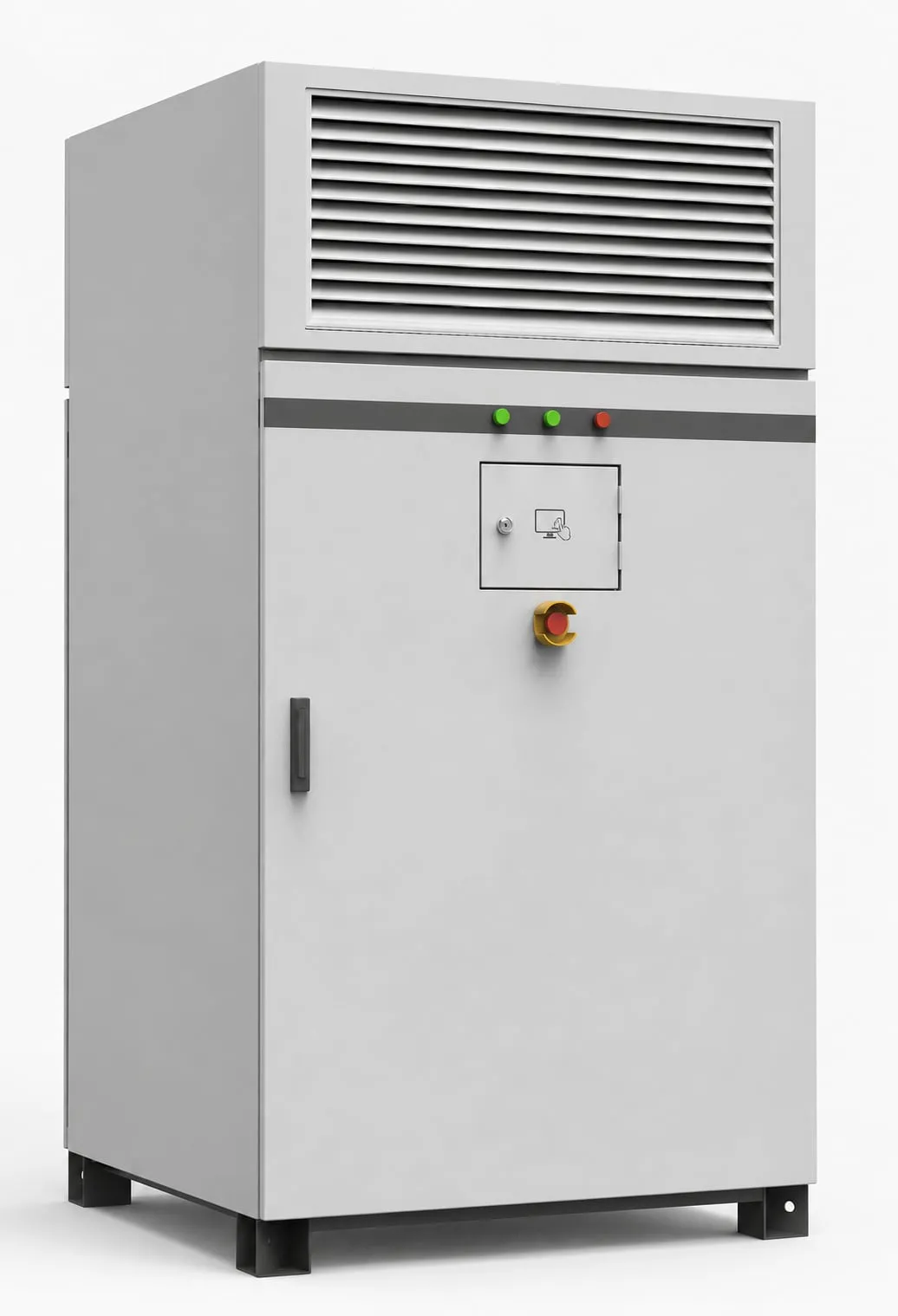
We supply battery racks, modules, PCS and containers, and work with your electrical consultant on the integration.