- Solar PV
- Wattage per project
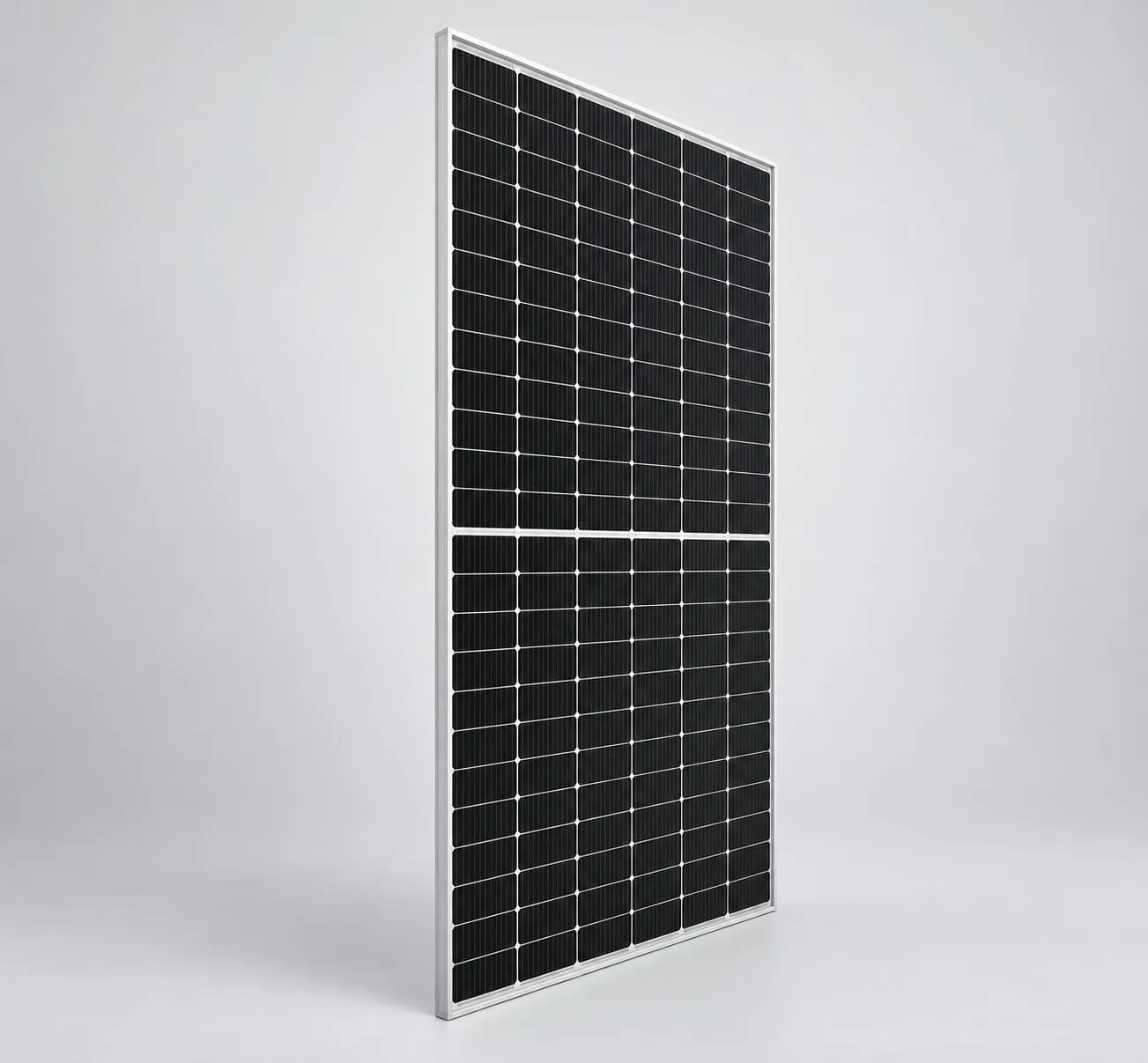
Monocrystalline Solar Panel
Rooftop and ground-mounted arrays that feed hybrid or grid-tied inverters.
View details of Monocrystalline Solar Panel →
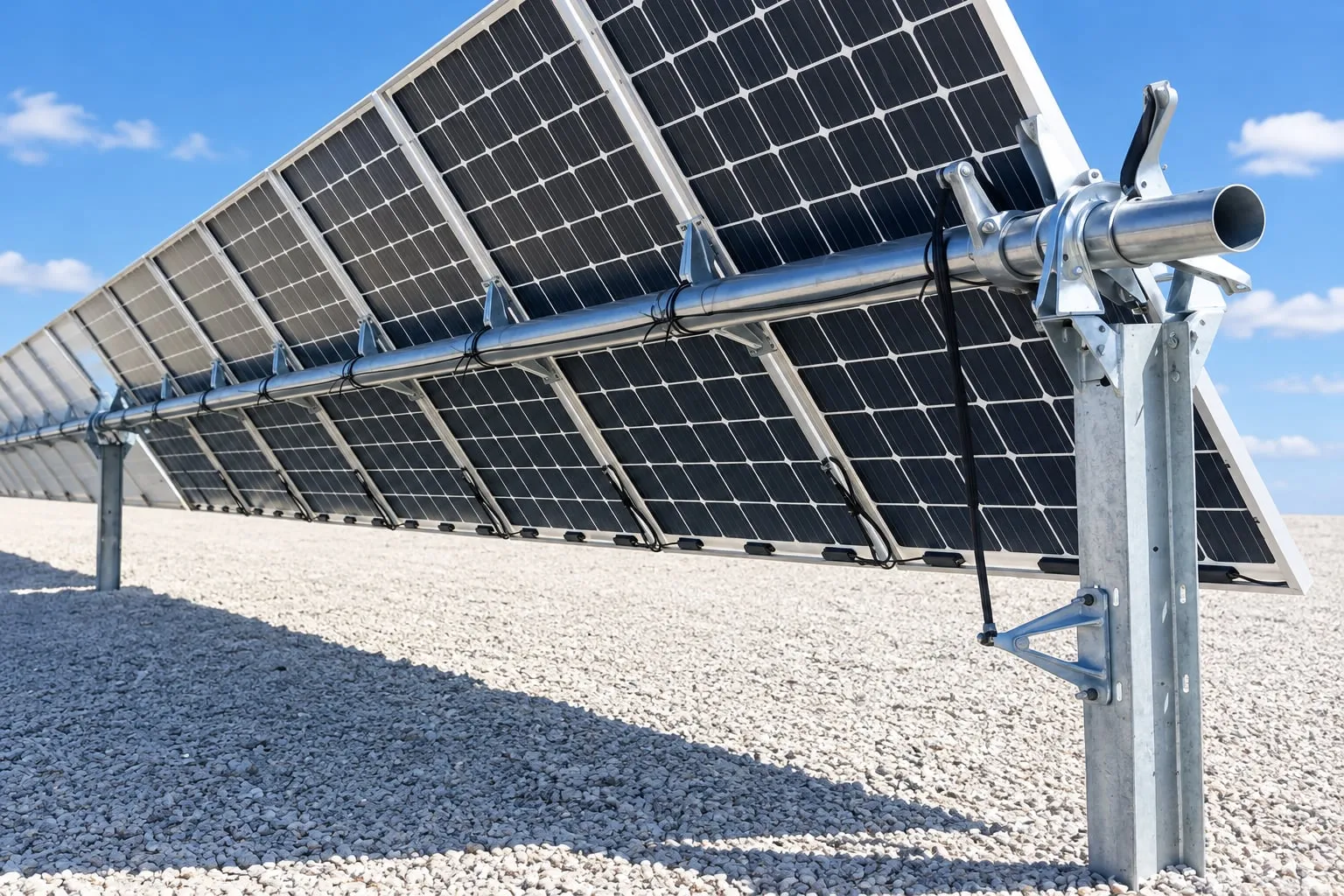
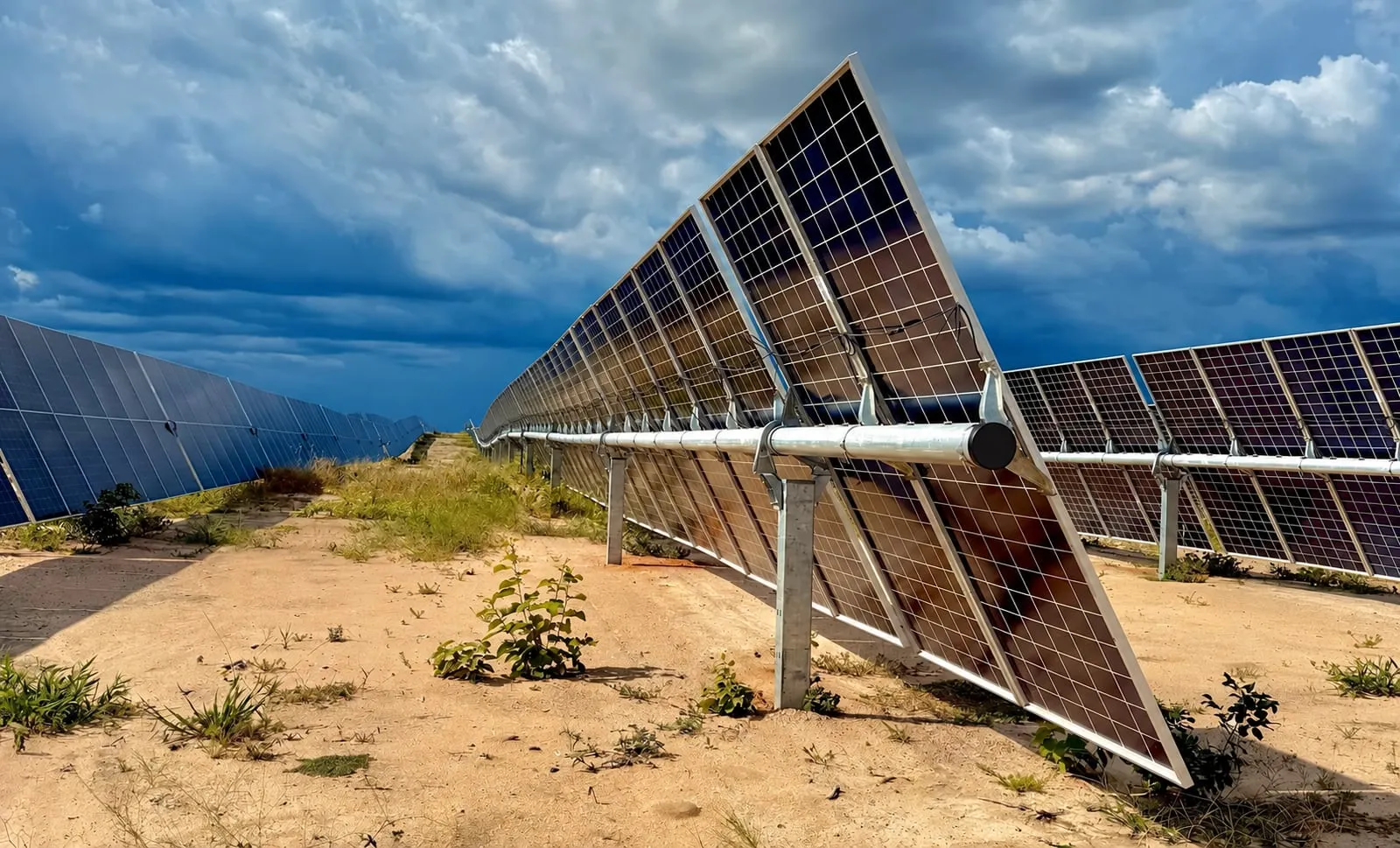
Motorised structures that turn the modules to follow the sun through the day.
Best for: Larger ground-mount plants on flat or gently sloping land.
Trackers rotate the modules east to west during the day, so they face the sun for longer than a fixed frame. The gain is largest at low latitudes with clear skies — conditions common across much of Africa.
We compare tracker and fixed-tilt layouts for the same site so you can see whether the extra energy justifies the extra cost and maintenance.
Our engineers check these points with you, so the quotation fits your site rather than a catalogue default.
Often not. Below a few megawatts the added cost and maintenance usually outweigh the extra yield; fixed tilt is simpler. We show both options when it is close.
The controller turns the rows into a stow position when wind exceeds the set limit. The stow speed and backup power for the controllers are part of the design.
Regular inspection of drives, bearings and controllers, plus spare motors on site for remote plants. It is more than a fixed structure, which is why we compare both options.
Commercial invoice, packing list, bill of lading, the datasheet of each item and the certificates you asked for at quotation stage. Certificates of origin or inspection reports can be added when your importer needs them.
Warranty terms are written into the quotation for each product. Claims start with photos, serial numbers and monitoring data; replacement parts are shipped from China, so we recommend keeping a small spares stock on larger projects.
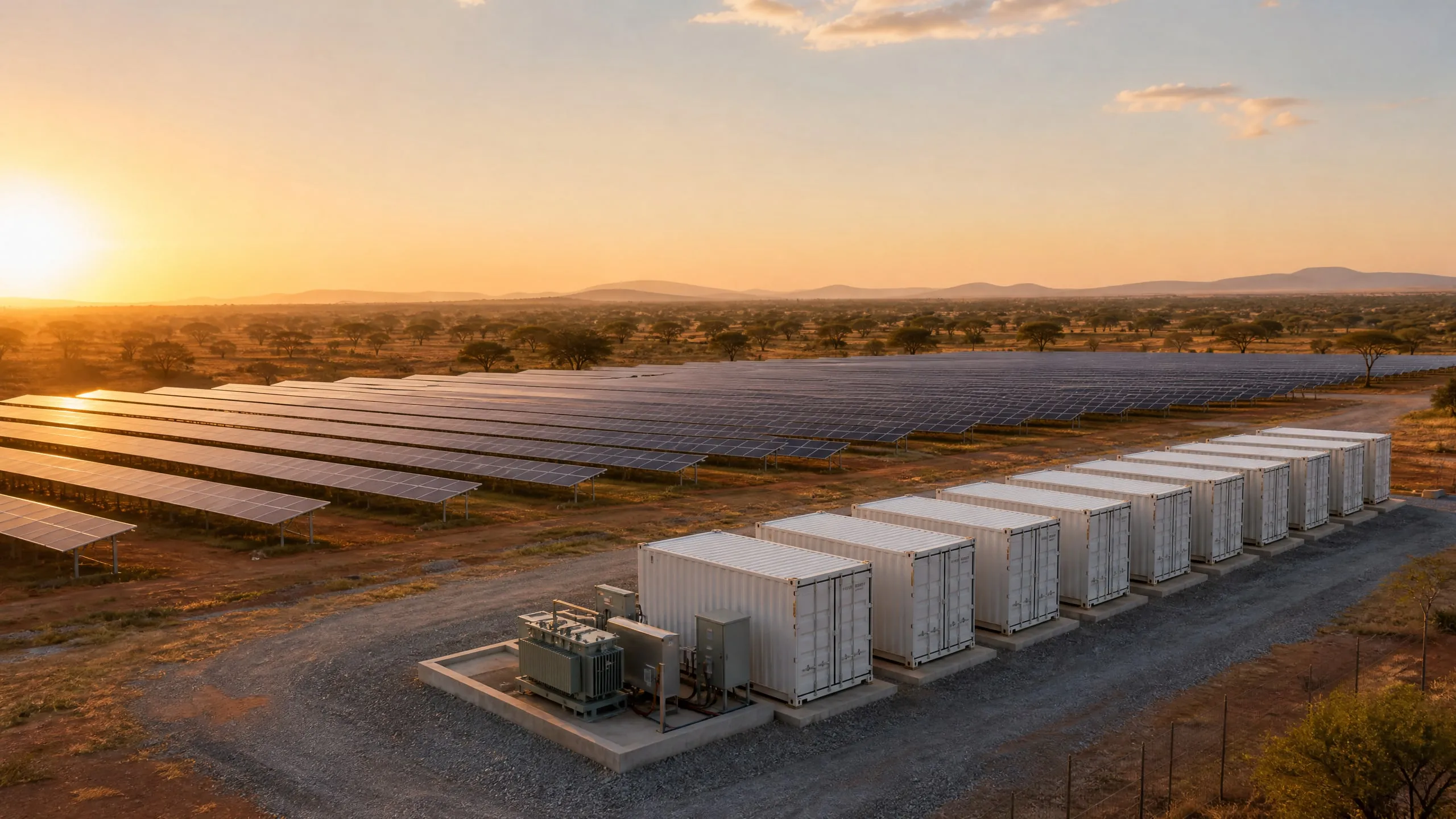
Tell us the application, location and target power or energy. Our engineers reply with a matched configuration and quotation.
Rooftop and ground-mounted arrays that feed hybrid or grid-tied inverters.
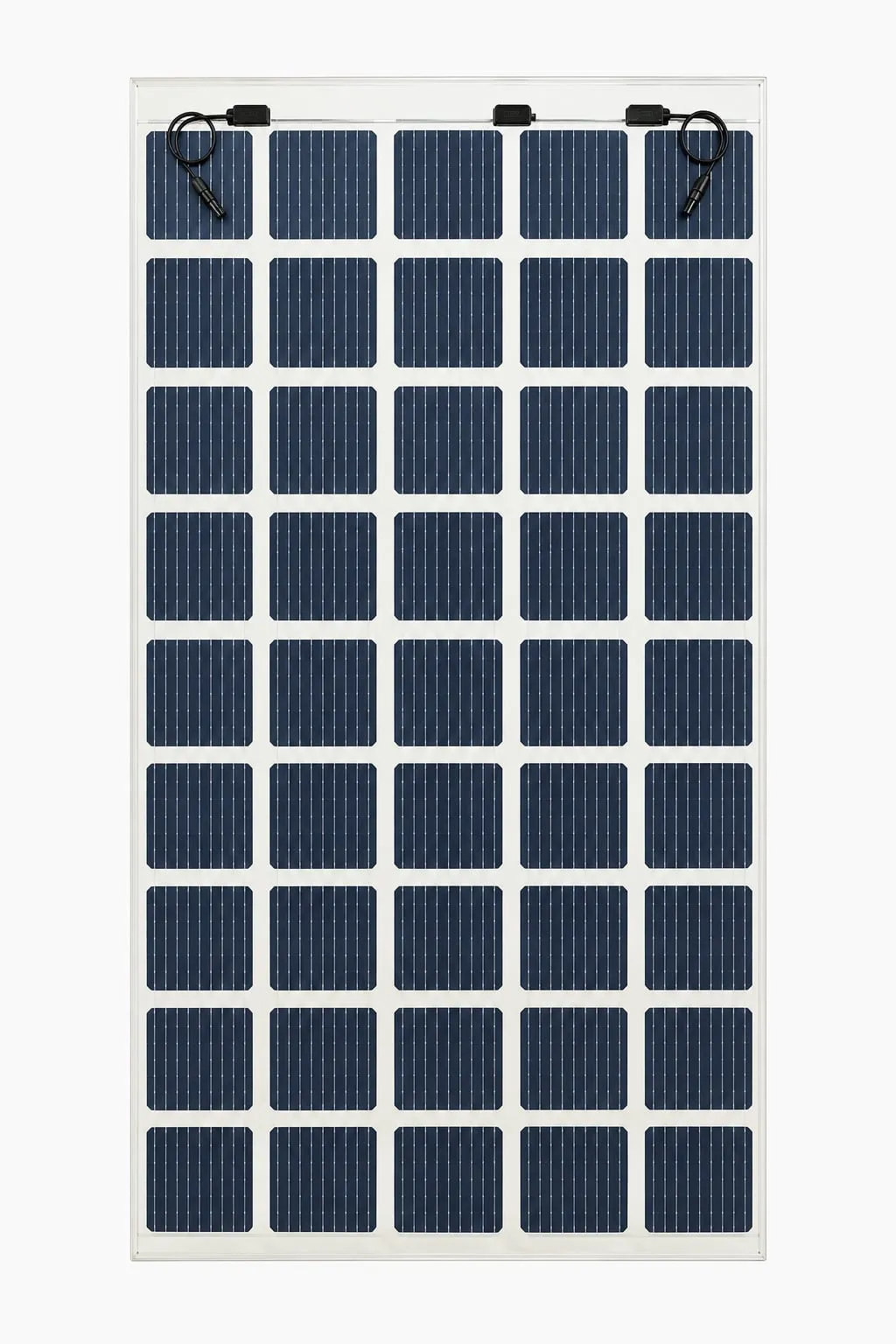
View details of Monocrystalline Solar Panel →Ground-mount and tracker arrays over light-coloured ground.
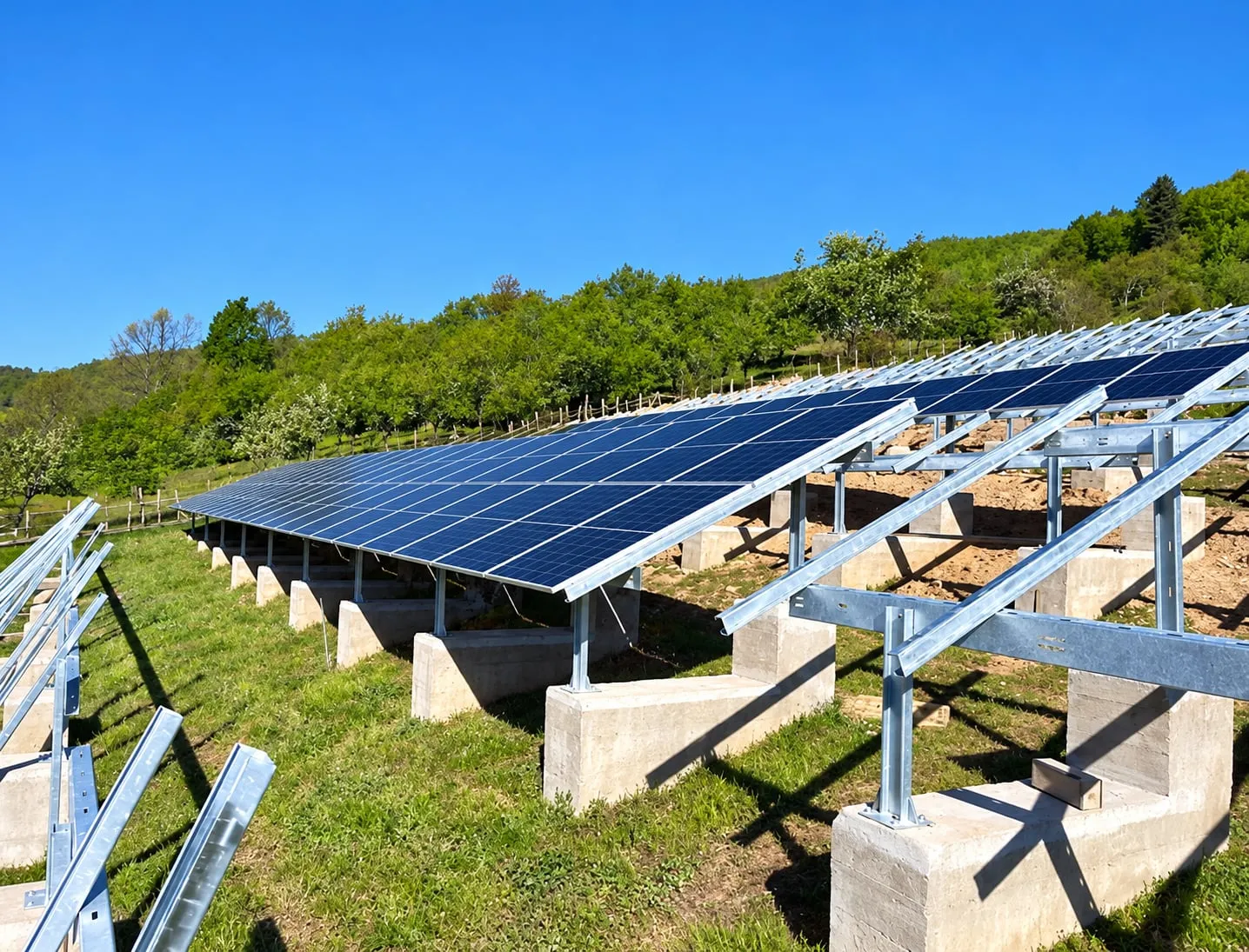
View details of Bifacial Solar Panel →Open-land solar arrays, farms, mines and microgrid sites.
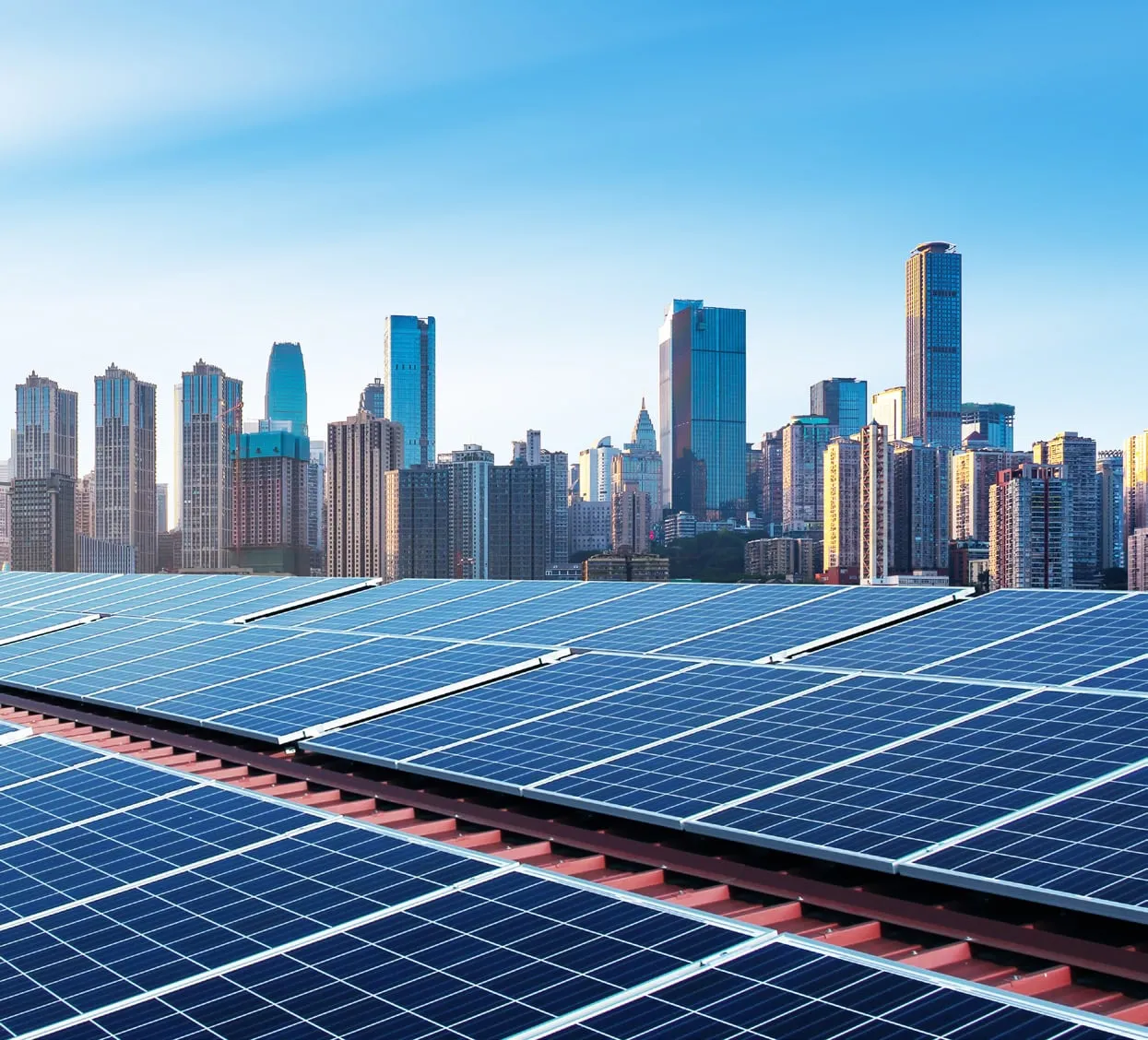
View details of Fixed Ground-Mount Solar Structure →Factory and warehouse roofs, commercial buildings and homes.
View details of Rooftop Solar Mounting System →