Short answer: A solar battery’s price is driven by usable capacity (kWh), chemistry and cycle life, and what is included: BMS, enclosure, inverter compatibility, certification and warranty. Shipping, import duty and installation come on top. Compare quotes on cost per usable kWh and cost per cycle, not on the headline price. We do not publish prices on this page — they depend on the model, quantity and destination — but this is how to read any quote.
What is in the price
| Item | Why it changes the price |
|---|---|
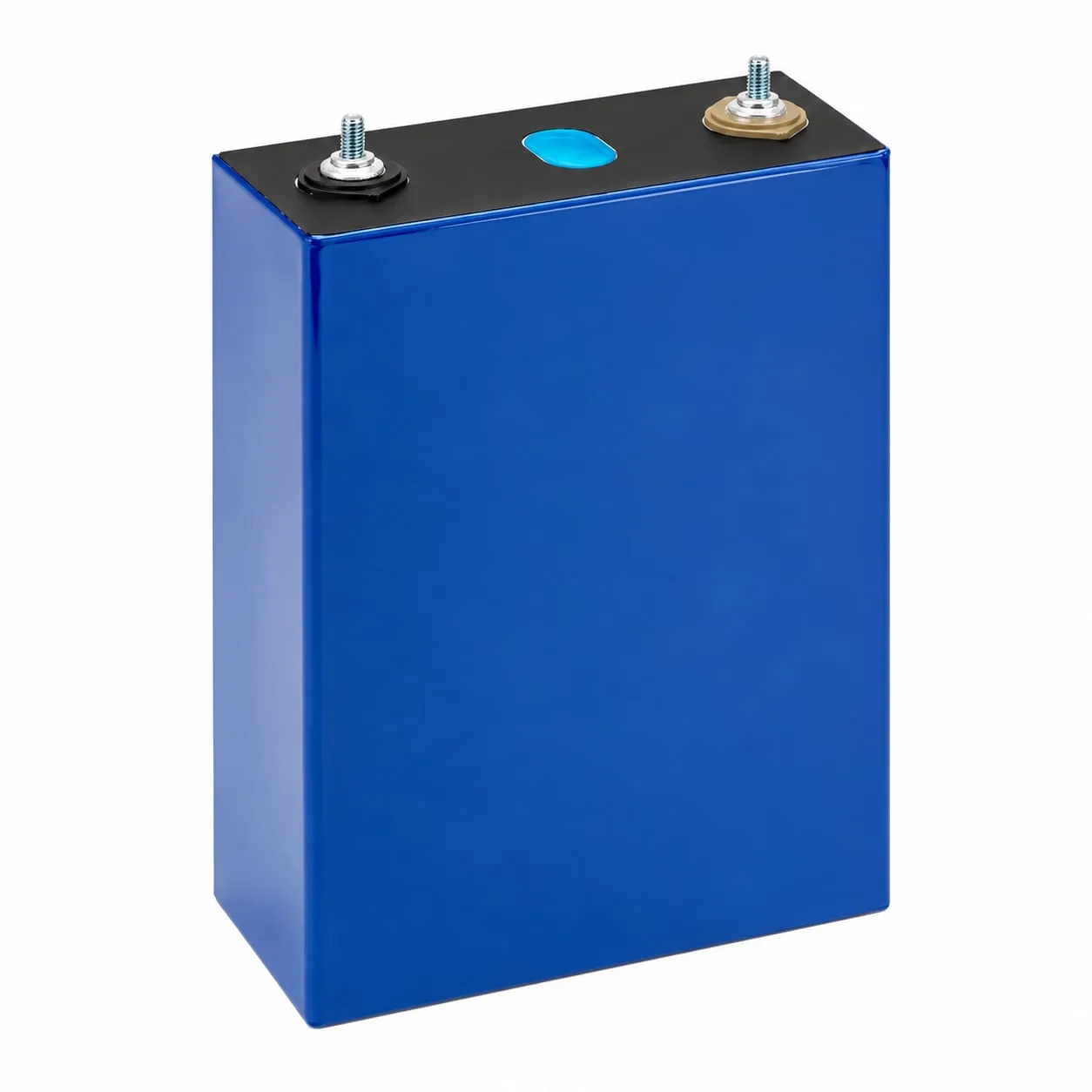
| Cells (LiFePO4) | The biggest share; grade, brand and cycle rating differ |
| BMS and protection | Communication with the inverter, balancing, temperature and short-circuit protection |
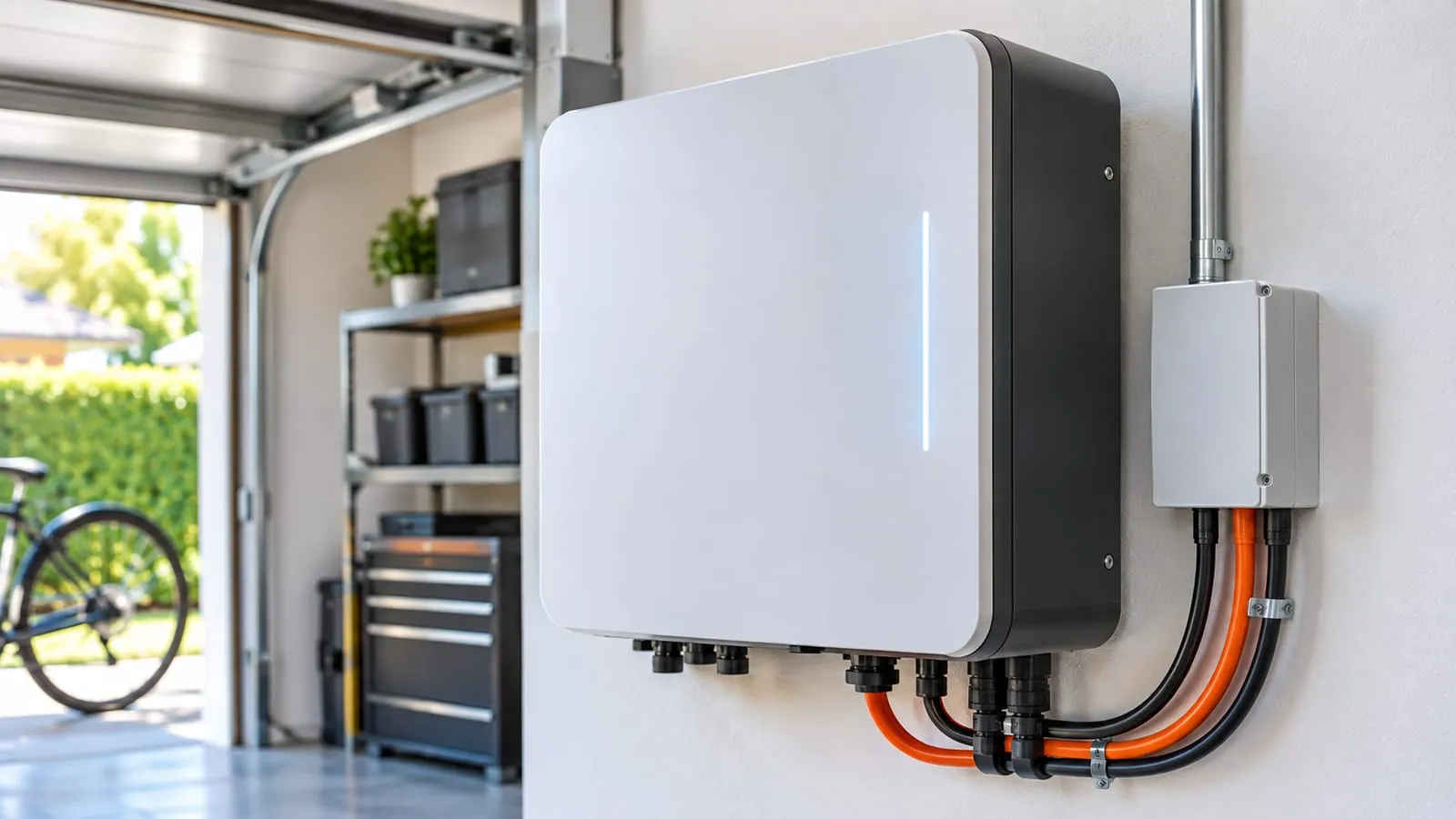
| Enclosure and mounting | Wall unit, rack, stackable tower or outdoor cabinet; IP rating |
| Certification | Test reports and marks (CE / IEC / UL / UN38.3 vary by model) add cost but are needed for import and insurance |
| Inverter pairing | Some inverters accept only listed batteries |
| Packing and export | Lithium batteries ship as dangerous goods (UN3480 / UN3481), with approved packaging |
| Warranty | Years and cycles covered, and conditions |
Four ways to compare fairly
- Usable kWh, not nominal: 10 kWh nominal at 90 % usable is 9 kWh.
- Cycle life at a stated depth of discharge: thousands of cycles at 80 % is not the same as thousands at 100 %.
- Warranty text: years, throughput (MWh) or cycles, capacity left at the end (often 60–70 %), and who pays shipping for a claim.
- Landed cost: price delivered to your port plus duty, clearing, inland transport and installation.
Why quotes differ so much
- Different cell grades and BMS quality.
- Nominal vs usable capacity quoted.
- Missing items (cables, communication cable, brackets, shipping).
- Warranty written differently — or not at all.
A cost-per-kWh calculation you can copy
Cost per usable kWh = price ÷ (nominal kWh × usable depth of discharge) Cost per delivered kWh over the life = price ÷ (nominal kWh × depth of discharge × cycles)
Illustrative example (replace P with your own quote):
| Battery A | Battery B | |
|---|---|---|
| Price | P | 0.8 × P |
| Nominal kWh | 10.24 | 10.24 |
| Usable depth of discharge | 90 % | 80 % |
| Rated cycles at that depth | 6,000 | 3,500 |
| Cost per usable kWh | P ÷ 9.2 | 0.8P ÷ 8.2 |
| Cost per delivered kWh | P ÷ 55,300 | 0.8P ÷ 28,700 |
Battery B is 20 % cheaper to buy but costs about 40 % more per delivered kWh. This is why you compare cycles and depth of discharge, not only price.
Quote comparison template
Ask every supplier to fill the same table:
| Line | Supplier 1 | Supplier 2 | Supplier 3 |
|---|---|---|---|
| Model and cell maker | |||
| Nominal / usable kWh | |||
| Rated cycles at stated depth | |||
| Maximum continuous charge / discharge current | |||
| Communication cable and protocol included? | |||
| Certificates and test reports of this model | |||
| Warranty: years, cycles, end-of-life capacity | |||
| Packing, Incoterm and named port | |||
| Lead time |
Hidden costs to ask about
- Dangerous-goods surcharges on sea freight for lithium batteries.
- Insurance and the deductible if a pallet is damaged.
- Duty and taxes at your destination, which differ by product classification.
- Inland transport from port to site and offloading equipment.
- Spare parts and a replacement unit for the warranty period.
- Commissioning and training.
How prices move
Cell prices have fallen strongly over the past decade according to international energy agencies, but quotes for finished batteries still vary with cell grade, BMS quality, certification and order size. Treat any single price you read online as a starting point for a conversation, not a benchmark.
Order in stages
- Ask for datasheets and certificates and compare them with the sample.
- Order one or two units and test them with your inverter.
- Place a mixed pallet, then a container once field performance is confirmed.
See also how to choose a solar battery supplier in China and the quote checklist.
Ordering tips
- Ask for the datasheet, the UN38.3 summary and the certificate of the exact model.
- Ask what warranty claims look like in practice, in your country.
- Order a sample before a container if the supplier is new.
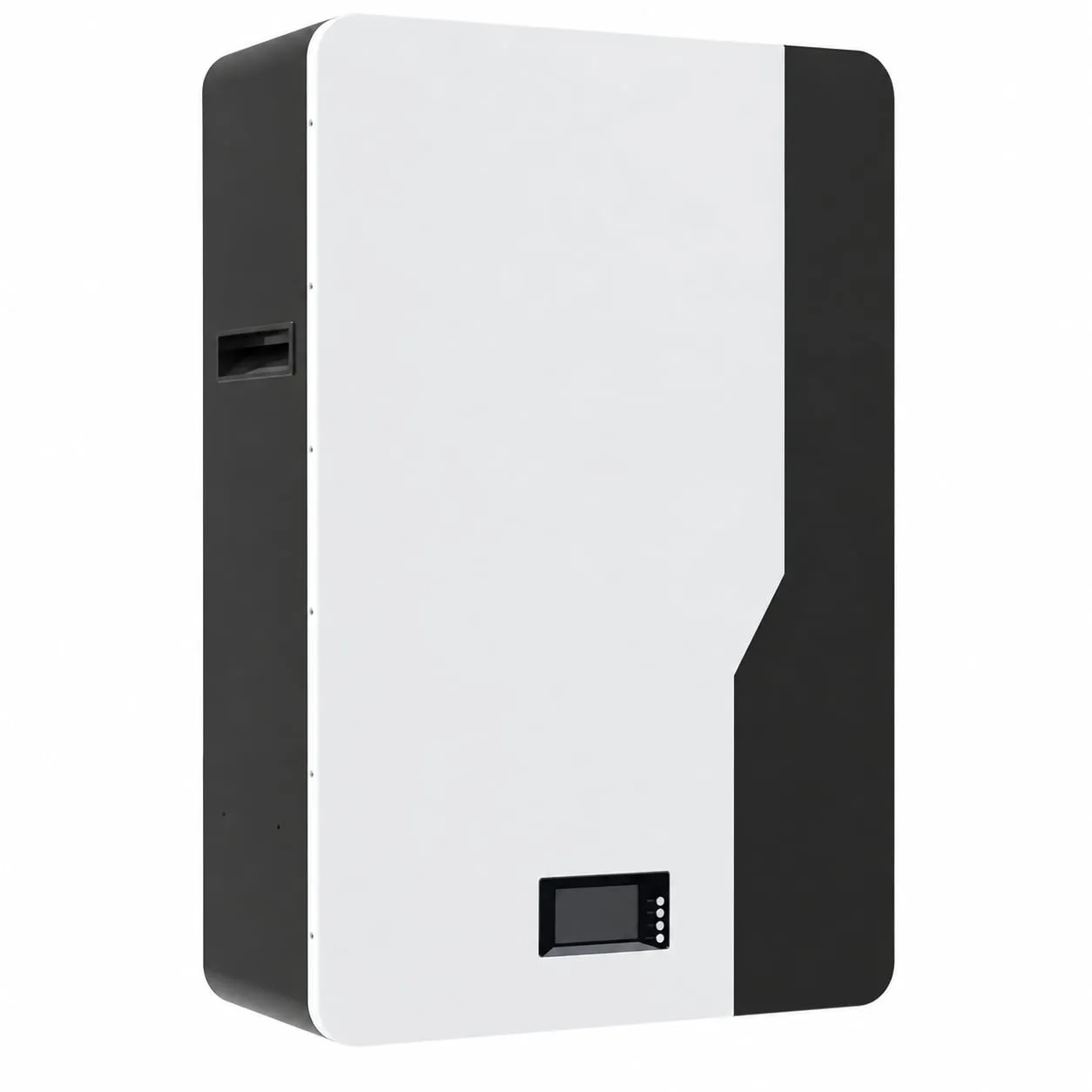
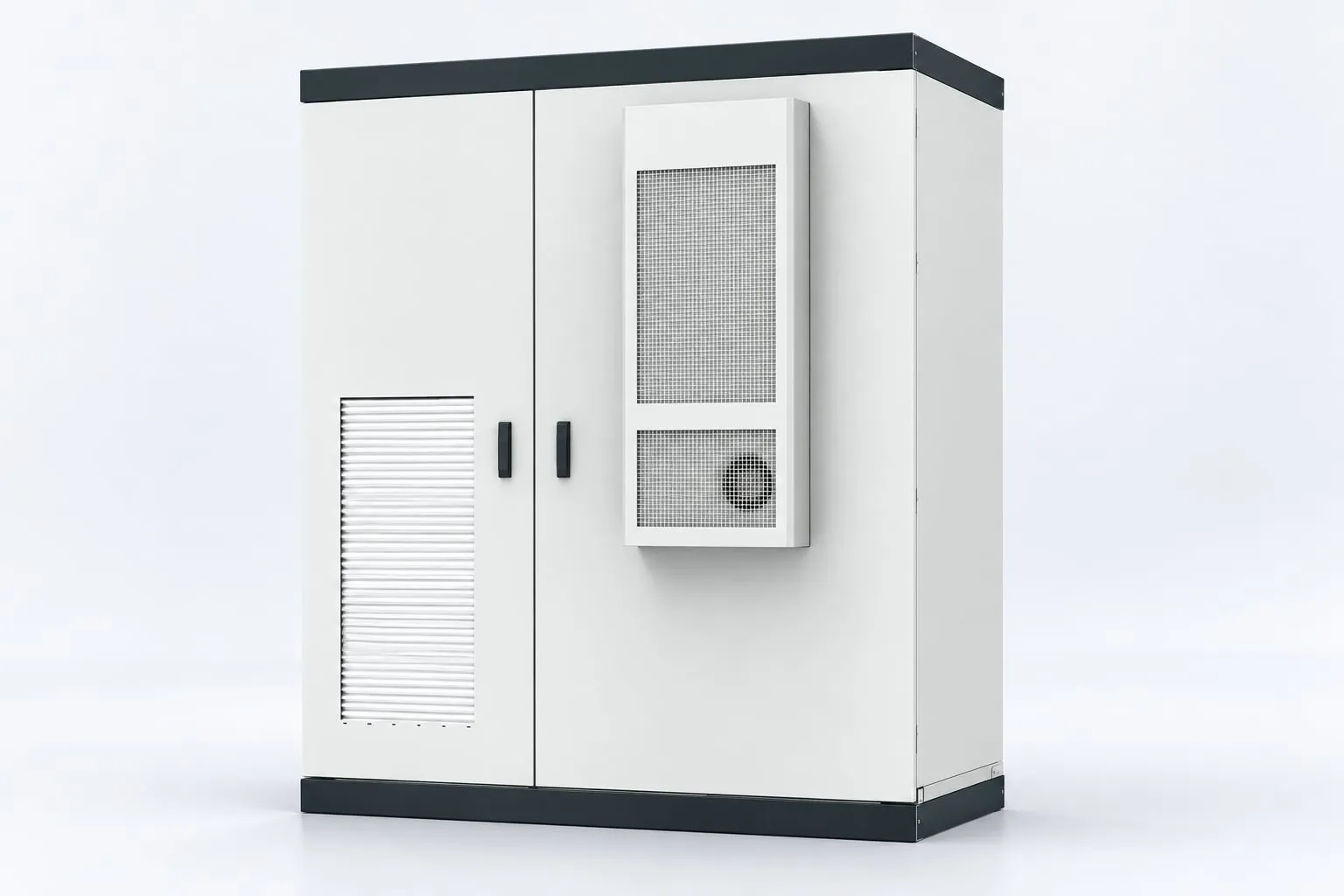
See our home batteries (wall-mounted, stackable) and commercial storage cabinets, or send us your project for a written quote.