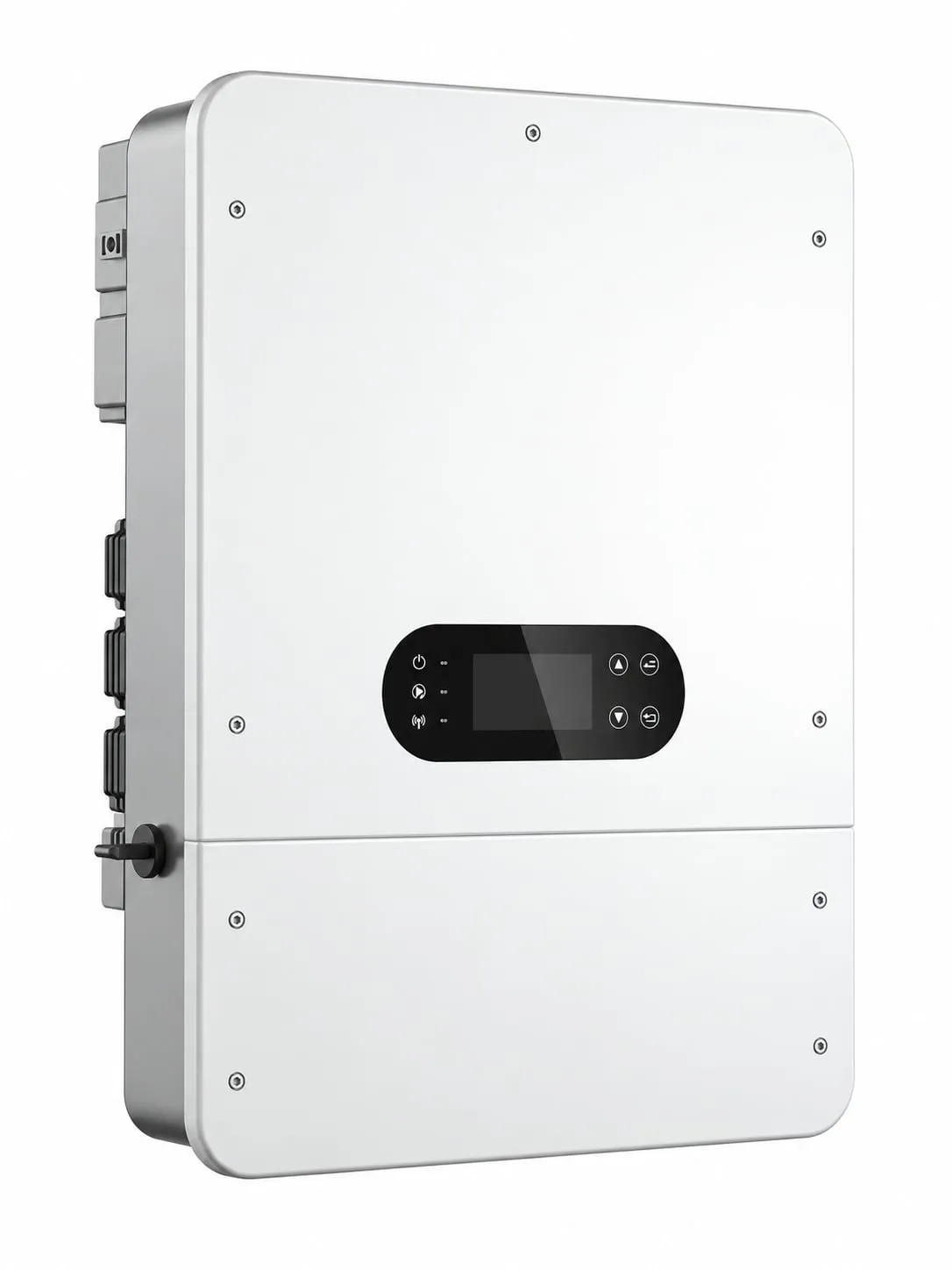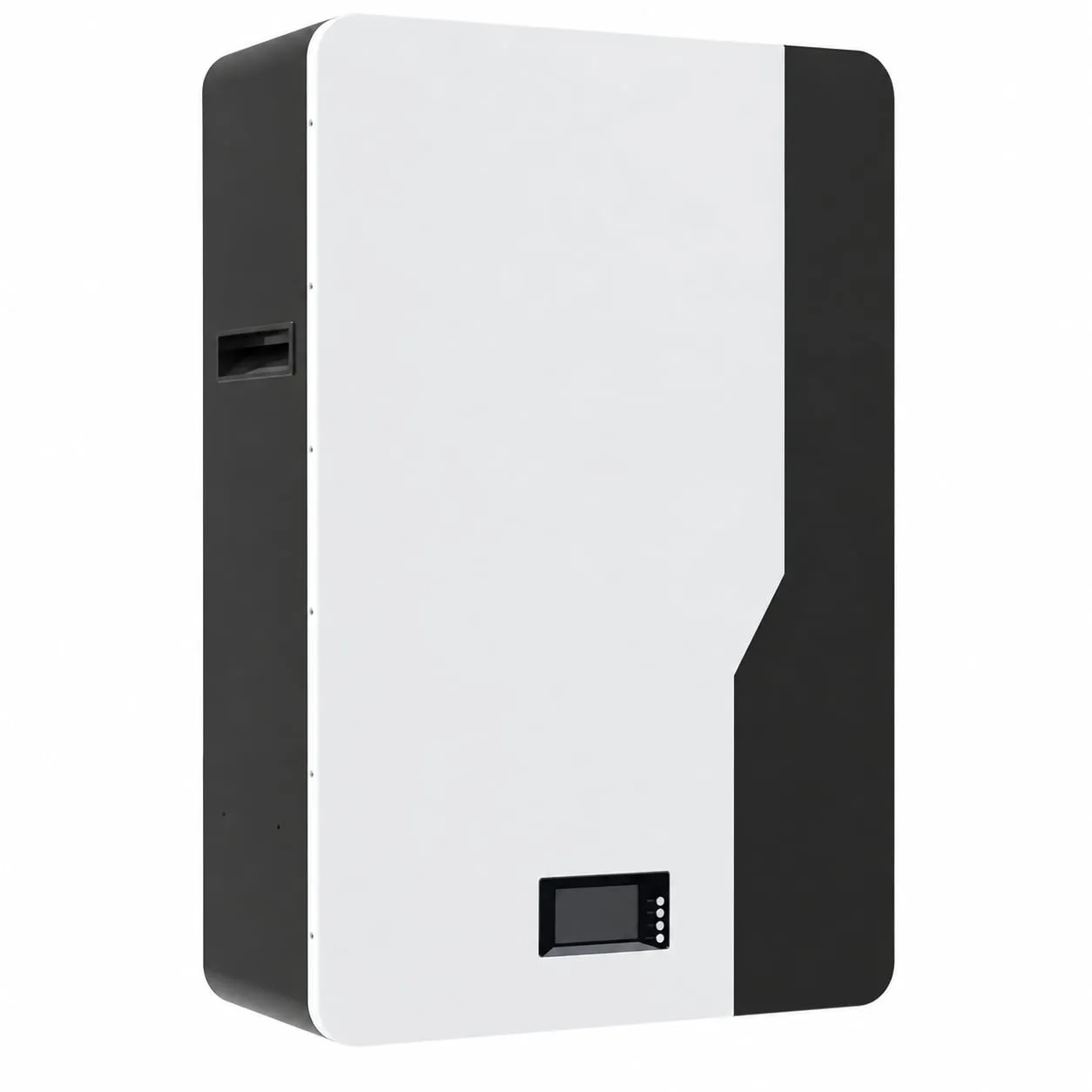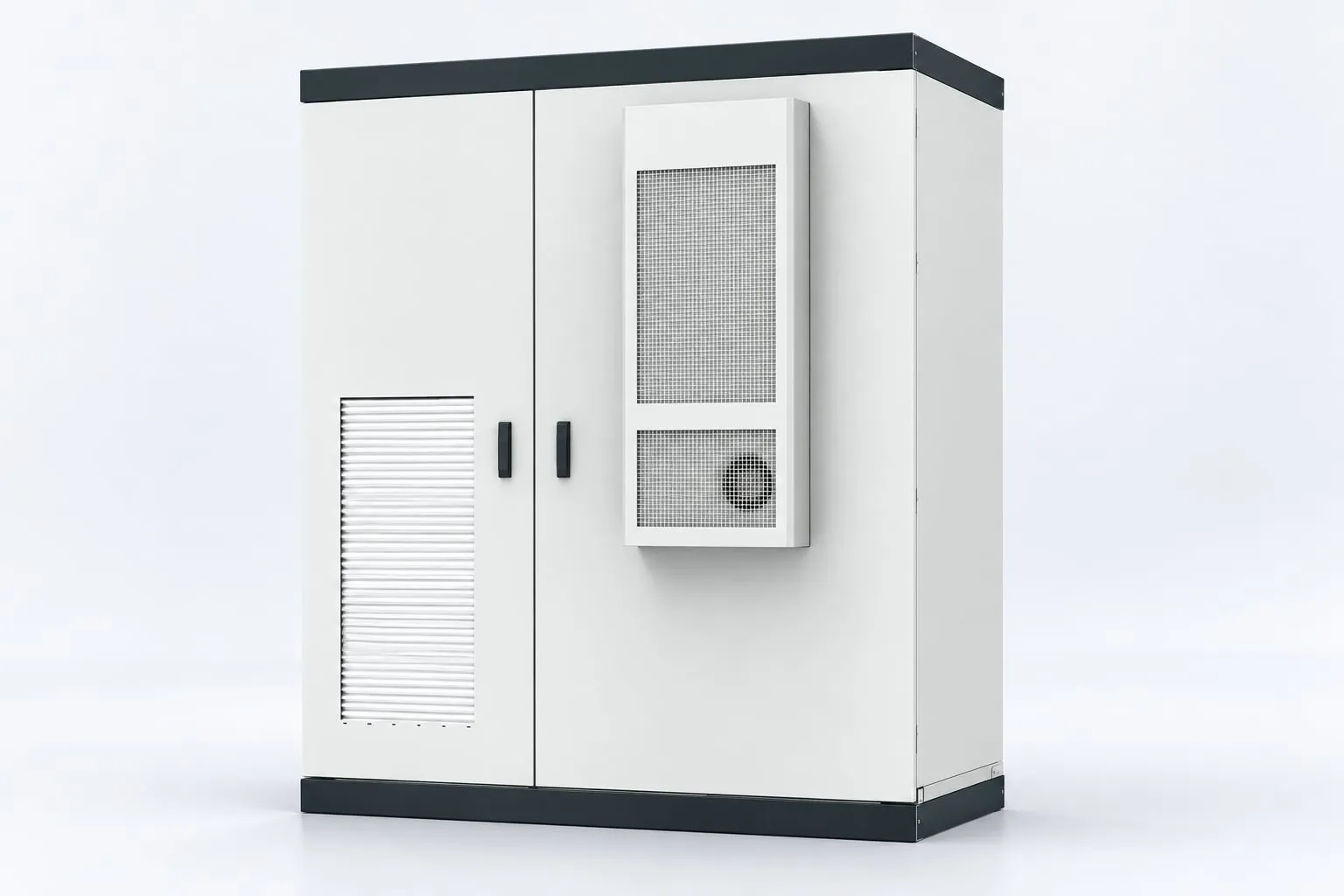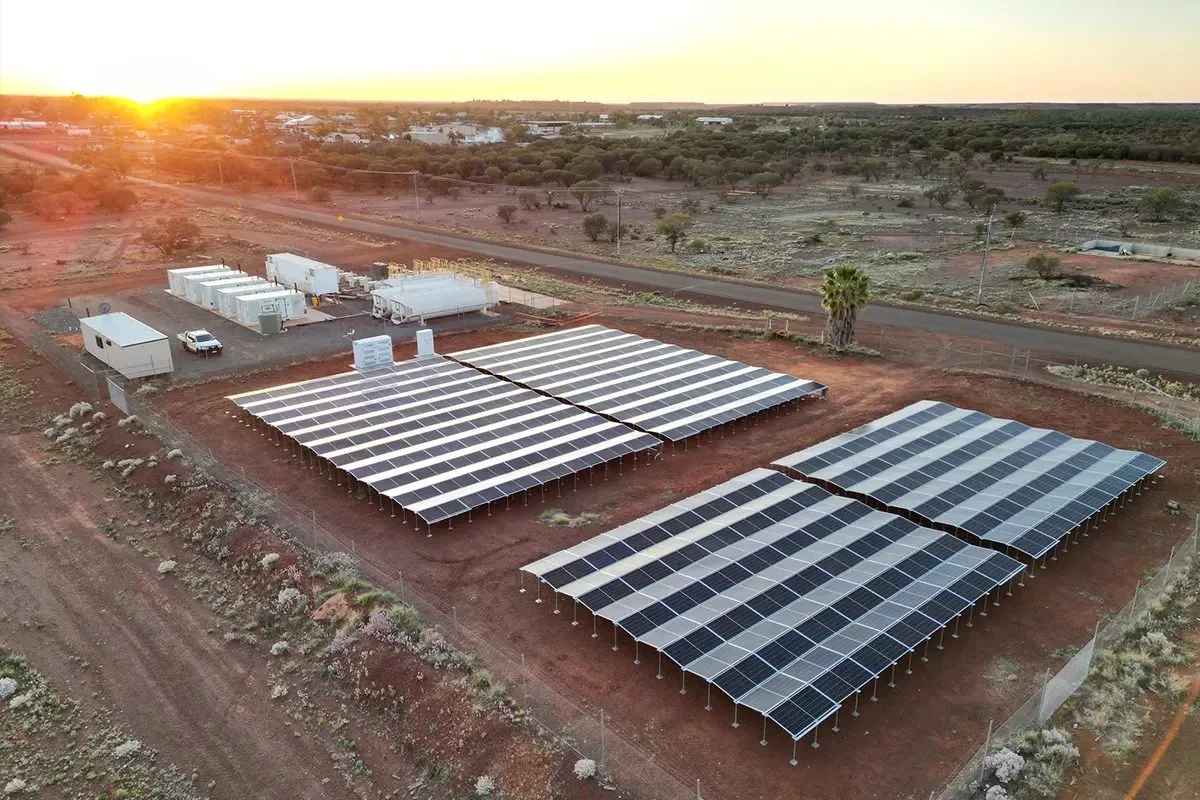
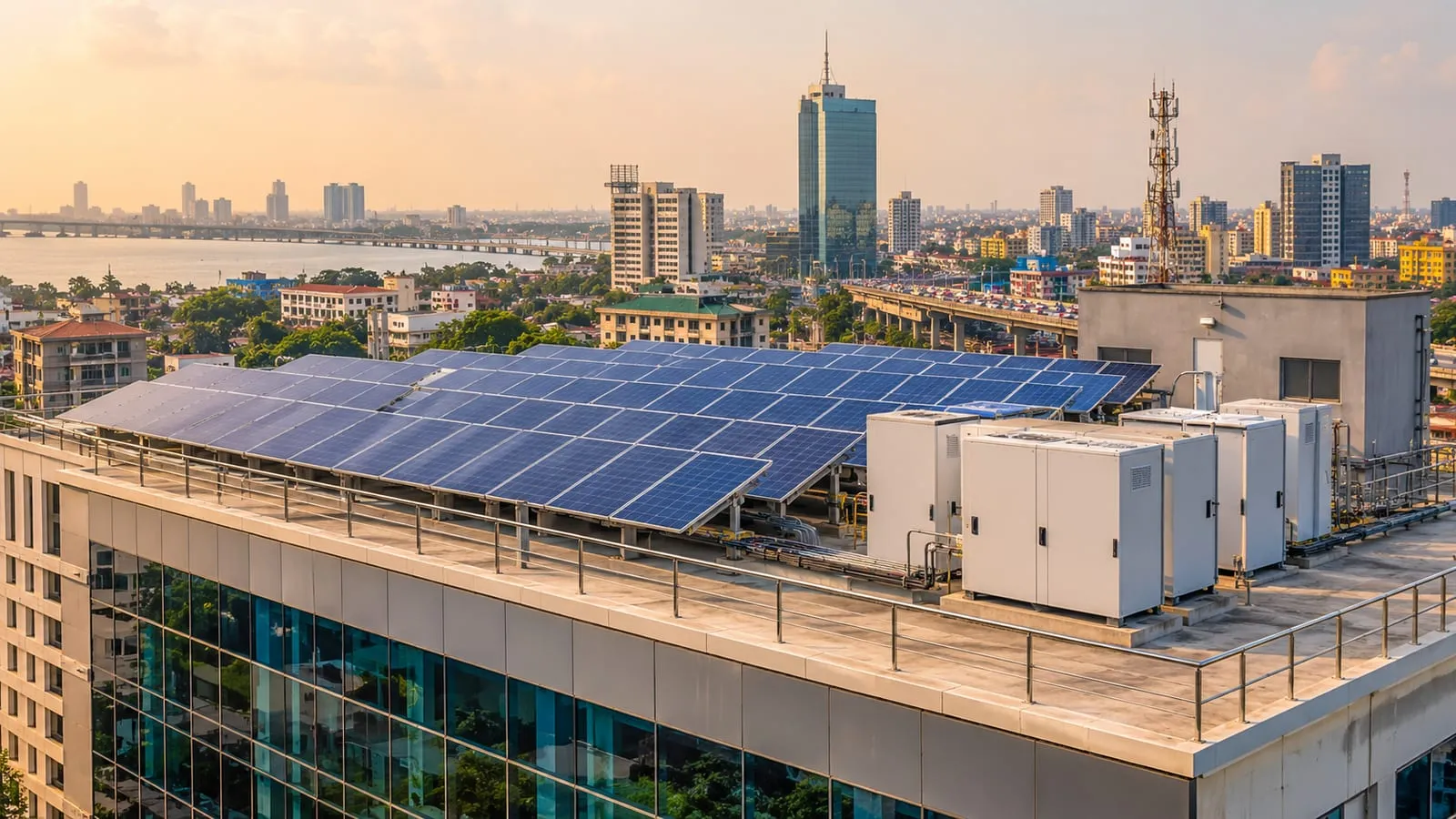
Short answer: In Nigeria the case for solar plus batteries is mostly about replacing or reducing generator use where the grid is unreliable. The typical package is a hybrid inverter, a 48 V LiFePO4 battery and PV modules for homes and shops, commercial storage cabinets for factories, and solar-diesel hybrids for remote sites. We ship from Shenzhen; the grid is 230 V, 50 Hz, so inverters and appliances match standard Chinese export models.
Who buys and what
| Customer | Typical system | Why |
|---|---|---|
| Installers and distributors | 3–10 kVA hybrid inverters, 5–15 kWh batteries, pallets | Resell to homes and small businesses |
| Shops, clinics, small factories | 10–100 kW PV with commercial battery cabinets | Cut diesel and petrol spend, keep production running |
| Estates and farms | Solar-diesel hybrid with a controller | Generator runs only when needed |
| Telecom and remote sites | Off-grid solar with battery autonomy | No grid or an unreliable one |
Conditions to design for
- Heat and dust: keep batteries in shade with ventilation; clean arrays regularly.
- Frequent short outages: size the battery for the evening and critical loads; keep surge in mind for pumps and air conditioners.
- Voltage quality: a hybrid inverter with wide input tolerance helps where the grid fluctuates.
- Security: wall batteries inside, locked cabinets outside, and mounting that deters theft.
Use our diesel generator cost calculator to see what your generator really costs per kWh.
Shipping and import
- Main sea gateways are the Lagos ports; confirm which one your clearing agent prefers.
- Lithium batteries ship as class 9 dangerous goods with a UN38.3 test summary and SDS; we prepare the documents.
- Customs duty, standards and inverter approvals change; ask your clearing agent and the relevant authority for current requirements before ordering.
- We agree packing, Incoterms and delivery responsibility in the quotation.
A worked example: a Lagos shop
A pharmacy with a fridge, lights, two computers, a router and a split air conditioner. The air conditioner is the question.
| Load | Power | Hours of backup |
|---|---|---|
| Fridge | 0.15 kW average | 12 |
| Lighting | 0.2 kW | 12 |
| Computers + router | 0.25 kW | 12 |
| Split air conditioner (1 hp, inverter type) | 0.8 kW | 4 |
| Energy | about 9.2 kWh |
Battery: 9.2 ÷ 0.9 ÷ 0.95 ≈ 10.8 kWh, so two 5.12 kWh batteries plus a 5 kVA hybrid inverter (about 4 kW) with margin for the compressor start-up. PV of 3–4 kW refills it in a good day.
Questions we ask a Nigerian buyer
- Is this for your own site or for resale to installers?
- How many hours of outage per day do you really see, and what is the voltage like when the grid is on?
- Is there a generator, and do you want to keep it?
- Is the roof or the ground the better place for panels, and how secure is the site?
- Which brand or model of inverter do your installers already know?
Field problems to design for
- Dust (harmattan season): sealed enclosures, cleaned filters on air-cooled units, a cleaning schedule for panels.
- Voltage spikes and low voltage: an inverter with a wide AC input window, surge protection devices and good earthing.
- Heat: batteries in a shaded, ventilated room; avoid putting them beside the generator.
- Theft: locked cabinets, anti-theft fasteners, mounting out of reach, and a plan for rooftop panels.
- Generator interaction: a transfer switch or an inverter that can accept a generator input, never a back-feed.
Documents to prepare for clearing
- Commercial invoice, packing list and bill of lading.
- UN38.3 test summary and safety data sheet for lithium batteries.
- Any import permits or conformity certificates your clearing agent says apply to inverters and batteries today.
Typical delivery sequence: factory test → export packing → sea freight to Lagos → clearing → inland transport → commissioning with your installer. Agree in the quotation who owns each step.
Read next: solar battery cost: what drives the price and the West Africa overview.
Distributor starter checklist
- Two inverter sizes and two battery sizes, with cables and brackets.
- A short installer training in your language.
- A warranty policy and advance replacement stock.
- A spares kit for dust and surge problems.
- A list of commonly asked questions from customers, to improve your guides.
What to send for a quote
- Load list or recent electricity and fuel bills.
- Hours of backup you want, and whether a generator already exists.
- Roof or ground area and any shading.
- Whether you buy for your own site or for resale.
Start with turnkey project support or contact us.