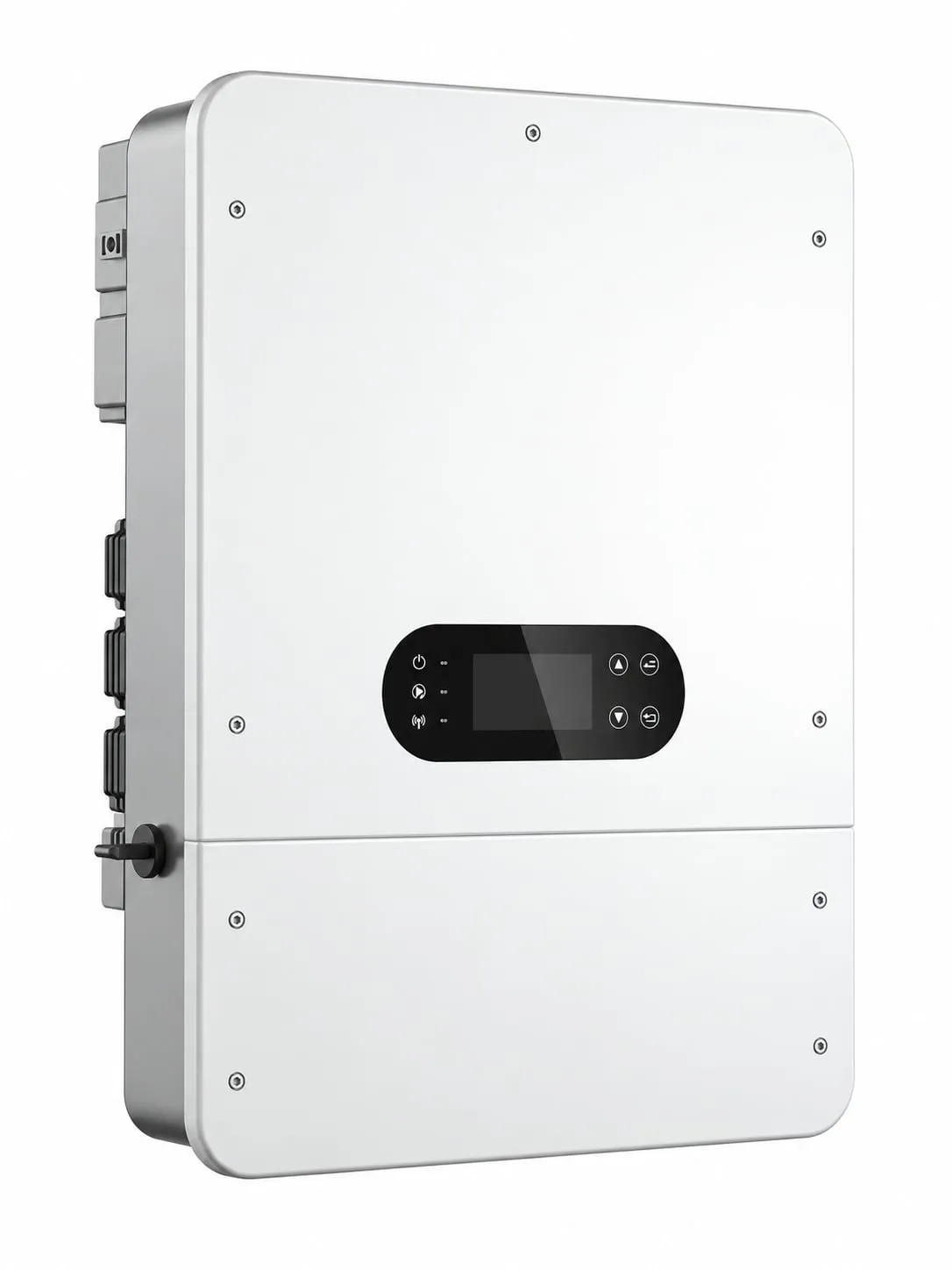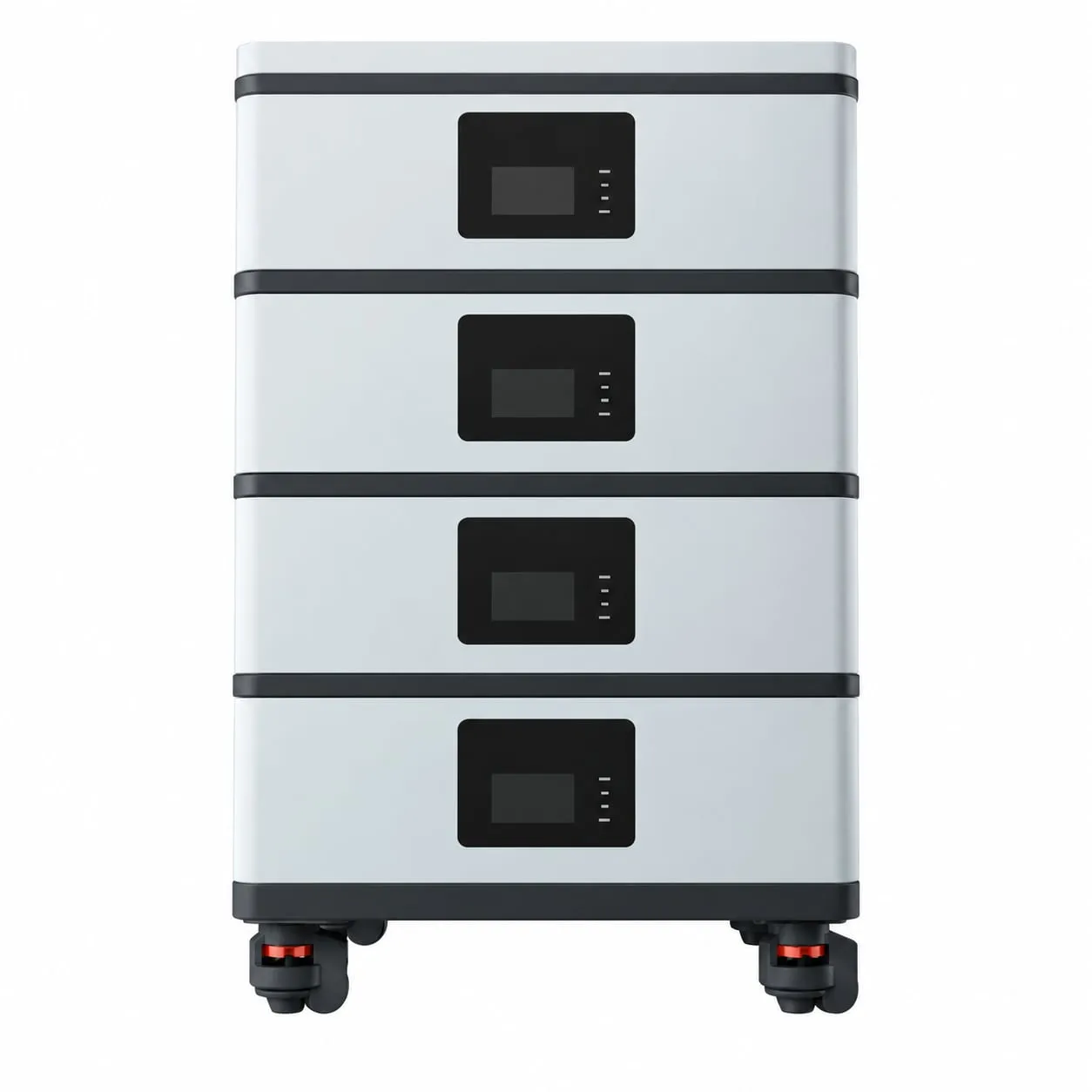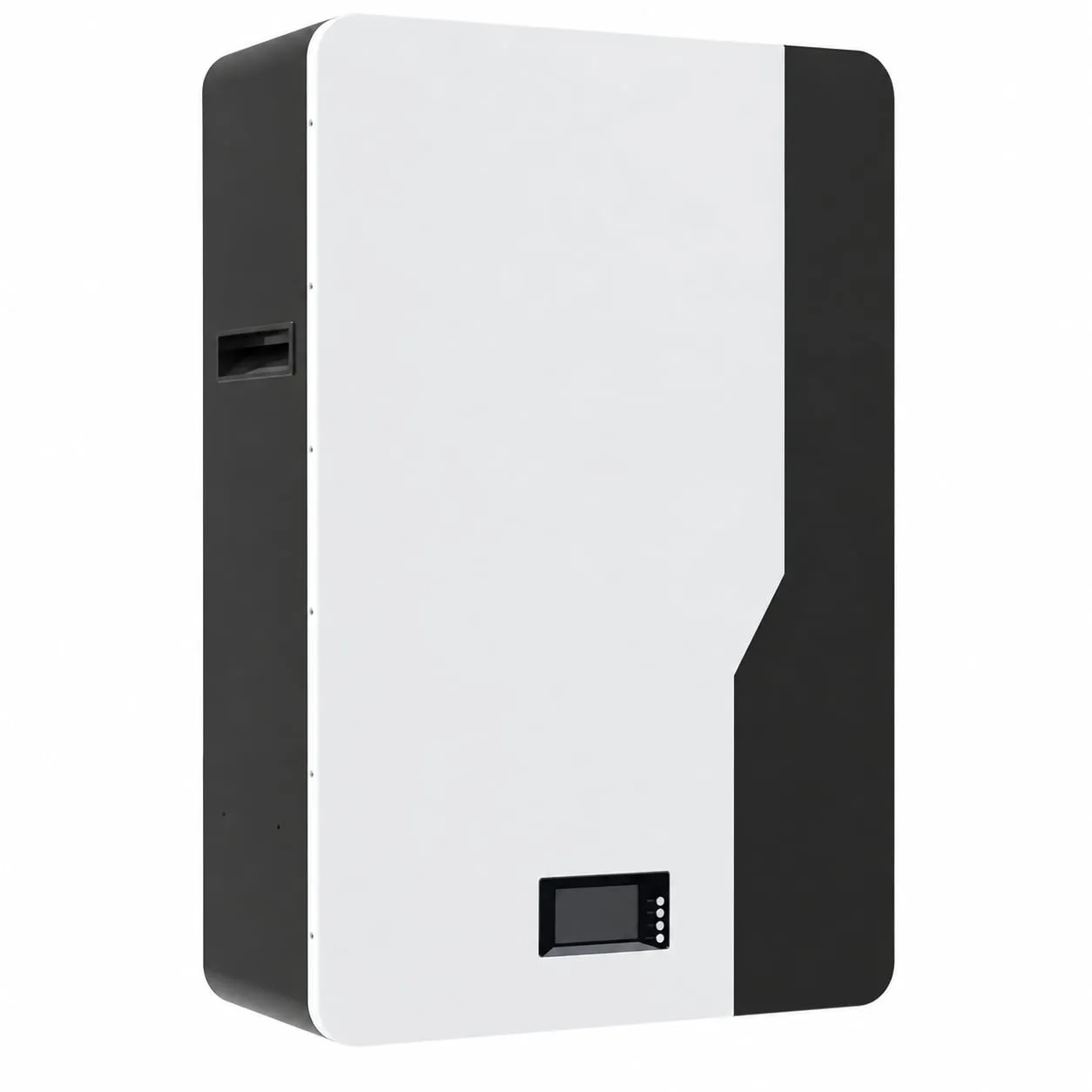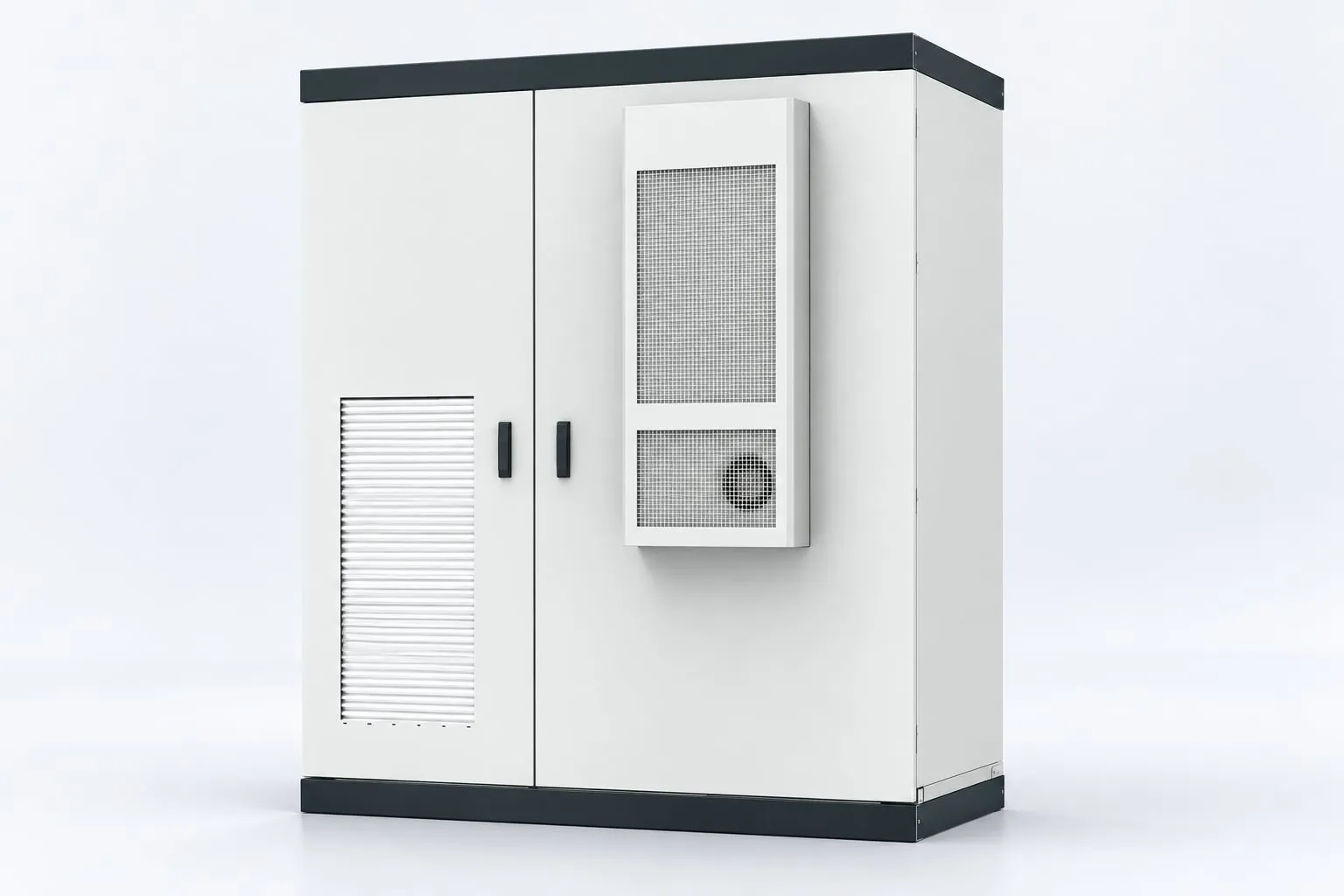
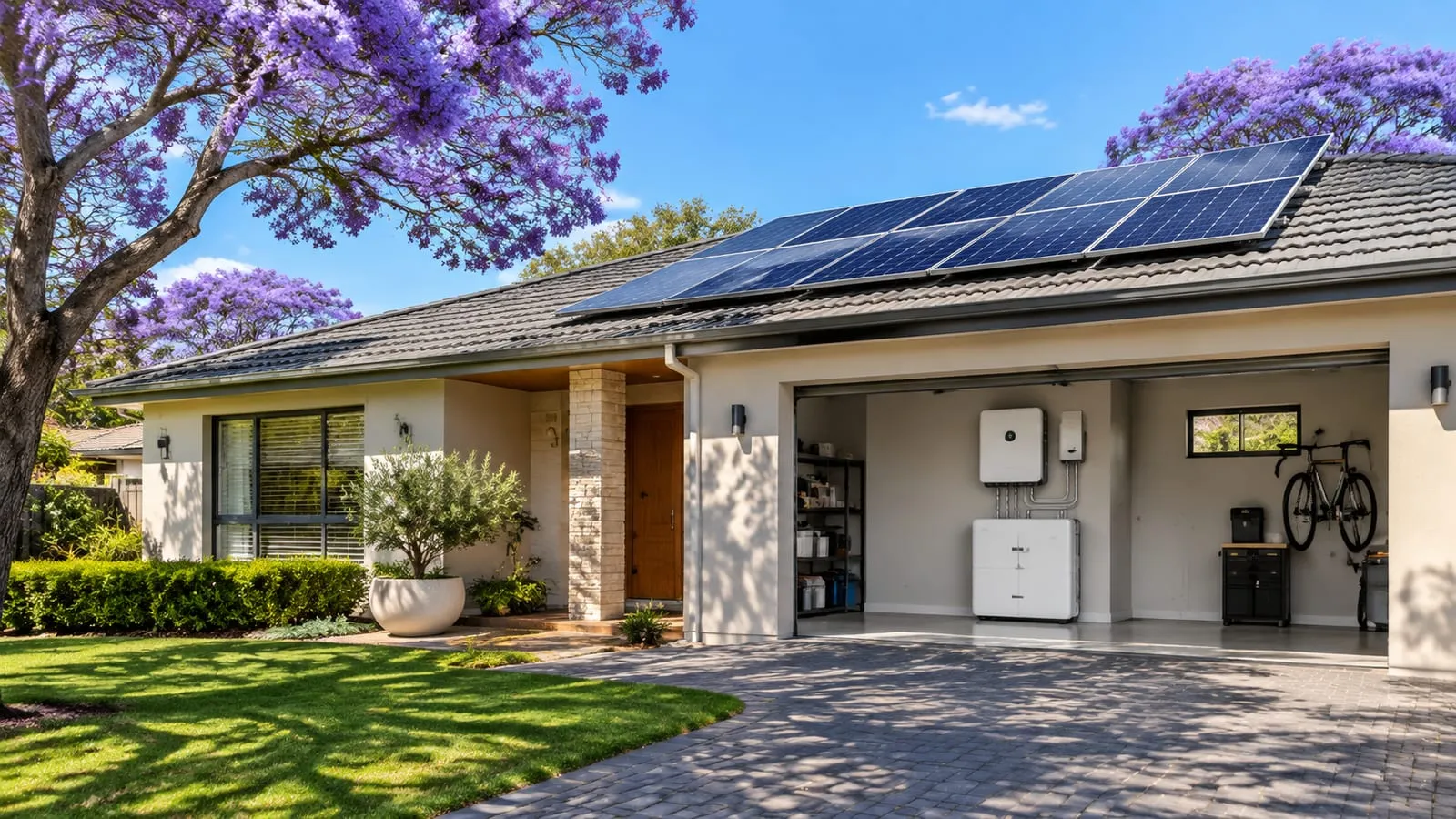
Short answer: In South Africa, solar plus batteries is mainly a backup-power and bill-control purchase. Homes and small businesses use hybrid inverters with 5–15 kWh LiFePO4 batteries; larger sites add rooftop PV with commercial battery cabinets to keep production running and reduce peak demand. The grid is 230 V, 50 Hz. Installers, distributors and EPC contractors are our usual customers here.
Typical projects
| Segment | System | Note |
|---|---|---|
| Home backup | Single-phase hybrid inverter 3–5 kW, 5–15 kWh battery, PV | Essential-loads circuit: lights, fridge, router, TV |
| Larger home / small farm | 8–12 kW hybrid, 15–30 kWh, PV | Pumps and workshops need surge margin |
| Shops and offices | Three-phase hybrid 15–30 kW with battery | Keep tills, servers and refrigeration on |
| Factories and warehouses | Rooftop PV with 100 kWh+ storage cabinets | Backup and demand shifting; see C&I storage |
| Farms | PV with batteries or solar-diesel hybrid | Irrigation, cold rooms |
Design points
- Backup first: decide which circuits stay on during an outage and size the battery for the stage of outage you expect.
- Surge: pumps, compressors and air conditioners need extra inverter headroom.
- Compliance: installations normally need a registered installer and a certificate of compliance; the grid operator or municipality may require registration of the system. Confirm current rules locally.
- Product approvals: ask your installer or importer which approvals the inverter and battery need locally.
Estimate capacity with the battery backup calculator.
Shipping
- Main sea gateways: Durban and Cape Town.
- Lithium batteries travel as class 9 dangerous goods; we supply the UN38.3 summary and SDS.
- Allow for customs clearing and inland transport to Gauteng or other provinces.
A worked example: a four-bedroom house
Backup for load-shedding stages that cut power for a few hours at a time, with the house on a single-phase supply.
| Circuit on backup | Power | Typical hours |
|---|---|---|
| Lights (LED) | 0.2 kW | 5 |
| Fridge + freezer | 0.3 kW average | 5 |
| Wi-Fi, TV, laptops | 0.3 kW | 5 |
| Fans and a gate motor | 0.2 kW average | 5 |
| Borehole pump | 1 kW | 0.5 |
| Energy per outage window | about 5 kWh |
Two outage windows a day need roughly 10 kWh; with 90 % depth of discharge and inverter losses that points to a 10–15 kWh battery and a 5 kVA hybrid inverter. A geyser (water heater) or an oven on backup would add several kWh — most owners leave them off the backup circuit.
What installers and distributors ask us
- Which batteries are on the inverter’s compatibility list? We provide the list per inverter model.
- Is the communication cable included? Yes for approved pairs; confirm per order.
- Can the system be added to later? Choose a battery and inverter that allow parallel units.
- What documentation do you supply? Datasheet, UN38.3 summary, certificates of the model, and a quick-start guide.
Practical points
- Compliance: installations normally need a registered installer and the correct certificate; some municipalities require the system to be registered. Confirm what applies to the site.
- Generator interaction: if there is already a generator, plan the transfer arrangement and the charging priority.
- Insurance: some insurers ask about installer credentials and batteries’ certificates — keep the paperwork.
- Space and ventilation: wall units in a garage need clearance and a cool place; heat shortens life.
For businesses
Shops, small offices and factories often combine rooftop PV with a commercial battery: during a cut the battery carries tills, lighting and refrigeration, and in the afternoon it can shave a demand peak. See peak shaving explained.
Related: how many batteries for a 5 kVA inverter and the Zimbabwe and Zambia guides for neighbouring markets.
Paperwork the installer will ask for
Provide datasheets, certificates, the compatibility list, the commissioning guide and warranty text. Keep the serial numbers of the inverter and batteries with the installation file. Some insurers and municipalities ask for these documents, so having them ready avoids delays.
What to send
- Monthly electricity bill or consumption data.
- Critical-load list and desired hours of backup.
- Roof orientation and area.
- Phase (single or three-phase) and distribution board photos.
Contact us or read our home solar battery system guide.