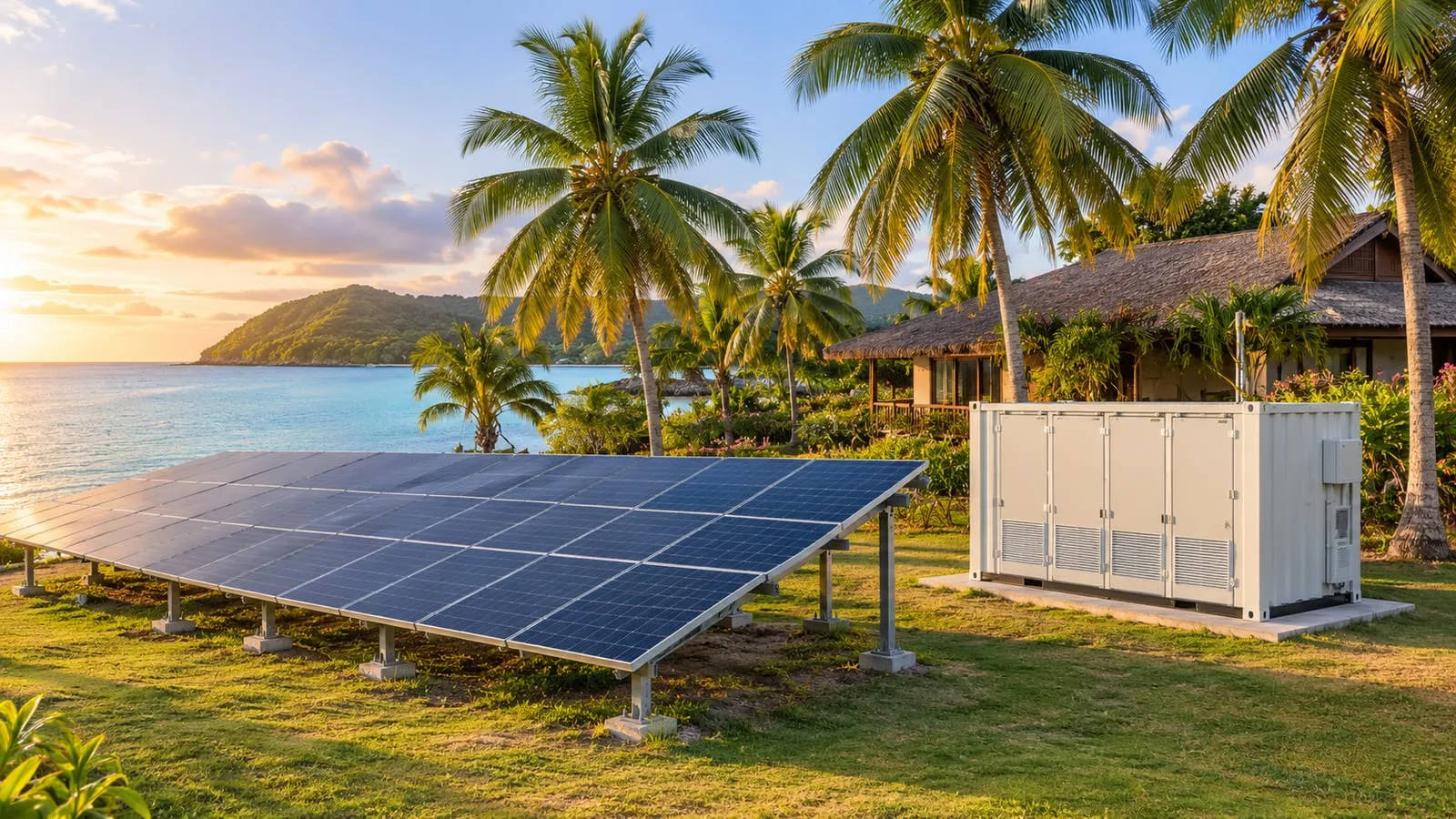
Short answer: In the Philippines, solar with batteries serves three needs: lower bills where electricity is expensive, backup during typhoon outages, and power for islands and remote sites that run on diesel. The grid is nominally 230 V at 60 Hz, so confirm the inverter’s output spec. Humidity, salt air and typhoon winds shape the design more than in dry markets.
Typical projects
| Segment | System | Design note |
|---|---|---|
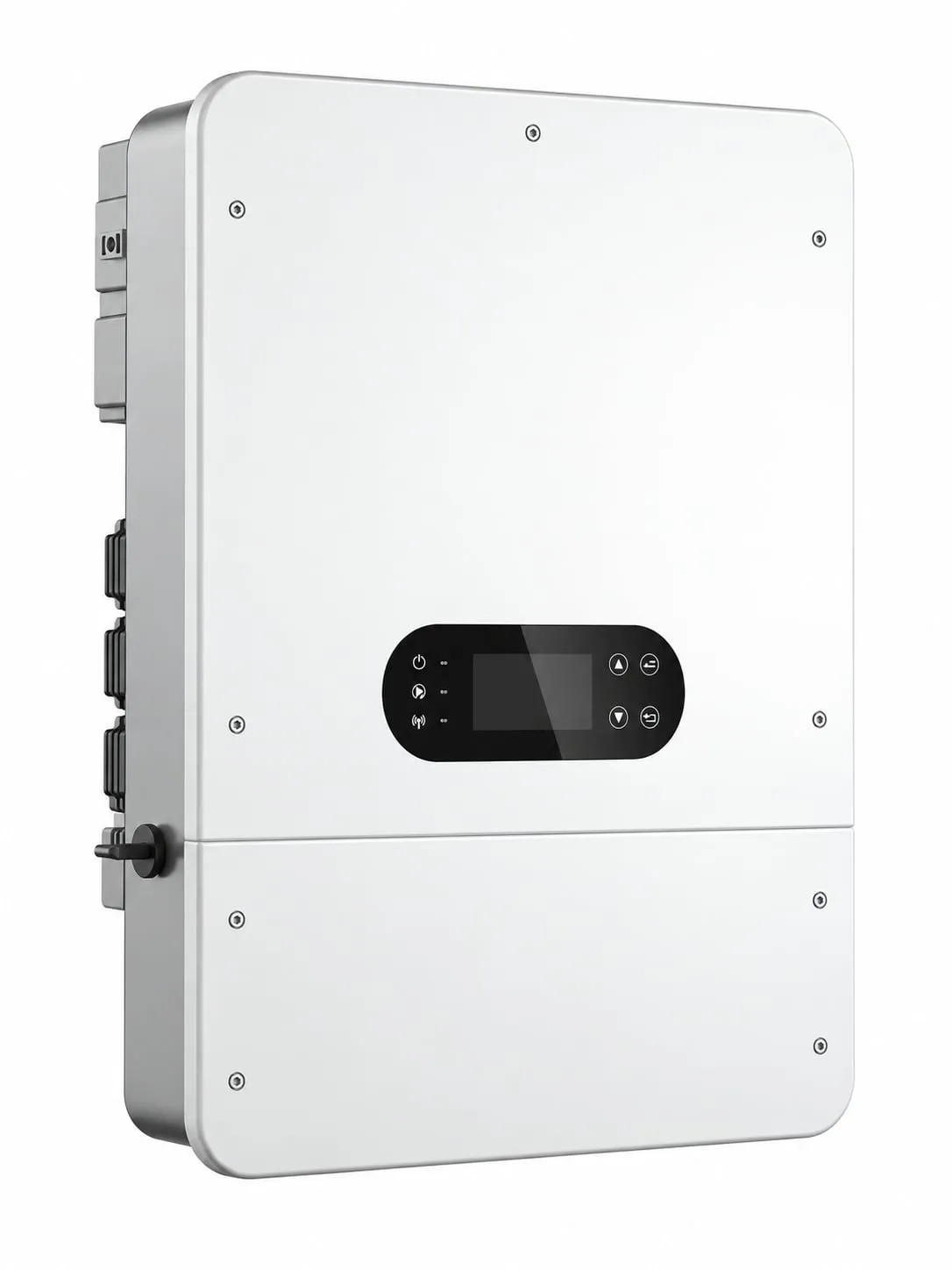
| Homes and shops | Hybrid inverter + 5–15 kWh LiFePO4 + PV | Backup during outages, evening use |
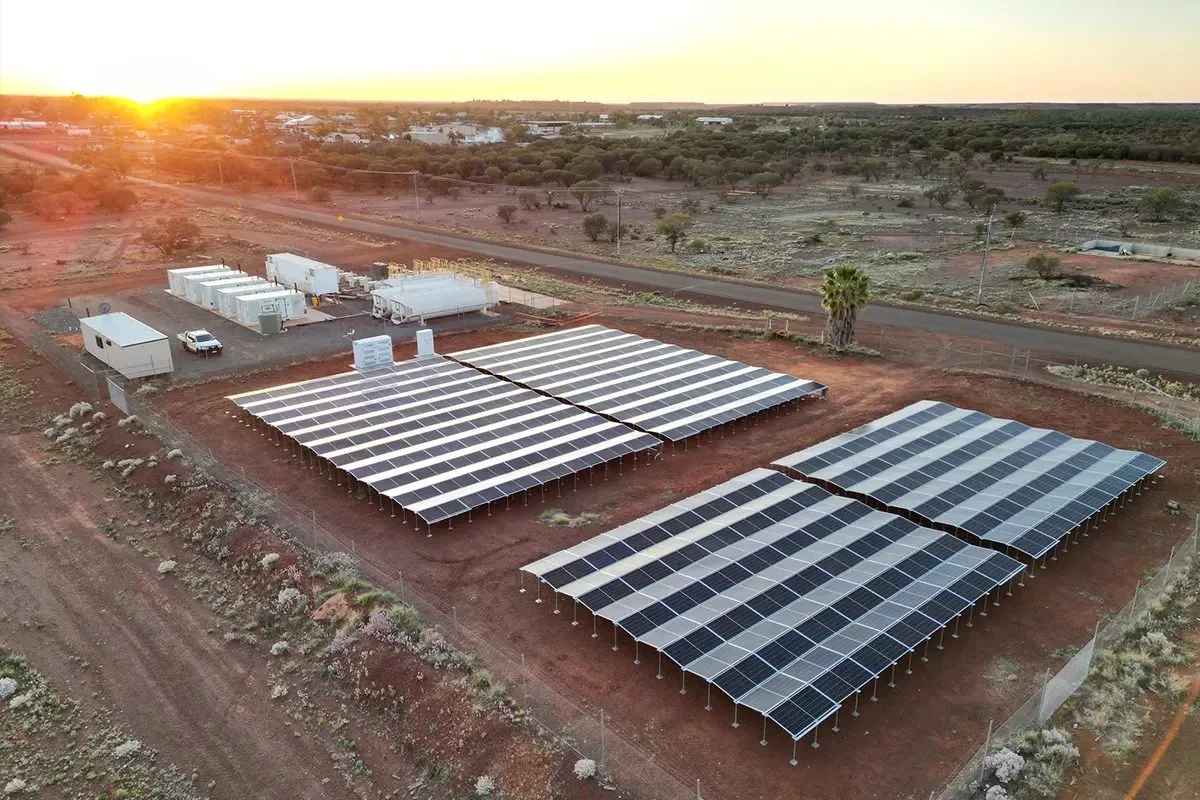
| Resorts and island businesses | Solar + storage + existing diesel | Fuel logistics are costly; see solar-diesel hybrid |
| Farms, fisheries, cold storage | PV with storage or hybrid | Pumps, chillers, freezers need surge margin |
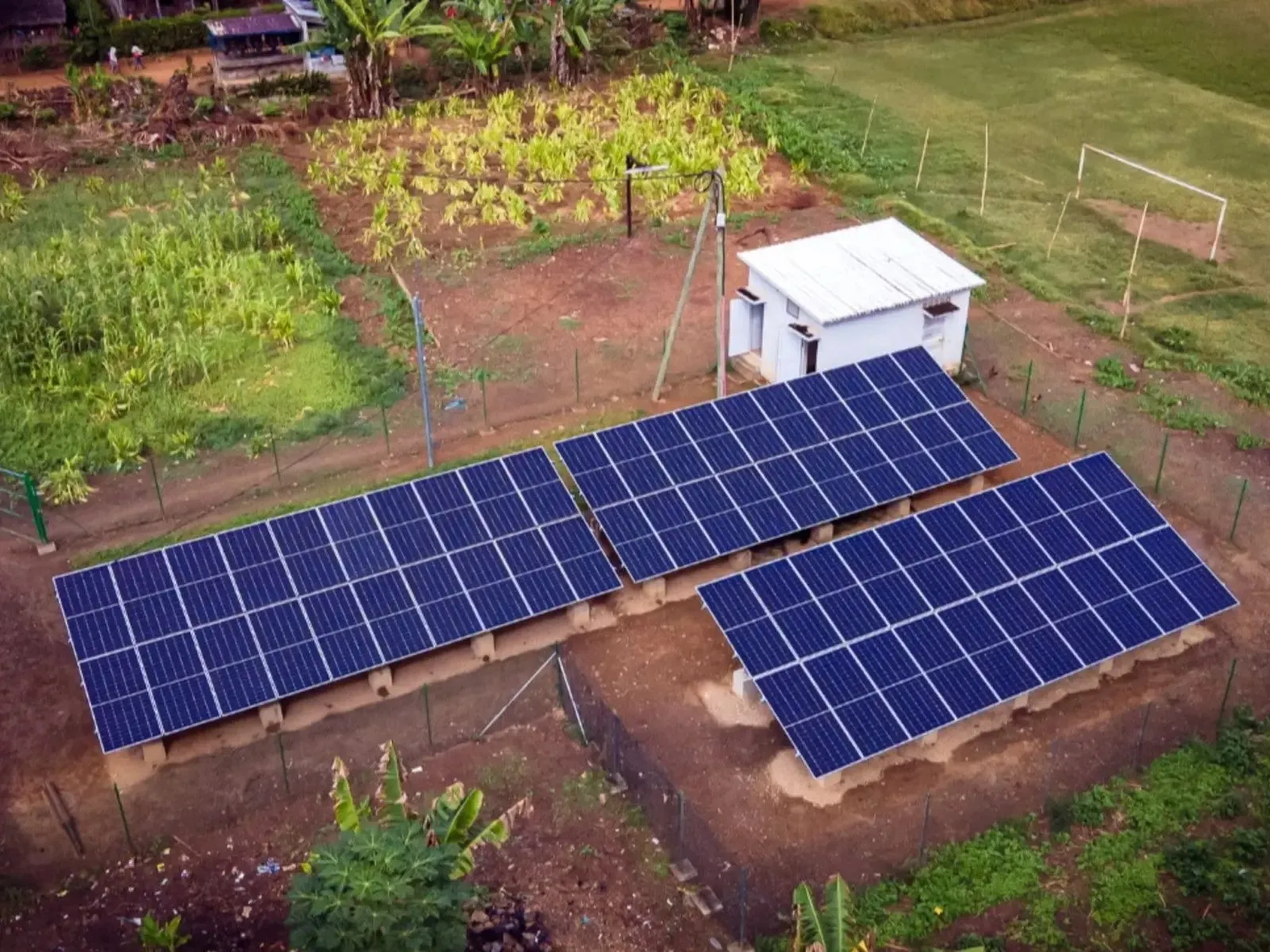
| Remote communities and telecom | Off-grid solar station | Battery autonomy and corrosion protection |
Design points for the climate
- Salt and humidity: choose IP-rated enclosures, corrosion-resistant fasteners and coated or galvanised structures; keep batteries indoors.
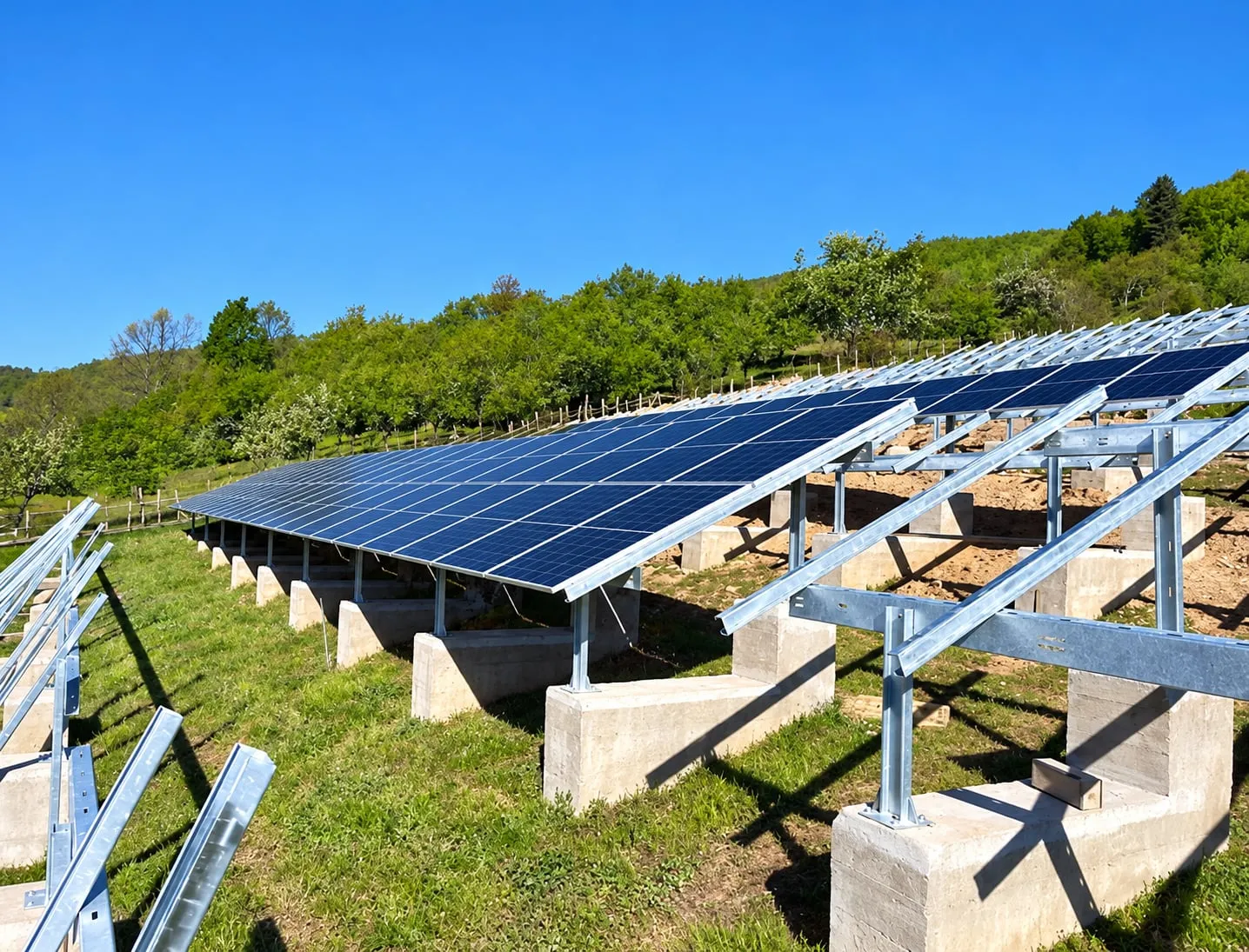
- Typhoons: structure and anchoring must be rated for local wind loads; confirm with a local structural engineer.
- 60 Hz: check inverter output frequency and nominal voltage for the local grid before ordering.
- Net metering: the country has a net-metering programme for renewable energy users with rules set by the regulator and utilities; confirm current rules and what a hybrid system must install before applying.
Shipping
- Main ports: Manila (North and South Harbor) and Cebu; check your forwarder.
- Lithium batteries ship as class 9 dangerous goods with UN38.3 summary and SDS.
- Allow time for customs and inland sea transport to the islands.
A worked example: a small island resort
Twelve cottages and a restaurant run on diesel generators. The owner wants to cut fuel without risking guests’ comfort.
| Item | Value |
|---|---|
| Average load | 18 kW, peak 40 kW (evening) |
| Daily energy | about 430 kWh |
| Fuel today | about 0.3 L per kWh → roughly 130 L per day |
| Solar array | 60 kW ground-mount on cleared land |
| Battery | 100 kWh LiFePO4 cabinet |
| Generator role | backup and peak support |
Solar delivers perhaps 250–300 kWh a day in good weather; the battery shifts some into the evening and holds generator reserve. The generator then runs far fewer hours, and at better load. The real numbers need the resort’s load profile — send it and we model it.
Typhoon and salt checklist
- Structure: wind rating of the mounting and foundations for the local wind zone, confirmed by a local engineer.
- Fasteners and coatings: stainless or hot-dip galvanised parts; aluminium rails near the coast.
- Enclosures: IP65 outdoor cabinets with sun shields; batteries indoors where possible.
- Cabling: UV-resistant cable and tidy routing; no loose cables a storm can lift.
- Lightning: earthing and surge protection are not optional in tropical storms.
- Flood level: raise cabinets above expected water levels.
Island logistics
Plan the chain, not only the sea freight:
- Factory test and export packing with strong cartons and strapped pallets.
- Sea freight to Manila or Cebu, then clearing.
- Inter-island transport by smaller vessels — more handling means more risk; ask for reinforced packing.
- Landing and offloading at a small pier; check the weight of the heaviest item.
- Commissioning by a local team with remote support.
60 Hz reminders
- Specify output frequency and voltage on the order; some inverters ship configured for 50 Hz.
- Check motor-driven loads (pumps, compressors) for 60 Hz ratings.
- Keep labels and manuals aligned with the specification you ordered.
See the Southeast Asia overview, the Indonesia guide and solar-diesel hybrid savings.
Contract and insurance notes
Specify the wind design basis, the corrosion protection class and the packing standard in the contract. Ask the forwarder for marine insurance covering the inter-island legs and keep photographs of the cargo before and after each leg. A short claims procedure written into the order saves weeks if a pallet is damaged.
What to send for a quote
- Monthly bill or generator fuel log.
- Critical loads and hours of backup.
- Roof or ground area, wind exposure and distance from the sea.
- Grid frequency/voltage at the site.
Contact us for a configuration, or try the diesel cost calculator.